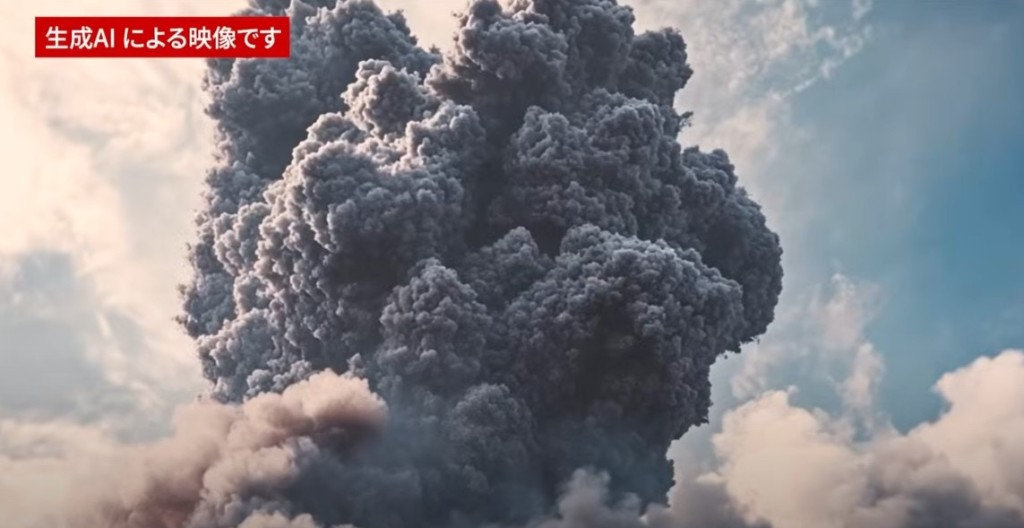
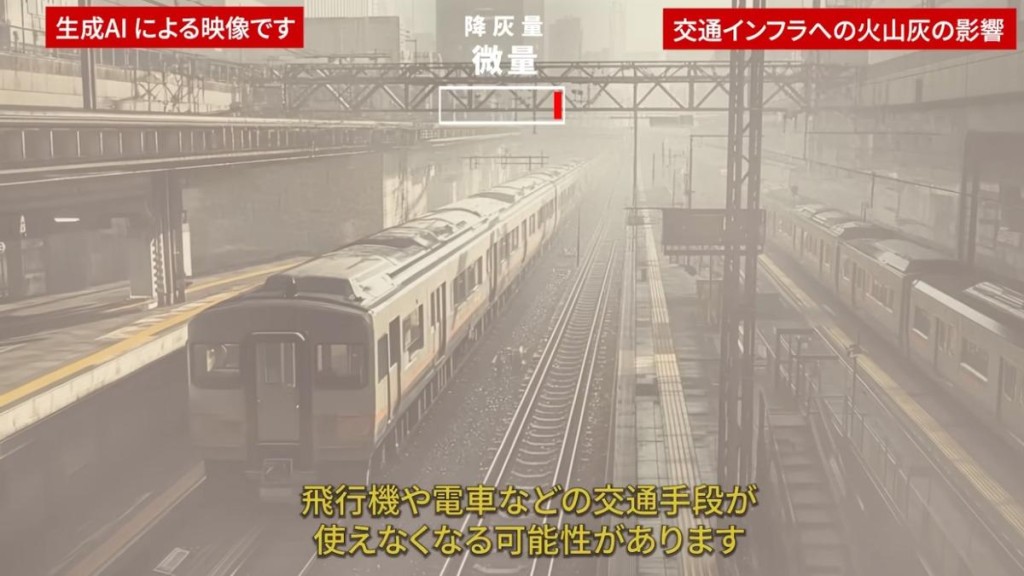
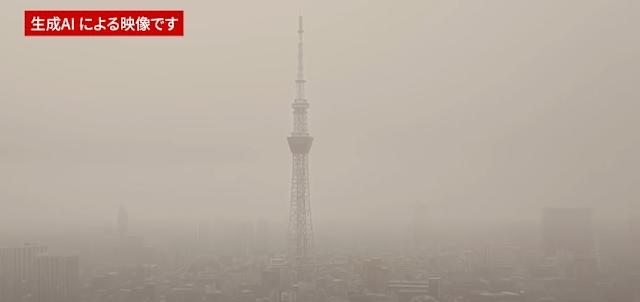
The Japanese government released an AI-generated simulation video on Tuesday, the country’s Volcanic Disaster Prevention Day, depicting the potential widespread disruption that could occur in Tokyo in the event of a major eruption of Mount Fuji.
The video highlights how volcanic ash could paralyze infrastructure and daily life in the metropolitan area.
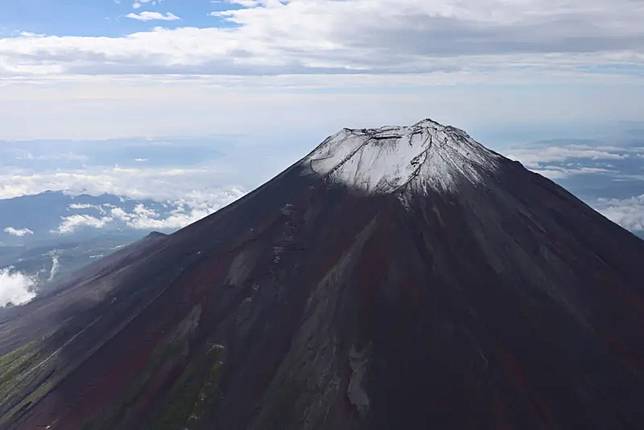
Mount Fuji, an active volcano standing at 3,776 meters, last erupted in 1707.
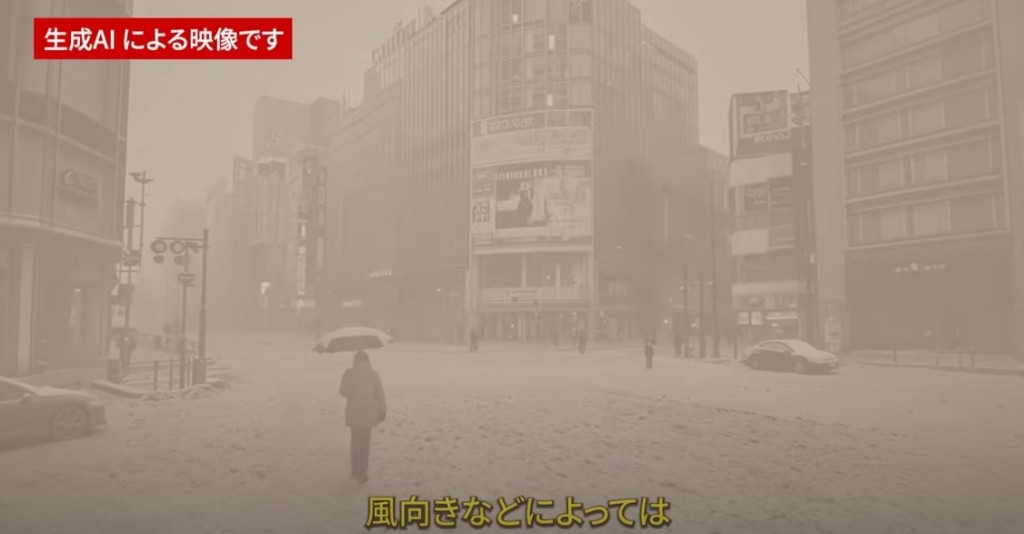
Japanese authorities warned that if an eruption on the scale of the 1707 Hoei eruption were to occur today, areas such as JR Shinjuku Station in Tokyo could be covered with more than 5 centimeters of volcanic ash.
This would likely cause severe disruptions, including large-scale power outages, communication failures, water shortages, and suspension of rail services.
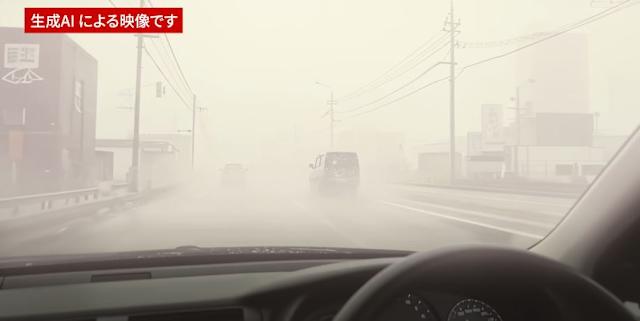
The simulation video, published by the Cabinet Office, shows skies over Shinjuku darkened by thick ash, with vehicles forced to turn on their headlights and move cautiously through intersections.
The fine, sharp particles in volcanic ash can cause serious health issues, such as eye and respiratory irritation, coughing, asthma, and inflammation.
The video also illustrates potential damage under rainy conditions—wooden houses could collapse instantly under more than 30 centimeters of ash, while ash accumulation exceeding 10 centimeters would render two-wheel drive vehicles unusable.
This could lead to severe logistical challenges, including disrupted food deliveries and suspended operations of stores.
Toshitsugu Fujii, Professor Emeritus at the University of Tokyo and former chair of the Coordinating Committee for the Prediction of Volcanic Eruptions (CCPVE), participated in the production of the video.
He noted that Mount Fuji has historically erupted approximately every 30 years, making its current 300-year dormancy unusual. Fujii emphasized that as a young and active volcano, Mount Fuji will inevitably erupt again.
A representative from the Cabinet Office expressed hope that the video would help the public better understand the risks of a large-scale eruption and visualize its potential impact on daily life, especially since volcanic ash disasters are less frequent than heavy rain or earthquakes.