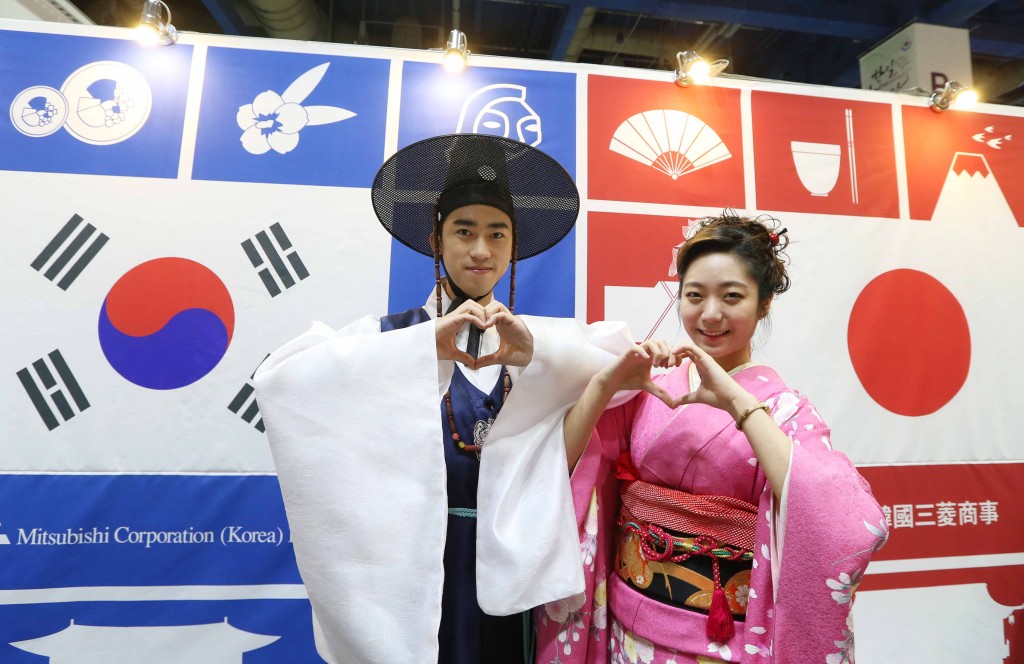
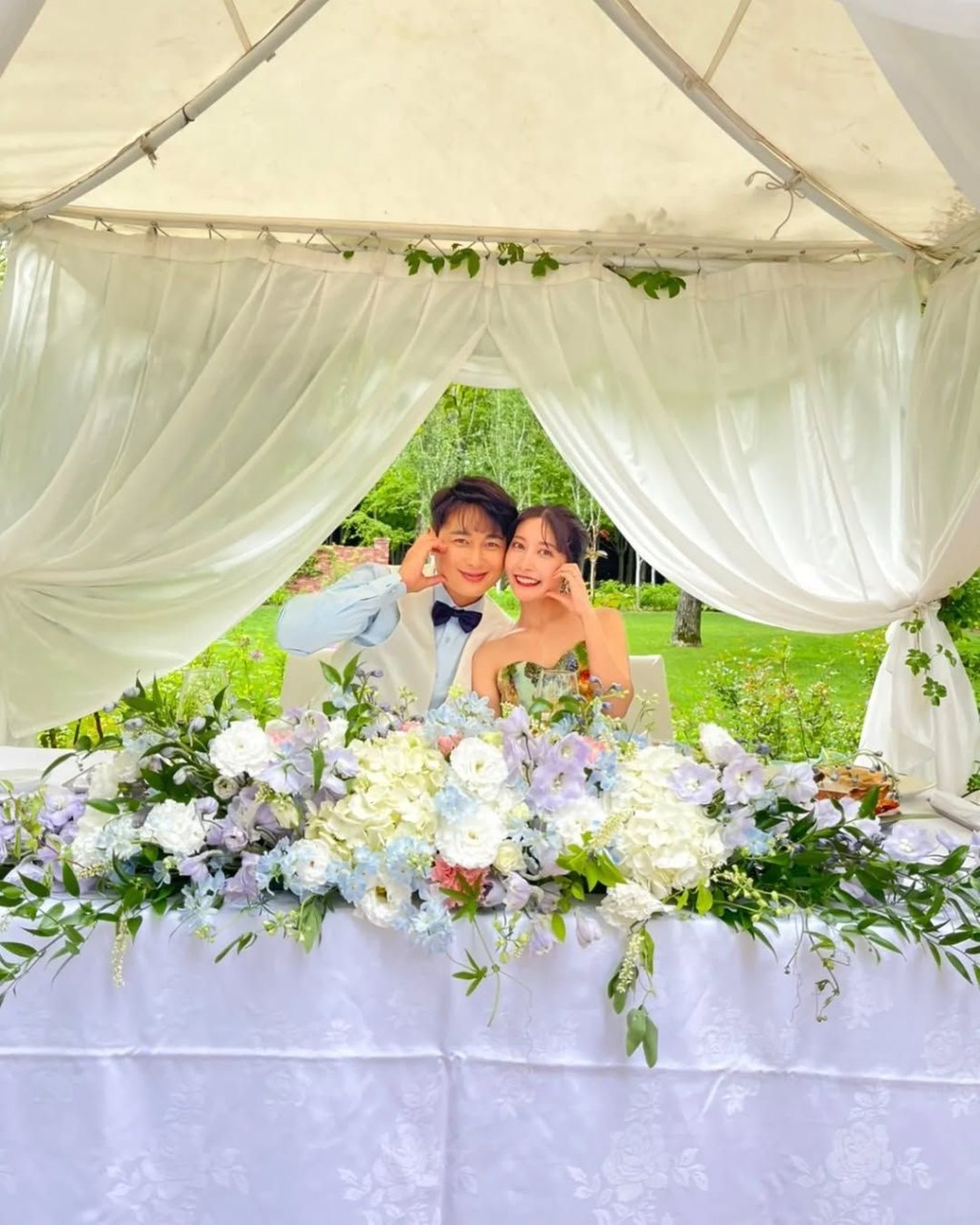
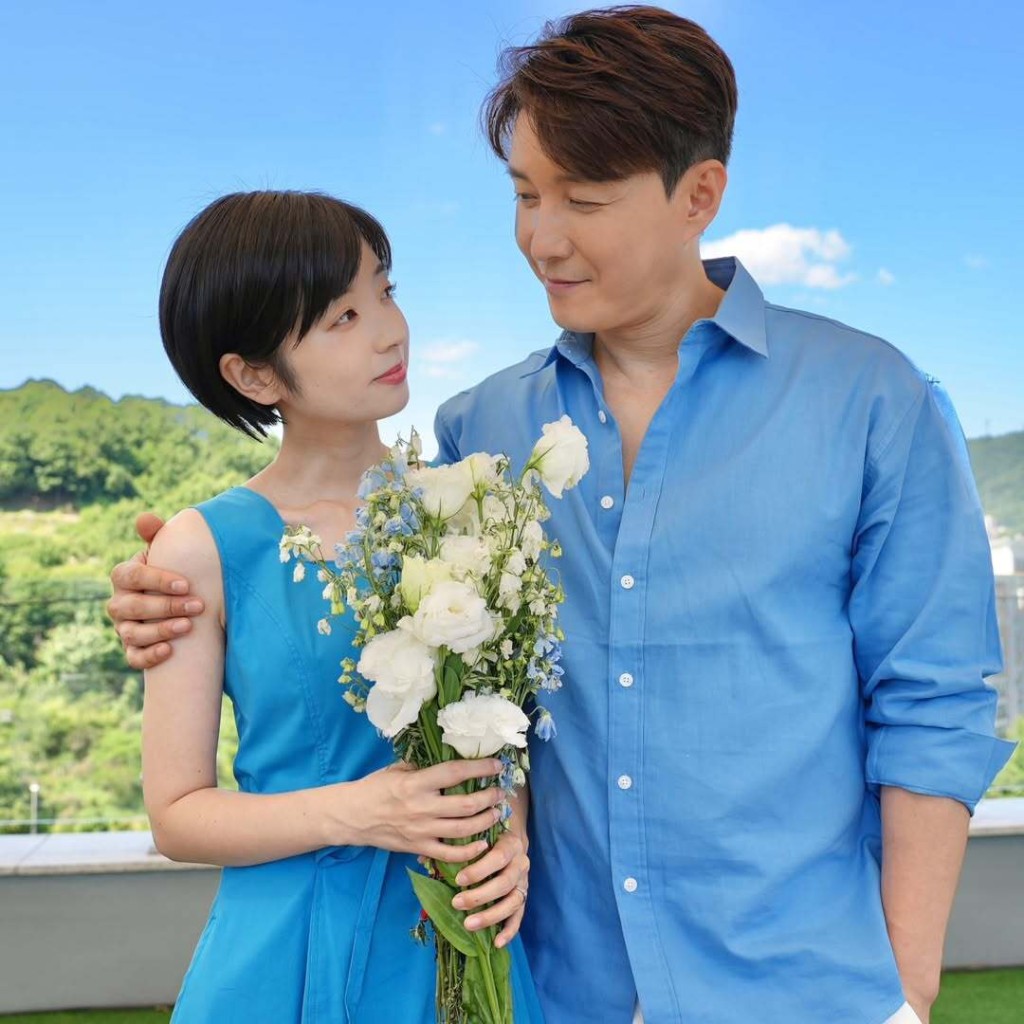
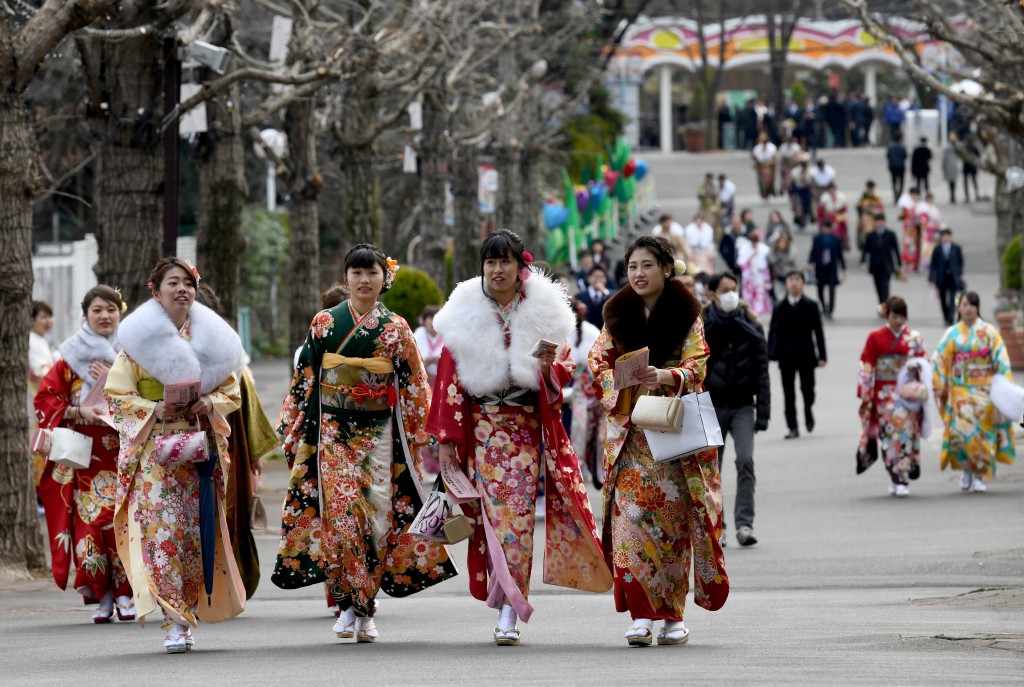
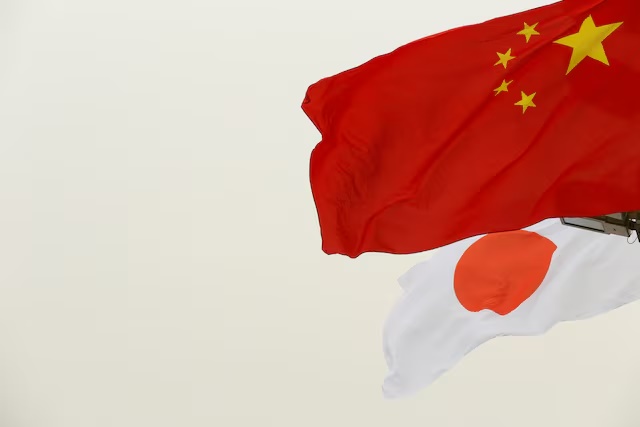
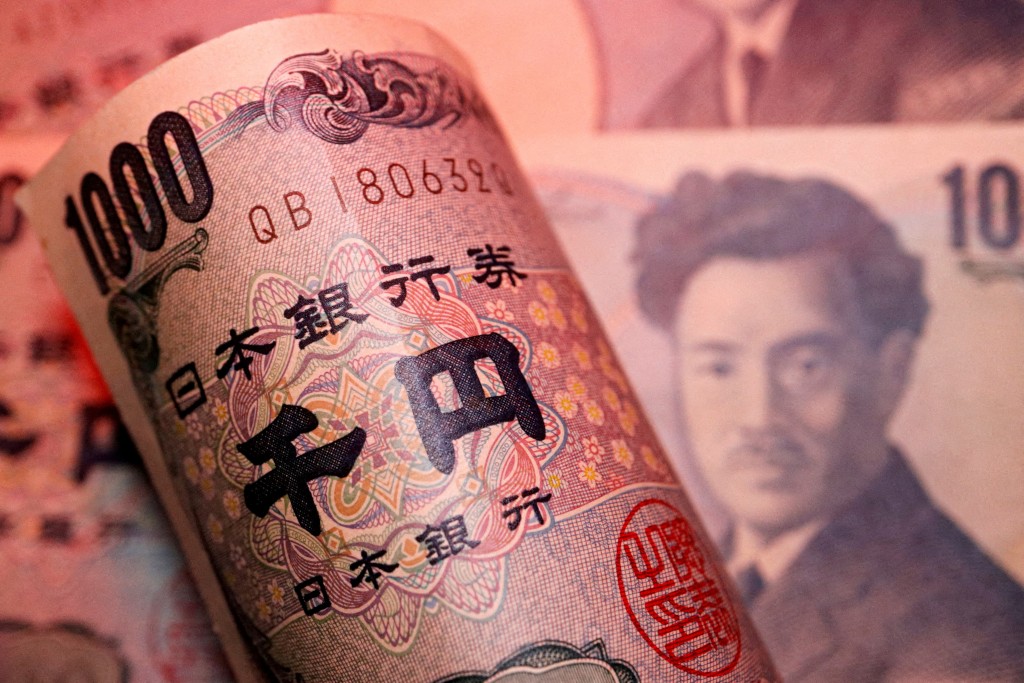
With love blossoming across borders, a growing trend has emerged of South Korean men slipping rings on the fingers of Japanese brides, marking a record-breaking 40 percent surge in cross-cultural marriages over the past decade.
The increasing prevalence of cross-border marriages has not only contributed to a rise in air travel but has also fostered closer ties between South Korea and Japan.
According to East Week, a sister publication of The Standard, two South Korea-Japan flight routes ranked among the top ten busiest global routes, accommodating nearly 790,000 passengers in June.
Meanwhile, the latest statistics from Statistics Korea revealed over 1,300 marriages between Korean and Japanese individuals last year, while cross-border marriages with other nations such as China, Vietnam, and the Philippines have seen a decline since 2019.
Notably, the number of Korean men marrying Japanese women reached 1,100, marking a significant 40 percent increase from the previous year and setting a new high in nearly a decade.
However, only 147 South Korean women are married to Japanese men, representing a decline of over 80 percent from a decade ago.
Sassy girlfriend being the cause?
Some analysts suggested that this trend is rooted in traditional education, where South Korean men are raised to respect women, exhibiting care and courtesy in their interactions.
However, it is stated that some South Korean women take the behavior for granted, leading to a lack of appreciation and occasional disdain, causing dissatisfaction among South Korean men.
Conversely, Japanese women have been affectionately referred to as "cherry blossoms" on South Korean online platforms, highlighting their nurturing and caring nature.
Several online users even praise them for being willing to express gratitude over small gestures like holding the door open.
To overcome language barriers between Japan and South Korea, Japanese women have shown a willingness to learn Korean for their partners, with some even willing to leave their homeland and relocate to South Korea after marriage, making them an ideal wife among South Korean men.
Fantasies on Japanese wives
Being exposed to Japanese adult content from a young age, a local online media outlet survey has revealed that several South Korean husbands have fantasies about Japanese wives as their mentors in intimate relationships.
With similar cultural backgrounds between Japan and South Korea, governments in both countries are encouraging marriage and childbirth through favorable policies to address the severe population decline.
Favourable policies for the cross-border union
It is reported that the South Korean government offers housing subsidies of up to around HK$150,000 for cross-border married couples, with priority enrollment for their children, including preferential access to international schools.
As for Japan, the government has relaxed certain restrictions on the visa process for cross-border marriages in 2023, significantly shortening the waiting period for spouses' visas.
Additionally, the Japanese government provides HK$110,000 in childcare subsidies to families that have given birth, regardless of the location of the settlement.
Students under the age of 18, even if studying abroad, are also eligible to receive around HK$600 in monthly living allowances.
Narrowing economic disparities between nations
In addition, reports indicated that the closing income gap between South Korean and Japanese men was another factor for Japanese women choosing over Japanese husbands.
According to reports, South Korea's economy has surged since the mid-2010s, rapidly narrowing the economic gap with Japan.
It is reported that South Korea's GDP per capita exceeded HK$280,000 last year, surpassing that of Japan for two consecutive years.
An analysis by Japan suggested that the income gap between single South Korean and Japanese men has narrowed, making South Korean men a more attractive option as husbands.
Additionally, there is a common societal belief that South Korean men tend to be more family-oriented post-marriage, generally willing to offer financial power to their partner, giving Japanese women a sense of security.
A professor at Hongik University in South Korea noted that approximately 60 percent of Japanese women who move to South Korea for marriage primarily do so for job or economic reasons.
It is stated that another 30 percent are drawn to life in South Korea, representing that "economic benefits" may play a role in the choosing of a partner among Japanese women.
Apart from financial security, Japanese women's admiration for South Korean husbands was also fueled by the popular South Korean dramas from the early 2000s, ranging from "Autumn in My Heart" and "Jewel in the Palace "(also known as "Daw Jang Geum", where the men were portrayed as passionate and romantic figures.
Under the influence of South Korean dramas, it is reported that Japanese women are learning Korean, forming support groups, and even traveling to South Korea to attend idol gatherings after marriage. This fosters cultural identification, making Japanese families more receptive to having South Korean sons-in-law, which catalyzes cross-border marriages.
"Cross-border marriage" economy?
Meanwhile, numerous marriage agencies catering to South Korea-Japan pairings have emerged, offering comprehensive services such as wedding planning, language translations, and courses.
These agencies are often co-founded by Japanese brides and South Korean husbands, providing practical advice based on their own experiences to newcomers.
Reports indicated that the service often targets South Korean "elite bachelors," with some agencies charging membership fees close to HK$100,000, while Japanese women can join for free.
While Japanese and South Korean couples typically dated for several years merely on dating apps, the agencies reported an increasing number of Japanese women are deciding to tie the knot within a few months of meeting their partners through their service, immediately relocating to South Korea, reflecting a widespread desire among Japanese women for marriage.
(Phoebe Poon)