The United States President Donald Trump said the US military launched a "very successful attack" Sunday on three Iranian nuclear sites including the Fordo uranium enrichment plant, as Washington joined Israel's air campaign against Tehran.
"We have completed our very successful attack on the three Nuclear sites in Iran, including Fordow, Natanz, and Esfahan," Trump said in a post on his Truth Social platform.
FORDOW
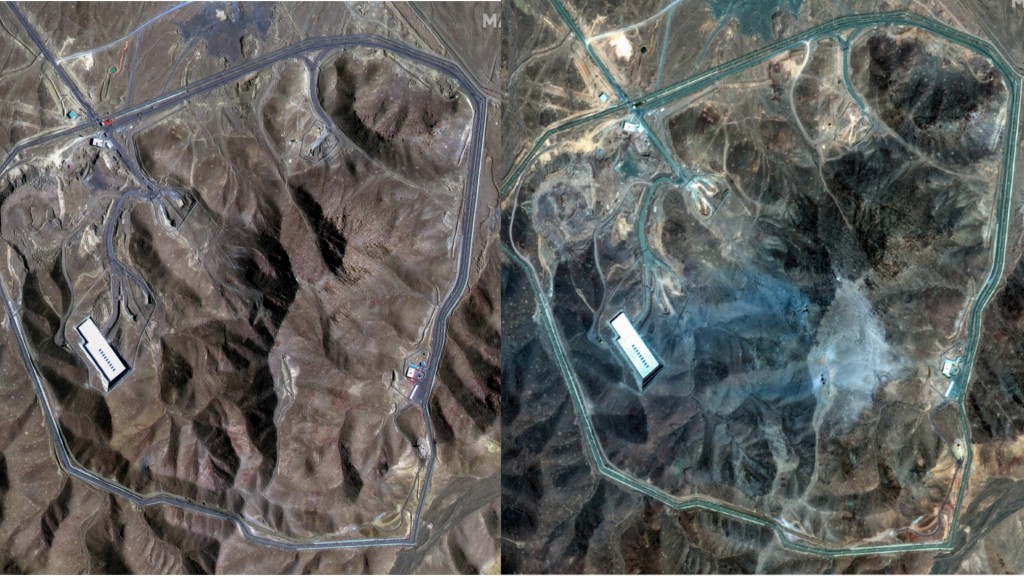
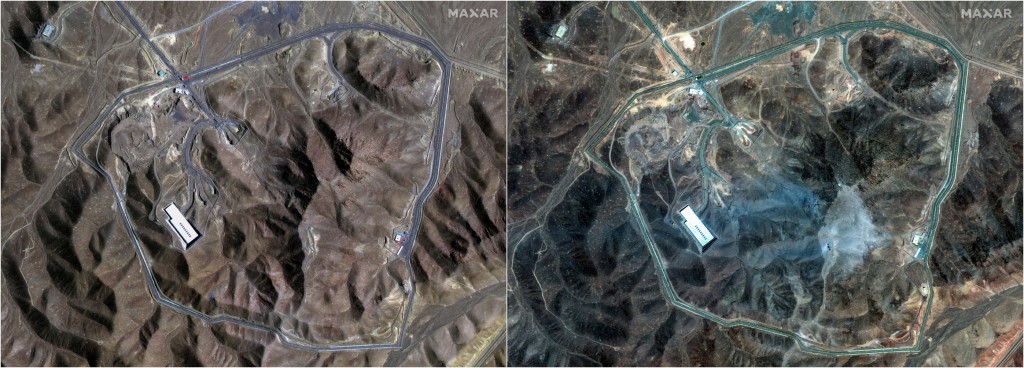
A combination picture shows satellite images over Fordow, before and after the U.S. struck the underground nuclear facility, near Qom, Iran, June 2, 2025 (L) and June 22, 2025. (Reuters)
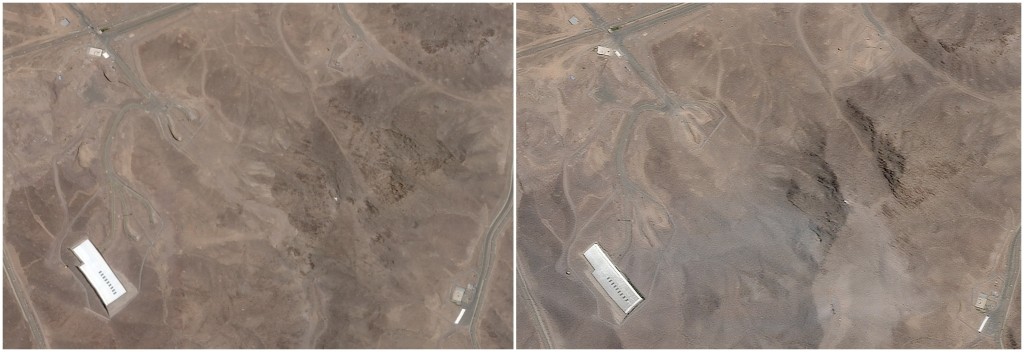
A combination picture shows satellite images over Fordow underground complex, before and after the U.S. struck the underground nuclear facility, near Qom, Iran, June 20, 2025 (L) and June 22, 2025. (Reuters)
On the opposite side of Qom, Fordow is an enrichment site dug into a mountain and therefore probably better protected from potential bombardment than the FEP.
The 2015 deal with major powers did not allow Iran to enrich at Fordow at all. It now has around 2,000 centrifuges operating there, most of them advanced IR-6 machines, of which up to 350 are enriching to up to 60 percent.
The United States, Britain and France announced in 2009 that Iran had been secretly building Fordow for years and had failed to inform the IAEA. U.S. President Barack Obama said then: "The size and configuration of this facility is inconsistent with a peaceful programme."
NATANZ
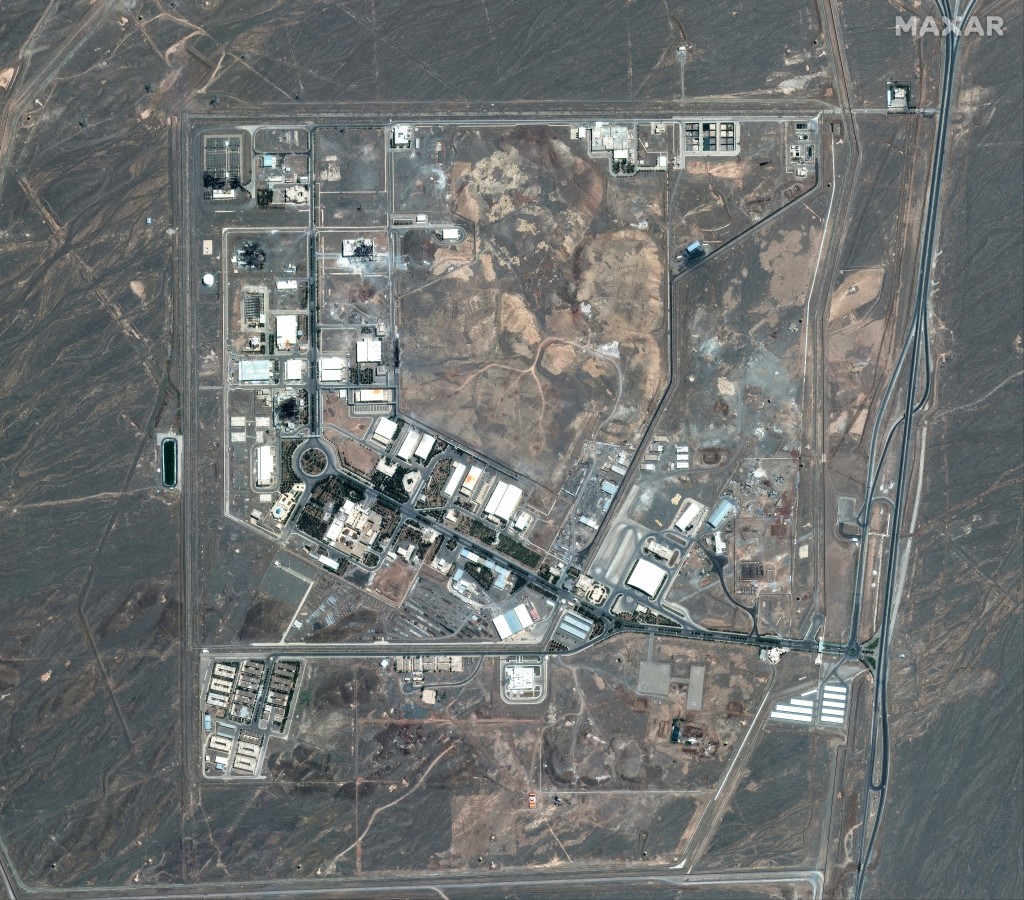
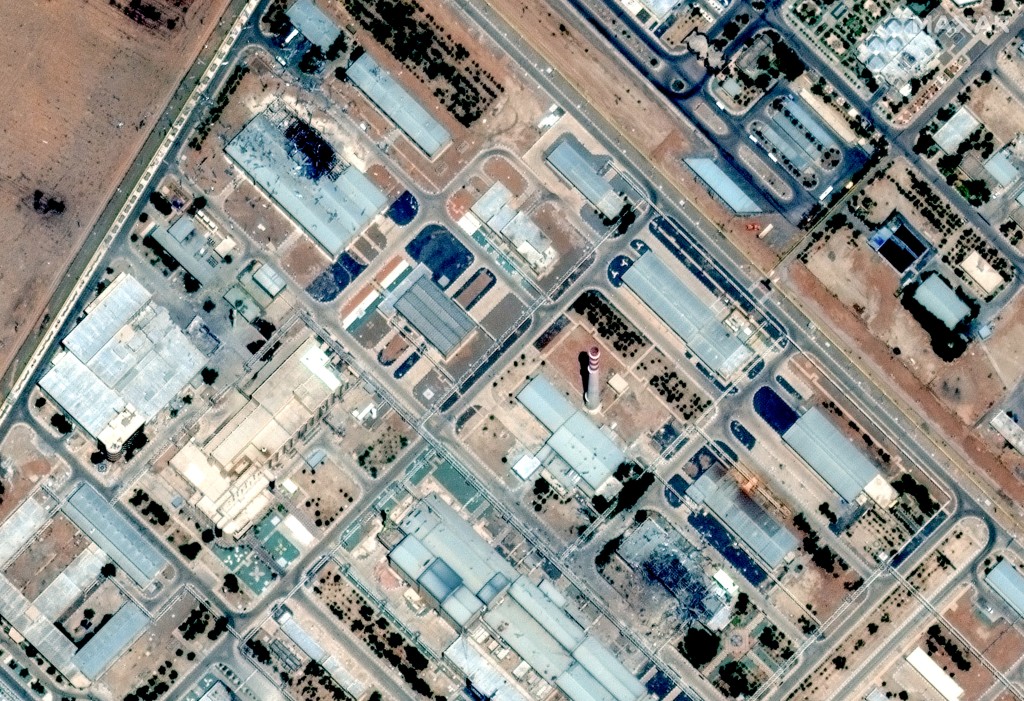
A satellite image shows the Natanz nuclear facility in Iran after airstrike in Iran in this handout image dated June 15, 2025. (Reuters)
A complex at the heart of Iran's enrichment programme on a plain abutting mountains outside the Shi'ite Muslim holy city of Qom, south of Tehran. Natanz houses facilities including two enrichment plants: the vast, underground Fuel Enrichment Plant (FEP) and the above-ground Pilot Fuel Enrichment Plant (PFEP).
An exiled Iranian opposition group revealed in 2002 that Iran was secretly building Natanz, igniting a diplomatic standoff between the West and Iran over its nuclear intentions that continues today.
The FEP was built for enrichment on a commercial scale, able to house 50,000 centrifuges. Around 16,000 centrifuges are currently installed there, roughly 13,000 of which are in operation, refining uranium to up to 5 percent purity.
Diplomats with knowledge of Natanz describe the FEP as being about three floors below ground. There has long been debate about how much damage Israeli airstrikes could do to it.
Damage has been done to centrifuges at the FEP by other means, including an explosion and power cut in April 2021 that Iran said was an attack by Israel.
The above-ground PFEP houses only hundreds of centrifuges but Iran is enriching to up to 60 percent purity there.
ISFAHAN
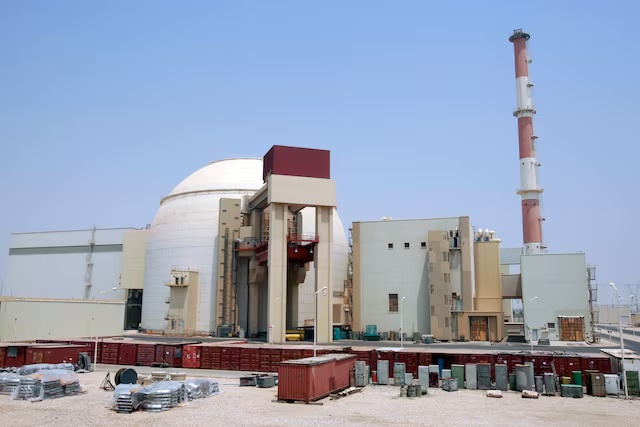
A satellite image shows the Isfahan enrichment facility after strikes in Iran in this handout image dated June 14, 2025. (Reuters)
Iran has a large nuclear technology centre on the outskirts of Isfahan, its second largest city.
It includes the Fuel Plate Fabrication Plant (FPFP) and the uranium conversion facility (UCF) that can process uranium into the uranium hexafluoride that is fed into centrifuges.
Iran also stores enriched uranium at Isfahan, diplomats say.
There is equipment at Isfahan to make uranium metal, a process that is particularly proliferation-sensitive since it can be used to devise the core of a nuclear bomb.
The IAEA has said there are machines for making centrifuge parts at Isfahan, describing it in 2022 as a "new location".
(Reuters)
(Updated 9.14pm)