Read More







Nine-day rainy spell to hit HK with heavy showers and thunderstorms expected
11-06-2026 22:45 HKT

ICC chief hails Hong Kong as dispute resolution hub
08-06-2026 07:20 HKT


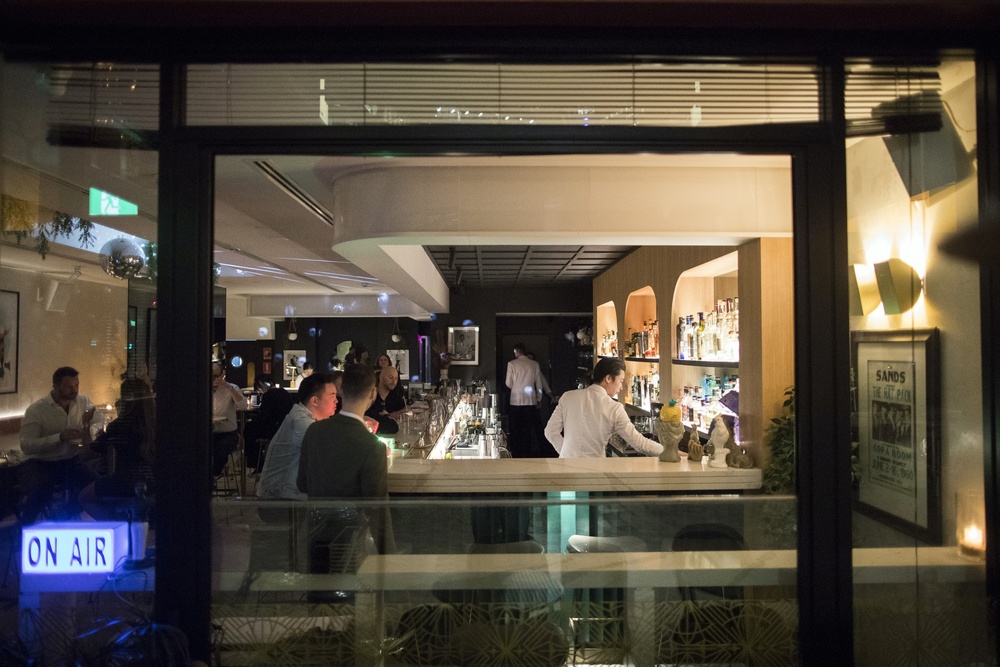
Australia’s biggest city is dusting off long-held plans to bring the harbor metropolis to life after the sun goes down from spending on live music, and art and culture, to making late-night shopping a reality.
Success means tackling ingrained social norms. As the sun rises, the city’s waterfront parks and beaches are abuzz with exercisers while officegoers are spoilt for choice for a flat white and smashed-avo toast in smart harbor-view settings.
At the other end of the day, shops start closing around 5 p.m. and restaurants a few hours after that, leaving few options for late-night creme brule or cheesecake. Take a jaunt midweek to Kings Cross, once a notorious party and red-light zone, and you’ll find quiet streets and half-empty pubs.
All this means Sydney has a far smaller night-time economy than other global cities, with the proportion of in-person transactions made at night less than half that of London or New York, data from payments and technology provider Square shows. Londoners make 33 percent of their in-person transactions between 7 p.m. and 4 a.m., versus just 14 percent in Sydney.
Before Covid-19 when the city’s vast beaches and world-class universities drew a steady flow of tourists and students and there was a regular flow of commuters, bolstering the night economy wasn’t high on the state government’s priority list. Now tourist numbers are well down and with work-from-home keeping people in the suburbs — most popular residential areas are some distance from the centre — authorities are determined to make visiting the city more attractive.
The man charged with developing a strategy to make it happen is Michael Rodrigues, the first 24-hour economy commissioner for New South Wales. This year, he’s got an initial pot of AUS$50 million ($33 million) to fund everything from art installations to live music to, in his words, “encourage people to get off the couch and leave the house.”
Key to his vision is encouraging more of a mix of activities to broaden the city’s nighttime appeal beyond alcohol, which has traditionally dominated nighttime activity.
Late night drinking is a sensitive issue for locals. In 2014, after a spate of alcohol-fueled violence, including the death of a teenager, the city introduced a series of laws that forced pubs to close to new patrons at 1.30 a.m. The regulations were repealed only last year.
To change what can happen in the city at night means amending rules. Among the tasks on Rodrigues’s to-do-list is working with councils to put in place the regulatory changes needed to allow late-trading. Grocery stores, which are typically all shuttered between midnight and 6 a.m., are a particular focus to improve options for shift workers like bus drivers or nurses.
“Why should you, because of the hours you choose to work, be prohibited from being able to buy a bag of onions at 3 a.m.?” Rodrigues said in an interview. “That’s one of the milestones that led to this discussion around night-time economy.”
Rodrigues’s position, created at the height of the Covid-19 pandemic, is the first of its kind in Australia. The issues to address differ sharply from similar posts in other global cities like Paris and New York, where his counterparts typically have to wrestle with problems like drugs and crime.
Amsterdam created one of the world’s first “night mayor” positions in 2014 to reconcile the city’s staid day-time Dr. Jekyll persona with its after-dark Mr. Hyde. Other cities including Paris, Zurich and New York followed, sometimes introducing patrols of volunteers to remind visitors to stay classy and quiet and relay directions on where to catch a cab.
Urban planner Nicole Gurran at the University of Sydney says ensuring the nighttime economy is not just about partying at bars is key to an inclusive city.
“You might be doing late night groceries. If you’re a night owl you might be going to the bookshop, you might be catching up with friends over dessert. You really do get a flourishing of activities for people to do after business hours if there’s a range of options,” Gurran said. “People who are used to international cities expect to see people on the streets.”
One of the ways that Rodrigues is trying to get people out is through the arts. His team has helped revive an abandoned cinema in Chinatown for “35 days of parties.” The music and art festival features a vibrant program of underground electronic music, big pop sing-a-longs, film screenings and yum cha — small portions of dim sum traditionally washed down with hot tea.
And during Vivid Sydney — a winter festival of lights and music — the government paid bars and restaurants to stay open until late. Because for all the ambitions for a varied night culture, data shows it is eating and drinking that typically drives night economies. After 7 p.m., about 80 percent of in-person spending in the cities analyzed by Square was generated by bars and restaurants.
Rodrigues is now running a similar experiment on the coolest street in Sydney, Enmore Road, where live music gigs every night are boosting footfalls for nearby restaurants and dessert bars. Shops selling party-wares, grunge outfits or books though still close by 5 p.m.
Change though won’t be easy. There are structural problems that make staying out late less attractive, such as thin nighttime public transport options, as well as new post-pandemic issues.
Key among them is finding people prepared to work the night shift. On job portal Indeed Inc, advertisements for night-time opportunities have outpaced overall national posting gains. The website’s chief economist Callam Pickering says recruitment may prove “really challenging” due to a shortage of young people who typically account for a large share of employment in accommodation, food and entertainment sectors.
“The combination of unprecedented posting growth and a falling youth population has created talent shortages that I don’t think we’ve ever seen before,” he said.
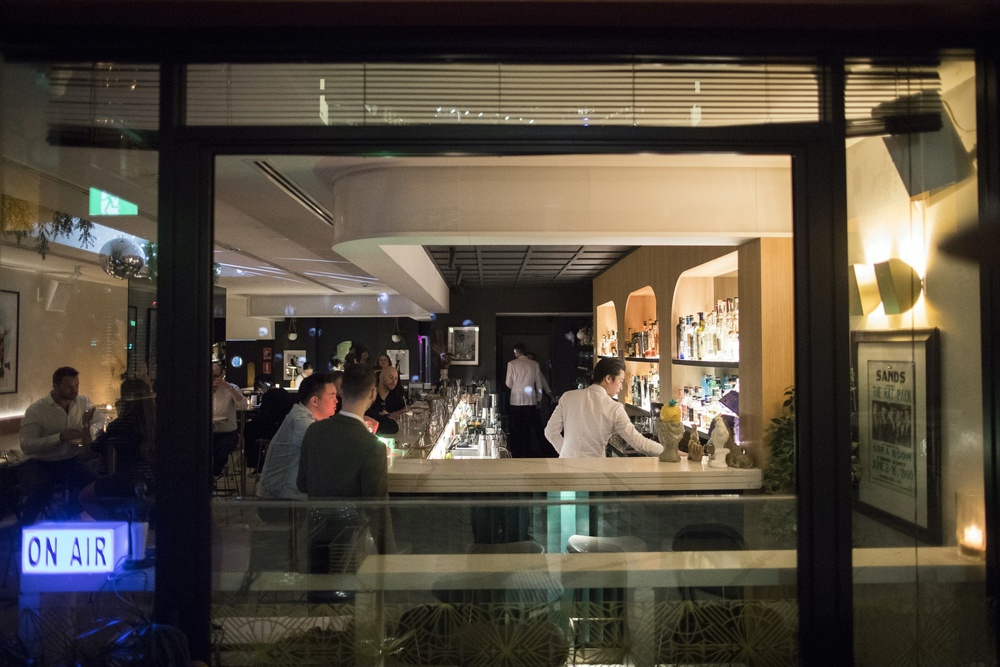
That is precisely the problem for Maybe Sammy, which ranked No.22 in the world’s best bars last year and serves cocktails inspired by the rat-pack era glamor of the 1950s. The popular venue is only able to open four nights a week, co-owner Stefano Catino says.
“Demand is pretty high,” said Catino. “We’ve got a different problem which is staffing.”
(Bloomberg)