Read More








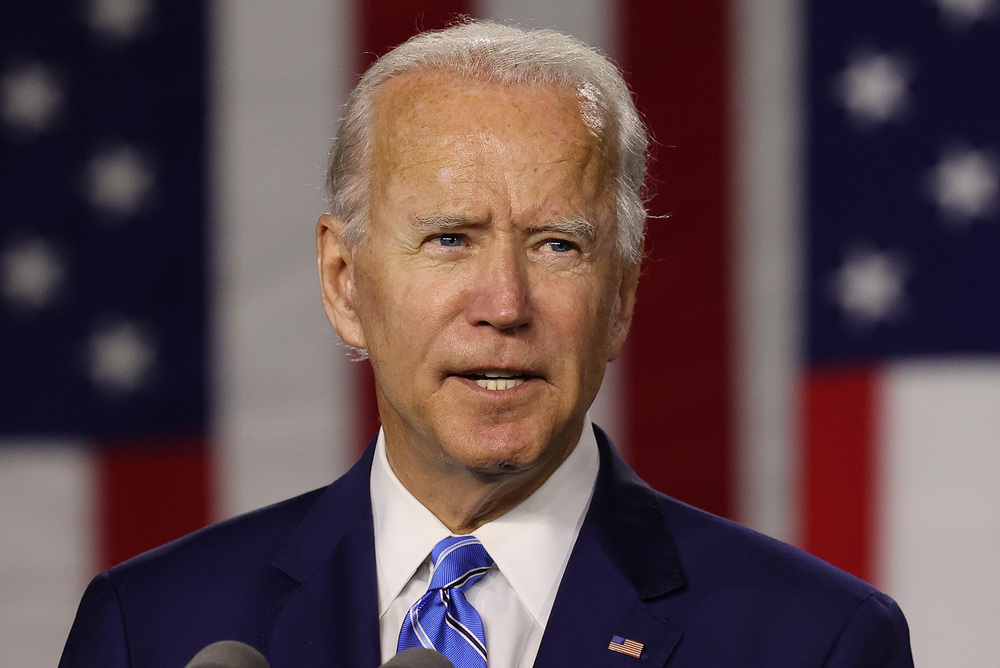
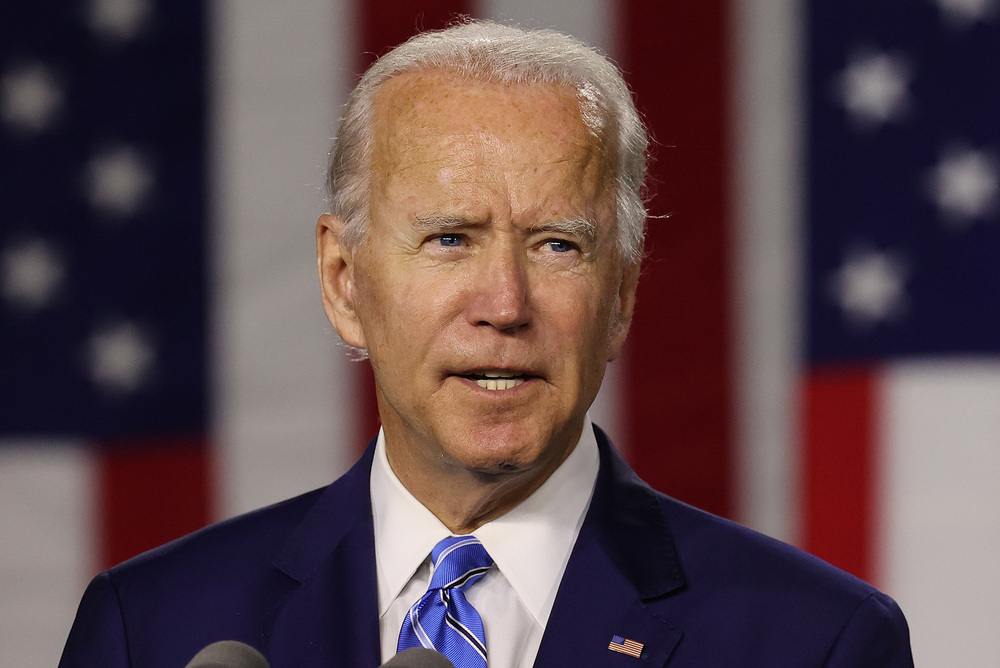
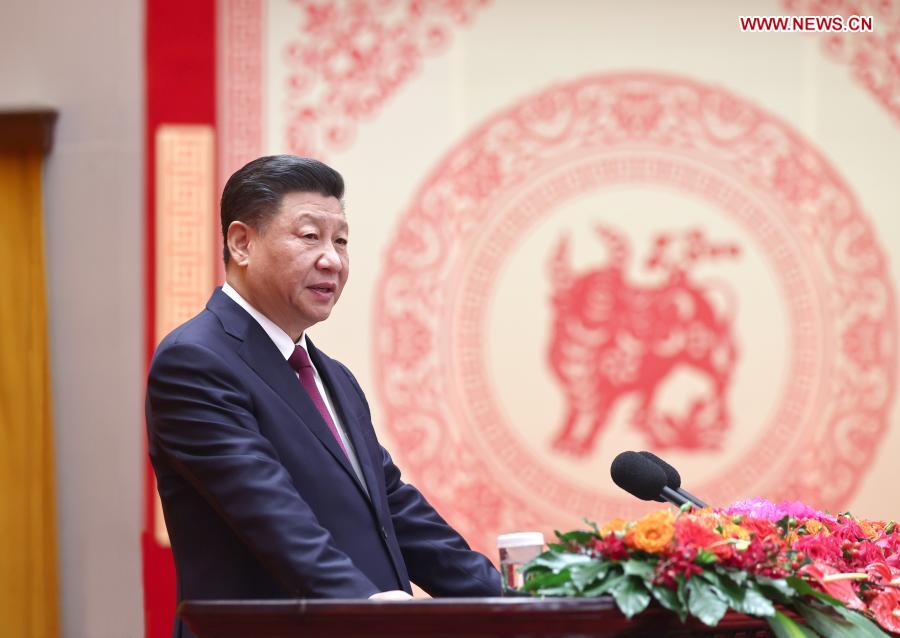
U.S. President Joe Biden spoke to President Xi Jinping on Wednesday, the White House said, his first direct contact with the leader of the world's second-largest economy since winning election in November and taking office last month.
It was also the first call between Xi and a U.S. president since the Chinese leader spoke with former President Donald Trump in March last year. Since then, relations between the two countries have plunged to their worst level in decades.
Biden "underscored his fundamental concerns about Beijing's coercive and unfair economic practices, crackdown in Hong Kong, human rights abuses in Xinjiang, and increasingly assertive actions in the region, including toward Taiwan," the White House said in a statement.
Biden and Xi "exchanged views on countering the coronavirus pandemic, and the shared challenges of global health security, climate change, and preventing weapons proliferation," the statement said.
The U.S. president also told Xi the United States wanted to preserve "a free and open Indo-Pacific," it said.
“I told him I will work with China when it benefits the American people,” Biden posted on Twitter after the call.
Xi told Biden that confrontation between China and the United States would be a disaster for both countries and the two sides should re-establish the means to avoid misunderstandings and misjudgments.
Xi also told Biden that he hopes the United States will cautiously handle matters related to Taiwan, Hong Kong and Xinjiang that deal with matters of China's sovereignty and territorial integrity, according to an account of the discussions reported by Chinese state television on Thursday.
State broadcaster CCTV said Xi and Biden “exchanged greetings on the occasion of the Chinese New Year, and had an in-depth exchange of views on the bilateral relationship and major international and regional issues.”
Biden, who had dealt with the Chinese leader when he served as Barack Obama’s vice president, used his first three weeks in the White House to make several calls with other leaders in the Indo-Pacific region. He has tried to send the message that he would take a radically different approach to China than former President Donald Trump, who placed trade and economic issues above all else in the U.S.-China relationship.
With Japanese Prime Minister Yoshihide Suga late last month, Biden underscored the U.S. commitment to protecting the Senkaku Islands, a group of uninhabited islets administered by Tokyo but claimed by Beijing. In his call with India’s Prime Minister Narendra Modi, Biden emphasized the need for “close cooperation to promote a free and open Indo-Pacific.” And in his call with Australian Prime Minister Scott Morrison last week, the president highlighted that the two nations’ alliance was essential to stability in the region, the White House said.
Top aides to Biden have repeatedly heard from Asia-Pacific counterparts who had become discouraged by Trump’s frequently sharp rhetoric aimed at allies, talk of reducing troop levels in South Korea and odd interactions with North Korean dictator Kim Jong Un, according to a senior administration official who spoke on condition of anonymity to discuss the private calls.
Allies in the region have made clear they want a more purposeful and steady approach to engagements going forward, according to the official.
To that end, Biden and other top administration officials have taken care in their initial interactions with their counterparts to look to the long game in resetting the relationships.-Reuters/AP