Read More








Jury clears Boeing in 737 MAX fraud lawsuit
12 hours ago

HK movie producer Raymond Wong Pak-ming convicted of insider dealing
22-05-2026 17:10 HKT

Swire Properties wins compulsory auction for $2.02b Quarry Bay property
22-05-2026 20:36 HKT
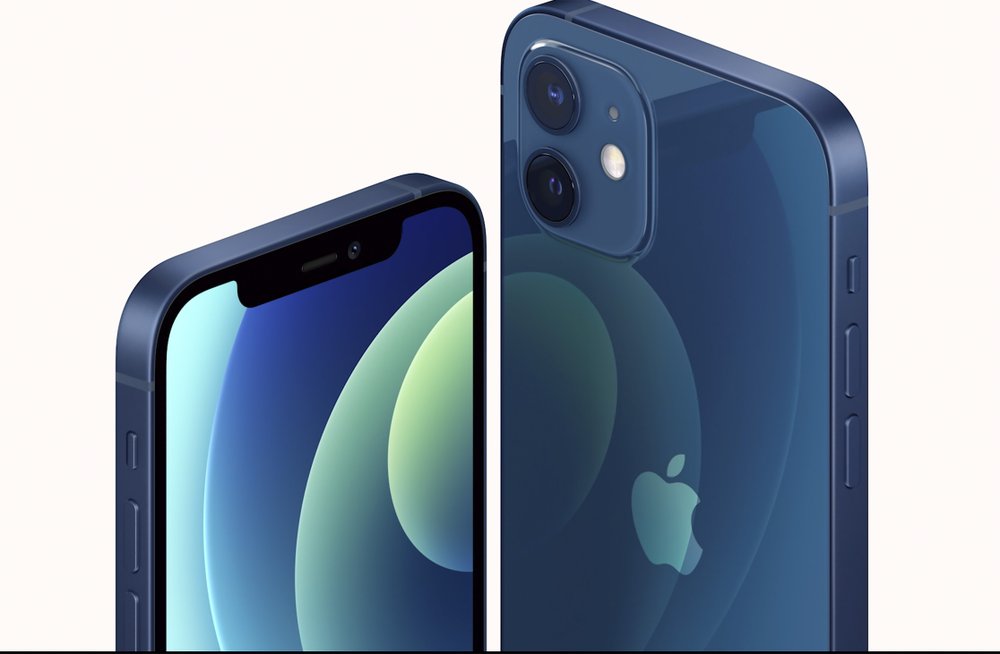
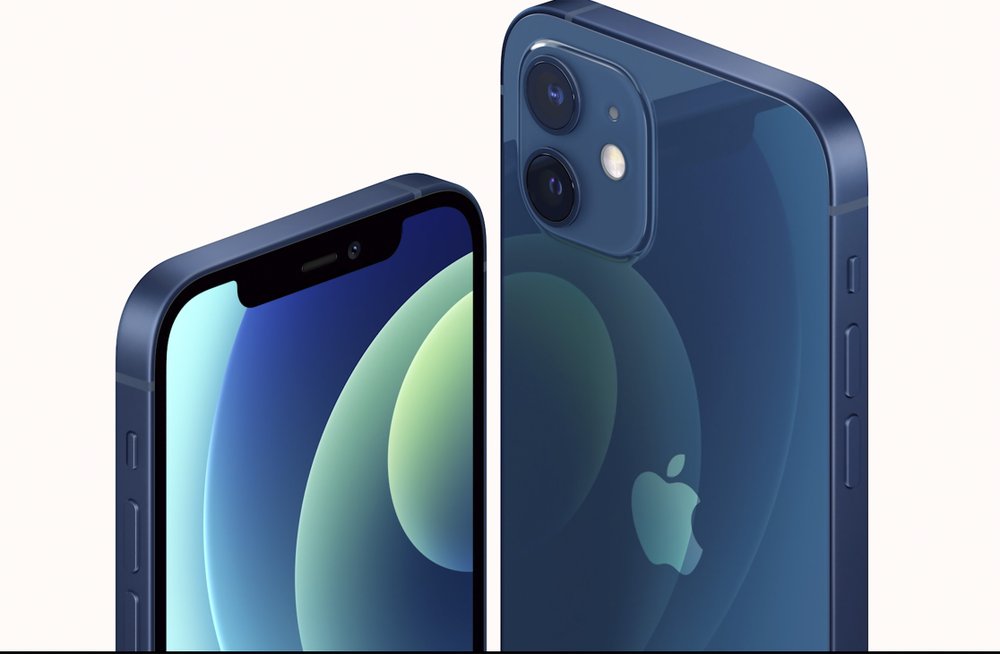
Apple unveiled four new iPhones equipped with technology for use with faster new 5G wireless networks, hoping that demand for higher data speeds will spark demand for new phones.
That might not happen as quickly as Apple would like.
In a virtual presentation Tuesday, the company announced four 5G-enabled versions of the new iPhone 12 ranging in price from almost US$700 to roughly US$1,100. Apple also announced a new, less expensive version of its HomePod smart speaker.
Smartphone sales have been slowing for years as their technology has matured. That has meant far fewer gotta-have-it innovations that can drive demand and, at least until recently, increasingly pricey phones. Add to that pandemic-related economic crisis, and consumers have tended to eke as much life as possible out of their existing phones.
Apple, however, is clearly betting that 5G speeds could push many users off the fence. At its event, the company boasted about 5G capabilities and brought in Verizon CEO Hans Vestberg to champion the carrier’s network.
5G is supposed to mean much faster speeds, making it quicker to download movies or games, for instance. But finding those speeds can be a challenge. While telecom operators have been rolling out 5G networks, significant boosts in speed are still uncommon in much of the world, including the U.S. So far, there are no popular new consumer applications that require 5G.
Updates in the new phones mostly amount to “incremental improvements” over predecessor iPhones, technology analyst Patrick Moorhead said, referring to 5G capabilities and camera upgrades on higher-end phones. But he suggested that if carriers build out their 5G networks fast enough, it could launch a “supercycle” in which large numbers of people switch to 5G phones.
That might be a big if. Mobile expert Carolina Milanesi of the firm Creative Strategies said economic pain caused by the global pandemic and accompanying job losses could easily restrain that buying impulse.
Apple’s new models include the iPhone 12, which features a 6.1-inch display and starts at almost US$800, and the iPhone 12 Mini, with a 5.4-inch display at almost US$700. A higher-end iPhone 12 Pro with more powerful cameras will begin at roughly US$1,000; the 12 Pro Max, with a 6.7-inch display, will set buyers back at least US$1,100. Apple said the phones should be more durable.
The iPhone models unveiled Tuesday will launch at different times. The iPhone 12 and 12 Pro will be available starting October 23; the Mini and the Pro Max will follow on November 13.
That compresses Apple’s window for building up excitement heading into the key holiday season.
Although other parts of Apple’s business are now growing more rapidly, the iPhone remains the biggest business of a technology juggernaut currently worth about US$2 trillion, nearly double its value when stay-at-home orders imposed in the U.S in mid-March plunged the economy into a deep recession.
The pandemic temporarily paralyzed Apple’s overseas factories and key suppliers, leading to a delay of the latest iPhones from their usual late September rollout. The company also closed many of its U.S. stores for months because of the pandemic, depriving Apple of a prime showcase for its products.-AP