Read More





How is the Nobel Peace Prize decided?
2 hours ago





HK hit by sudden 9 degrees temperature dip amid cold front
29-04-2026 20:56 HKT


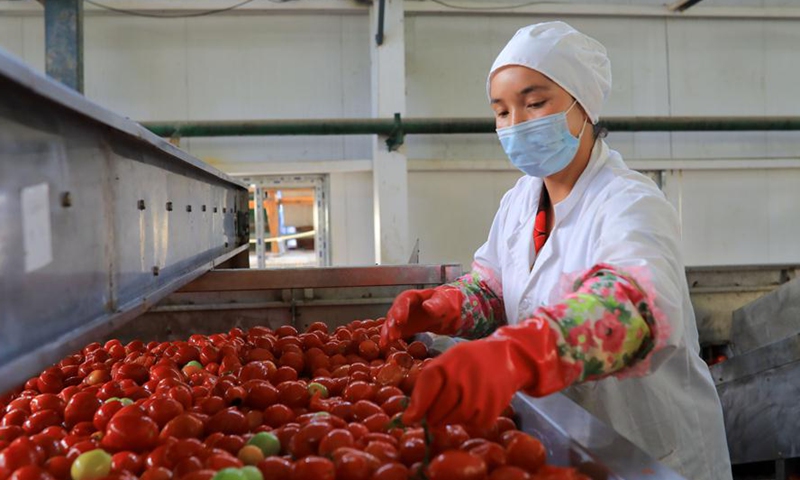
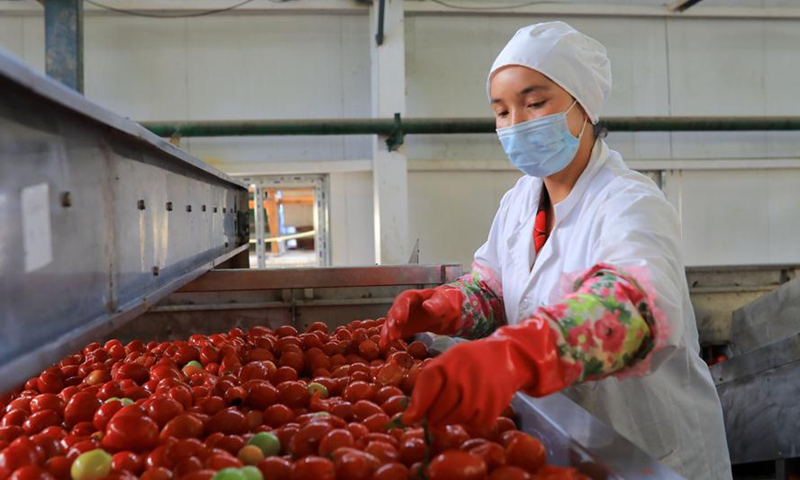
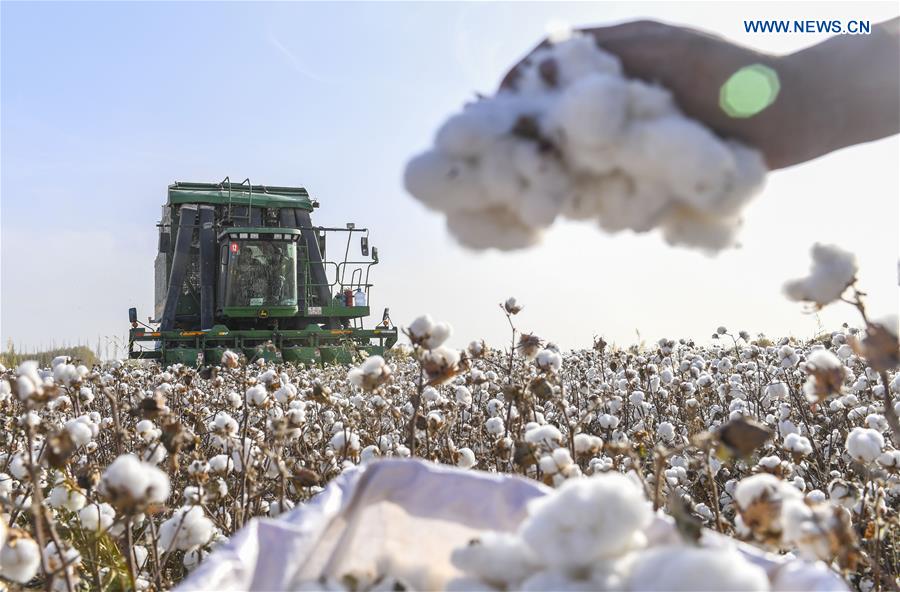
The United States on Tuesday will move to block imports of cotton and tomato products from western China's Xinjiang region over allegations that they are produced with forced labor, officials with U.S. Customs and Border Protection told Reuters.
The actions, which hit two of China's major commodity exports, will be announced at the White House along with five other import bans involving Xinjiang forced labor abuses in an unprecedented move likely to stoke tensions between the world's
two largest economies.
The "Withhold Release Orders" allow the CBP to detain shipments based on suspicion of forced labor involvement under longstanding U.S. laws aimed at combating human trafficking, child labor and other human rights abuses.
The Trump administration is ratcheting up pressure on China over its treatment of Xinjiang's Uighur Muslim population. The United Nations has said it has credible reports that 1 million Muslims have been detained in camps in the region, where they
are put to work.
China denies mistreatment of the Uighurs and says the camps are vocational training centers needed to fight extremism.
CBP Executive Assistant Commissioner Brenda Smith told Reuters in an interview that the effective import bans will apply to the entire supply chains involving cotton, including cotton yarn, textiles and apparel, as well as tomatoes, tomato paste and other products exported from the region.
"We have reasonable but not conclusive evidence that there is a risk of forced labor in supply chains related to cotton textiles and tomatoes coming out of Xinjiang," Smith said. "We will continue to work our investigations to fill in those gaps."
U.S. law requires the agency to detain shipments when there is an allegation of forced labor, such as from non-governmental organizations, she said.
The bans could have far-reaching effects for U.S. retailers and apparel producers, as well as food manufacturers. China produces about 20 percent of the world's cotton and most of it comes from Xinjiang. China also is the world's largest importer of
cotton, including from the United States.
In March, U.S. lawmakers proposed legislation that would effectively assume that all goods produced in Xinjiang are made with forced labor and would require certification that they are not.
Xinjiang is also a major grower of tomatoes and exporter of tomato products, including tomato paste and tomato powder used in ketchup and other food products.
Every year, more than 80 percent of ketchup produced in Xinjiang is exported to Russia and Italy, state media has reported.
In an announcement seen by Reuters, the CBP said it identified forced labor indicators involving the cotton, textile and tomato supply chains "including debt bondage, unfree movement, isolation, intimidation and threats, withholding of wages, and abusive working and living conditions."
The agency also is blocking cotton produced by the Xinjiang Production and Construction Corps, and apparel produced by Yili Zhuowan Garment Manufacturing Co and Baoding LYSZD Trade and Business Co It says these entities use prison labor from Chinese government administered "re-education" internment camps.
Xinjiang continued to be China's largest cotton production base in 2019, despite a year-on-year output reduction of 2.1 percent, China Daily has reported. The region's cotton output was more than 5 million metric tons last year, representing 84.9 percent of the country's total, up 1.1 percentage points when compared with last year's figure, according to the Department of Agriculture and Rural Affairs of Xinjiang.
In addition, CBP is blocking imports of products made at the Lop County Industrial Park as well as the Lop County No. 4 Vocational Skills Education and Training Center. The moves follow the detention on July 1 of hair extensions and other goods from the Lop County Meixin Hair Product Co..
The CBP orders also block imports of computer parts made by the Hefei Bitland Information Technology Co Ltd, based in Anhui, China.-Photo: Xinhua