Some 287 candidates will be considered for the 2026 Nobel Peace Prize, the Norwegian Nobel Committee said on Thursday,including 208 individuals and 79 organisations.
Here is a look at how the award works:
WHO DECIDES?
The Norwegian Nobel Committee consists of five individuals appointed by the Norwegian parliament. Members are often, but not always, retired politicians. The current committee is led by the head of the Norwegian branch of PEN International, a group defending freedom of expression. Another member is an academic.
They are all put forward by Norwegian political parties and their appointments reflect the balance of power in Norway's parliament.
WHO CAN WIN?
The short answer is: whoever fits the description set out in the 1895 will of Swedish industrialist Alfred Nobel. It says the prize should go to the person "who has done the most or best to advance fellowship among nations, the abolition or reduction of standing armies, and the establishment and promotion of peace congresses".
The more complicated answer is that the prize "needs to be placed in the current context", according to Kristian Berg Harpviken, the award committee's secretary, who prepares the work for the award body. He participates in the deliberations but does not vote.
"They will look at the world, see what is happening, what are the global trends, what are the main concerns, what are the most promising processes that we see," he told Reuters last year.
"And processes here can mean anything from a specific peace process to a new type of international agreement that is under development or that has recently been adopted."
DOES THE NORWEGIAN GOVERNMENT DECIDE WHO GETS THE PRIZE?
No. Once the political parties appoint their respective candidates to the committee, they do not get involved in its work.
Only the five members of the committee and its secretary participate in the meetings. No minutes are kept.
The government finds out the name of the laureate, or laureates, at the same time as everyone else, when the chair announces it in October.
WHO CAN NOMINATE?
Thousands of people worldwide can propose names: members of governments and parliaments; current heads of state; university professors of history, social sciences, law and philosophy; and former Nobel Peace Prize laureates, among others.
Nominations closed on January 31. Members of the committee can make their own nominations too, no later than at their first meeting in February. The full list is locked in a vault for 50 years.
IS PRESIDENT TRUMP NOMINATED?
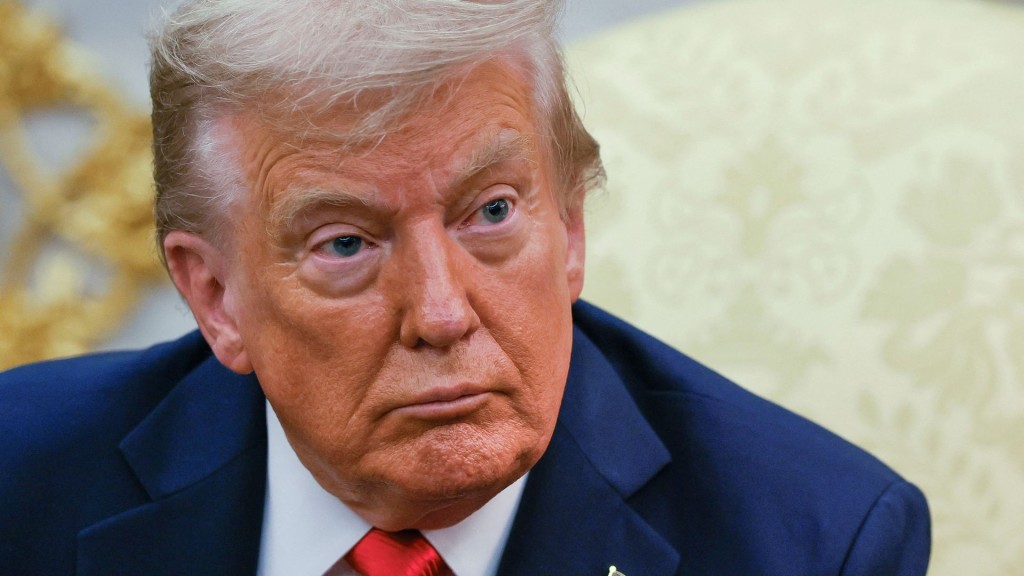
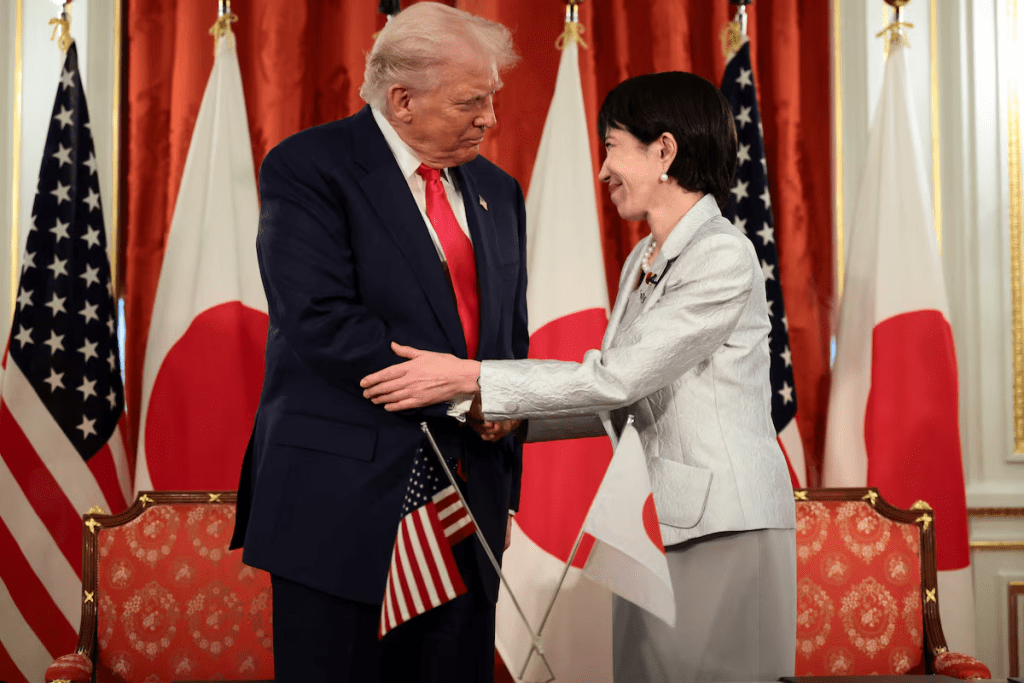
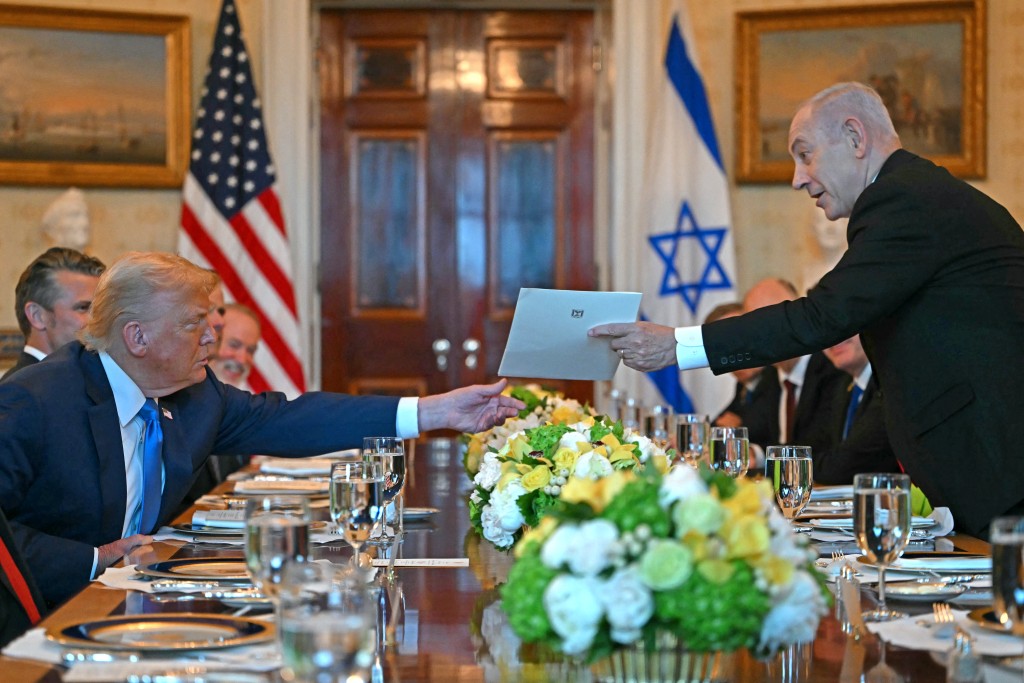
The leaders of Cambodia, Israel and Pakistan have said they nominated U.S. President Donald Trump for this year's prize. Their nominations, if made, would have been done in spring and summer 2025 so they are valid for the 2026 prize.
There is no way of verifying they have done as they have said.
HOW DOES THE COMMITTEE DECIDE?
The committee discusses all the nominations, then establishes a shortlist. Each nominee is then assessed and examined by a group of permanent advisers and other experts.
The committee meets roughly once a month to discuss the nominations. The decision tends to be taken in August or September, said Harpviken.
The committee seeks to reach a consensus on its selection. If it cannot, the decision is made by majority vote.
The last time a member quit in protest was in 1994, when Palestinian leader Yasser Arafat shared the prize with Israel's Shimon Peres and Yitzhak Rabin.
WHAT DOES THE LAUREATE GET?
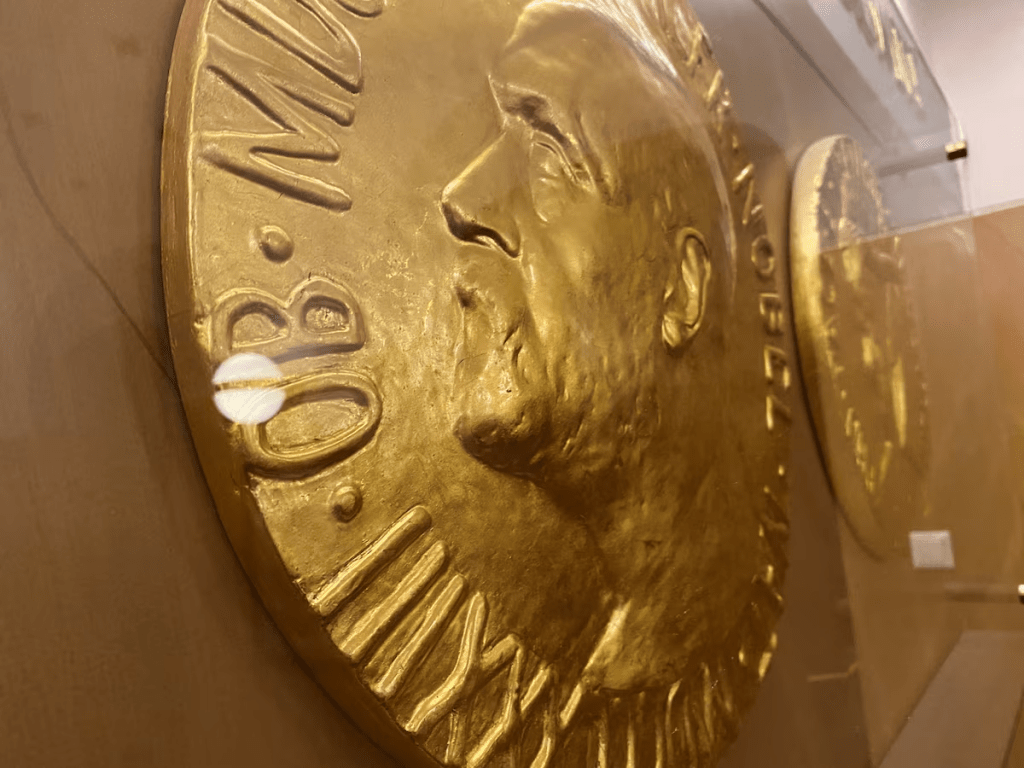
A gold medal, a diploma, 11 million Swedish crowns ($1.18 million) and immediate global attention.
WHEN ARE THE ANNOUNCEMENT AND THE CEREMONY?
The announcement will take place on October 9 at the Norwegian Nobel Institute in Oslo and is made by the committee's chair.
The ceremony takes place at the Oslo City Hall on December 10, the anniversary of Alfred Nobel's death.
Reuters