Read More









Artemis 2 Moon mission: a primer
15 hours ago

Man arrested after two women allegedly molested on Tuen Ma Line MTR train
24-03-2026 16:53 HKT
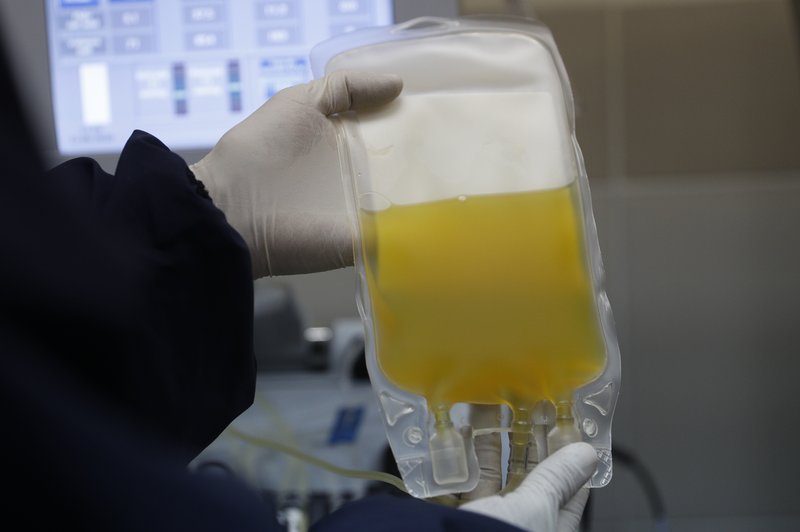
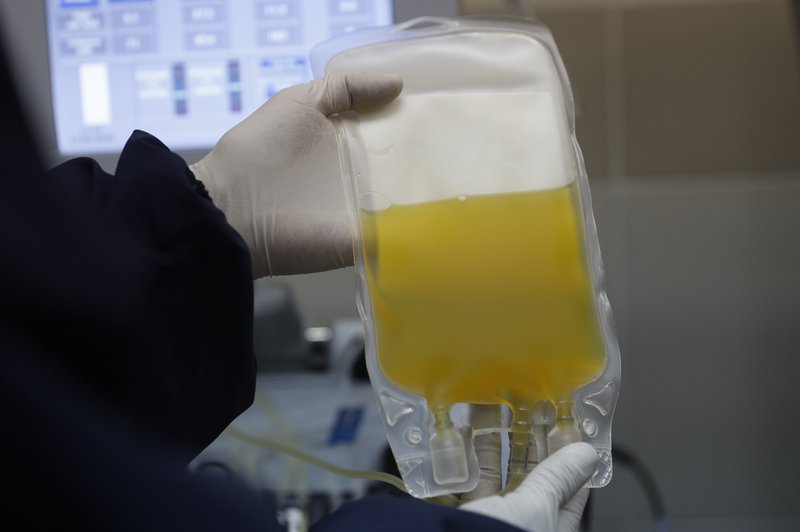
Earlier this month, Mayo Clinic researchers in the United States reported a strong hint that blood convalescent plasma from coronavirus disease survivors helps other infected patients recover.
But it was not considered proof.
More than 70,000 patients in the U.S. have been given convalescent plasma, a century-old approach to fend off flu and measles before vaccines. It’s a go-to tactic when new diseases come along, and history suggests it works against some, but not all, infections.
The Mayo Clinic reported preliminary data from 35,000 coronavirus patients treated with plasma, and said there were fewer deaths among people given plasma within three days of diagnosis, and also among those given plasma containing the highest levels of virus-fighting antibodies.
But it was not a formal study. The patients were treated in different ways in hospitals around the country as part of an FDA program designed to speed access to the experimental therapy. That “expanded access” program tracks what happens to the recipients, but it cannot prove the plasma — and not other care they received — was the real reason for improvement.
Administration officials, in a call with reporters Sunday, discussed a benefit for patients who were within three days of admission to a hospital and were not on a respirator, and were given ‘high-titer’ convalescent plasma containing higher concentrations of antibodies. They were then compared to similar patients who were given lower-titer plasma. The findings suggest deaths were 35 percent lower in the high-titer group.
There has been little data on how effective it is or whether it must be administered fairly early in an illness to make a significant difference, said Dr. William Schaffner, an infectious diseases expert at Vanderbilt University.
Aiming to ward off a possible a run on convalescent plasma after the announcement, government officials have been working to obtain plasma and to team with corporate partners and nonprofit organizations to generate interest among previously infected patients to donate.
Food and Drug Administration head Stephen Hahn, who called the development “promising,” said President Donald Trump did not speak to him about the timing of the announcement. He said “this has been in the works for several weeks.”
But some health experts were skeptical. Benjamin Corb, of the American Society for Biochemistry and Molecular Biology, called it “conspicuous timing.”
“President Trump is once again putting his political goals ahead of the health and well-being of the American public,” Corb said.
Rigorous studies are under way around the country, comparing similar patients randomly assigned to get plasma or a dummy infusion in addition to regular care. But those studies have been difficult to finish as the virus waxes and wanes in different cities. Also, some patients have requested plasma rather than agreeing to a study that might give them a placebo instead.
Former FDA commissioner Dr. Scott Gottlieb dismissed the suggestion of a slowdown.-AP