Read More
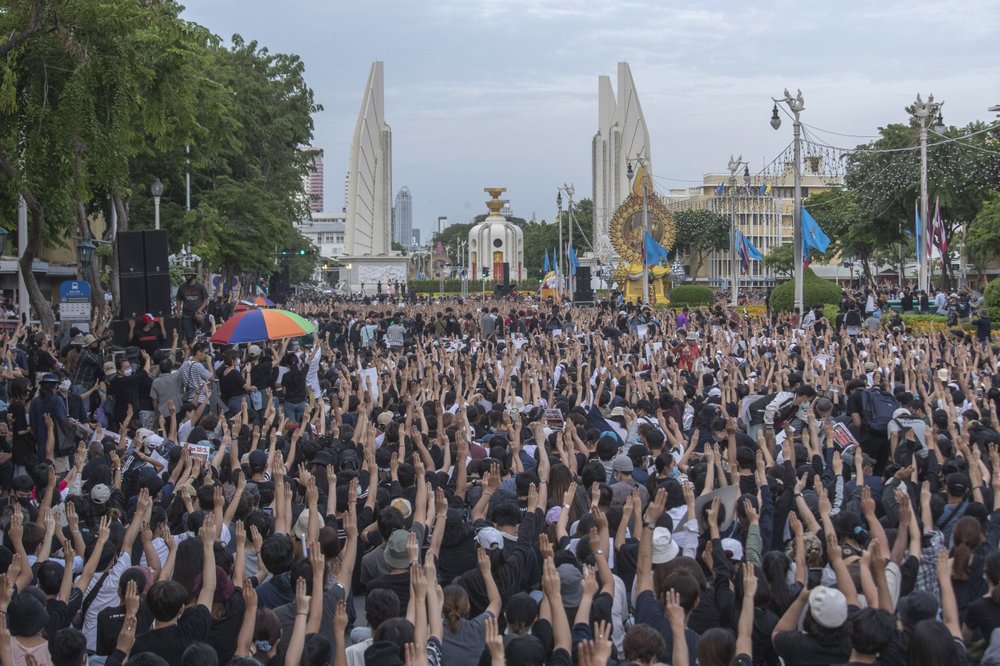
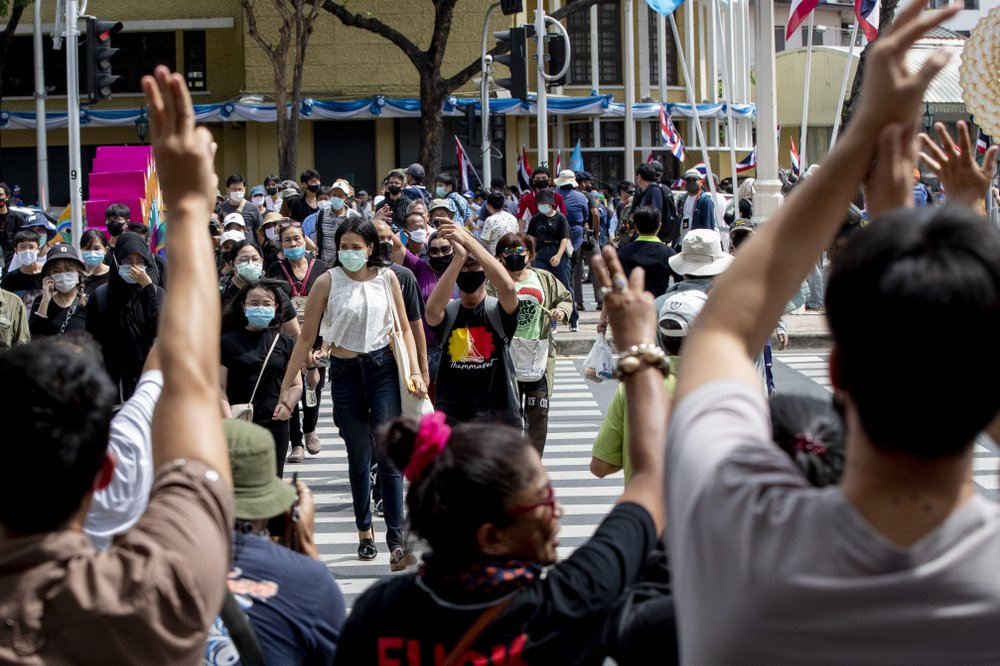
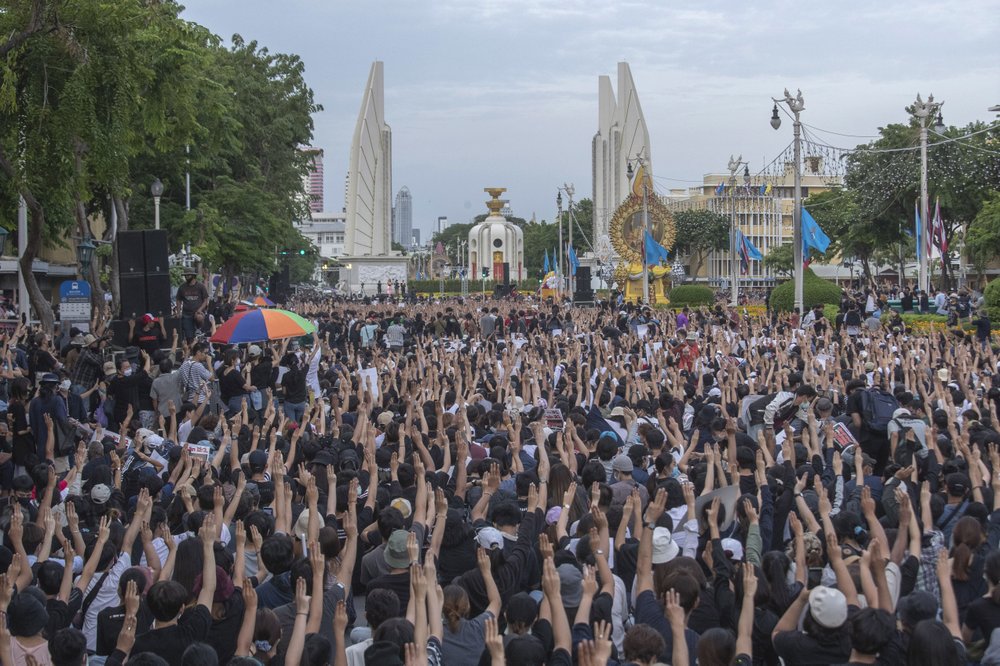
Anti-government protesters gathered in large numbers in Thailand’s capital on today for a rally that suggested their movement’s strength may have extended beyond the college campuses where it has blossomed.
ADVERTISEMENT
SCROLL TO CONTINUE WITH CONTENT
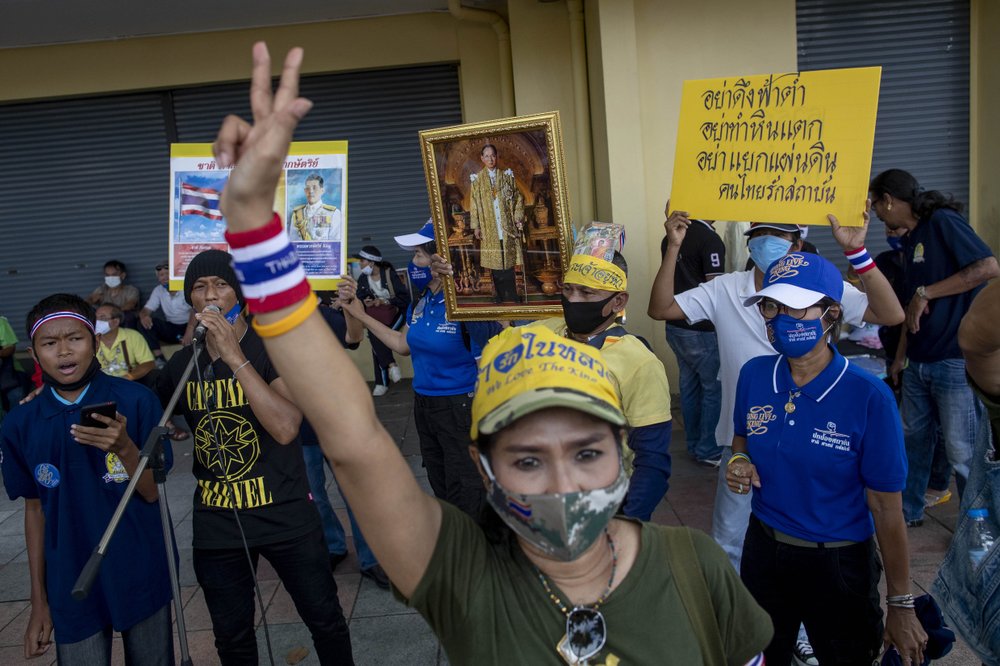
Thousands of people assembled at Bangkok’s Democracy Monument, a traditional venue for political activities. Hundreds of police were also present, as well as a small contingent of royalists opposed to the protesters. There was no reliable estimate of the crowd size, though it appeared to be one of the biggest demonstrations in several years.
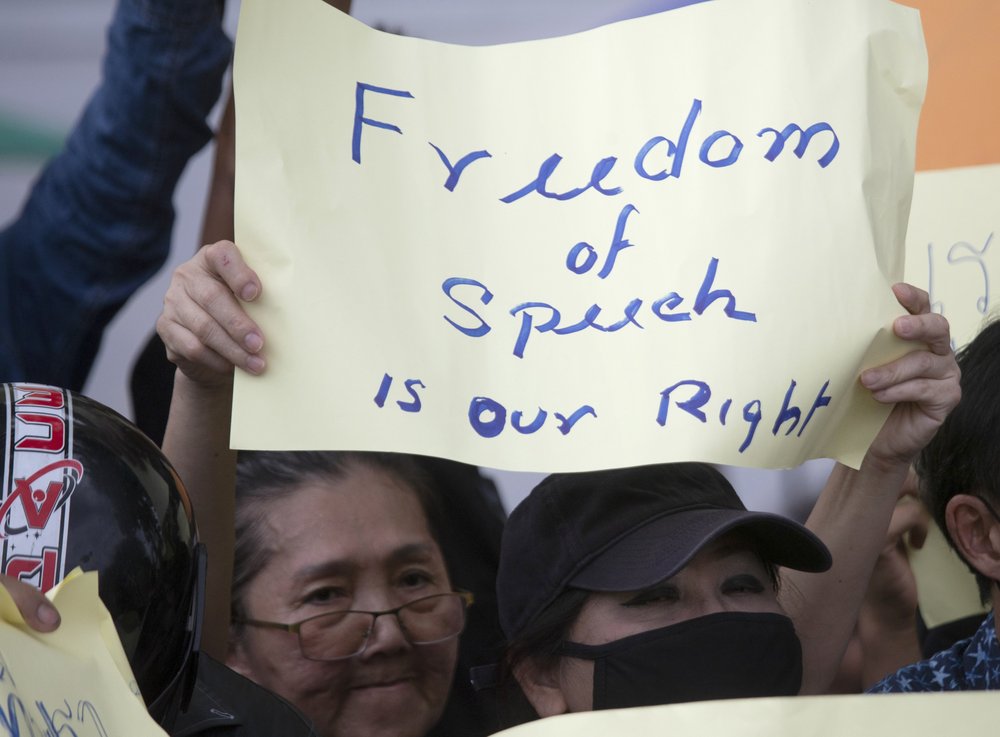
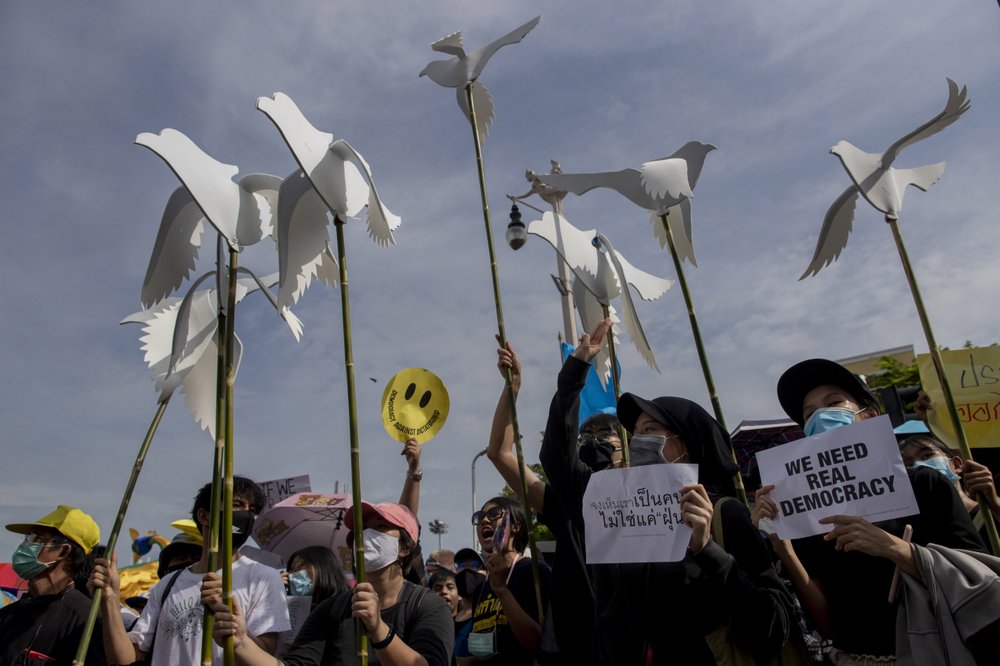
The student-led movement has three core demands: holding new elections, amending the constitution and ending the intimidation of critics of the government.
“It is clear that students from several generations are the driving force of change in Thai society,” said Narin Isariyasith, a 20-year-old student at Thammasat University.
“We have done this in the past, but Thailand still has no full democracy,” he said. “Dictatorship keeps coming back. And I think it is our duty to end this vicious cycle.”
Thailand has experienced a successful coup roughly every six years on average since the army toppled the absolute monarchy in 1932 and replaced it with a constitutional monarchy. But it has been under military rule for much of the time since then.
As the army chief in 2014, current Prime Minister Prayuth Chan-ocha led a coup ousting an elected government. He then served as prime minister in the military regime that succeeded it, and returned as premier after a general election last year. Laws guiding the 2019 election were widely seen as so heavily rigged in Prayuth’s favor that victory was all but guaranteed.
Protest leaders triggered controversy last week when they expanded their agenda, publicly criticizing Thailand’s constitutional monarchy and issuing a 10-point manifesto calling for its reform.
Their action was virtually unprecedented, as the monarchy is considered sacrosanct in Thailand, and any criticism is normally kept private. A lese majeste law calls for a prison sentence of three to 15 years for anyone found guilty of defaming the royal institution.
The sensitivity of the issue was illustrated by the failure of most mainstream Thai media to report in any detail on the students’ manifesto about the monarchy.-AP