Read More





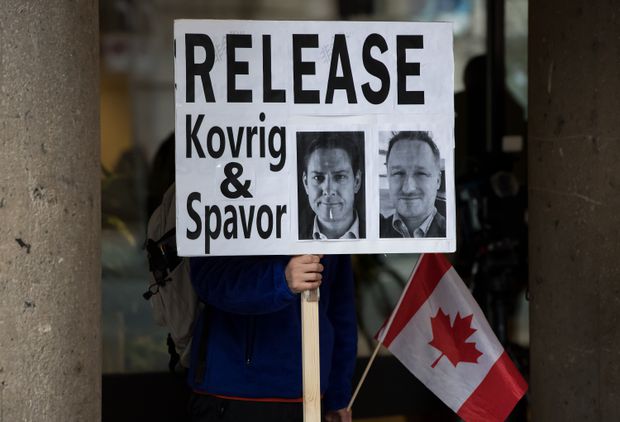
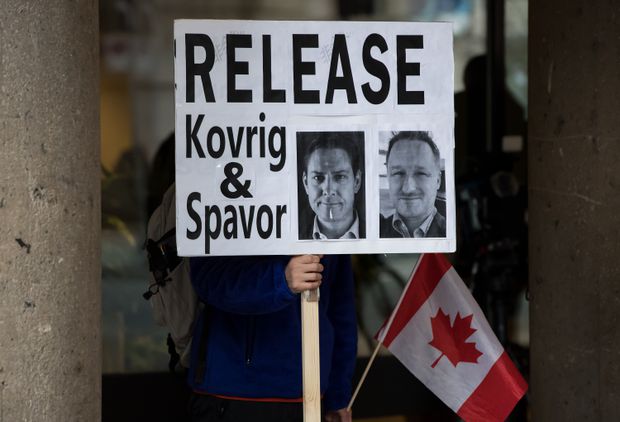
Two Canadians arrested in China, Michael Kovrig and Michael Spavor, have been formally prosecuted respectively by the procuratorates in Beijing and Dandong, northeastern Liaoning province.
According to two separate notices published on the Supreme People's Procuratorate website today, Kovrig was "suspected of spying on state secrets and intelligence" while Spavor was "suspected of spying state secrets and illegally providing them to overseas forces."
Canada's Globe and Mail reports that Kovrig is a former Canadian diplomat who has worked as a senior adviser for North East Asia for International Crisis Group. Spavor is a businessmen who helped to arrange travel into North Korea.
The maximum penalty for such charges, in matters considered serious, is life in prison. Less serious matters can result in prison sentences of less than five years.
Kovrig and Spavor were both arrested December 10, 2018, days after the arrest in Vancouver of Huawei executive Meng Wanzhou.
They were initially interrogated for six and sometimes eight hours a day by state security officials. They were then placed in detention centres, where they have been kept in 24-hour lighting, with officials cutting off consular access after mid-January, citing the Coronavirus pandemic.
The decision to prosecute the men, who have been widely described as victims of Chinese “hostage diplomacy,” comes after a British Columbia court denied an initial application for Ms. Meng to be released from Canada, where she is in the midst of an extradition process to the U.S.
U.S. prosecutors have accused Meng of fraud related to violation of sanctions against Iran. She said she has done nothing wrong.
Before the filing of formal charges against Mr. Kovrig and Spavor, Chinese procurators had the option of rejecting the case against them and releasing them.
Now that they have been charged, the men are likely to face trial and sentencing, a process that can take many years in China.
With the two men charged, it becomes more difficult for Chinese leadership, which has authority over the judiciary but claims that it is a country under the rule of law, “to intervene in the court systems. Not impossible, of course — just more difficult,” said Gordon Houlden, a former diplomat who is director of the China Institute at the University of Alberta.
To release them now would “underline that it is a political decision to arrest them and release them — and not something as determined by the aegis of the court itself,” he said.
This “makes it less likely they’ll be released soon and more likely they will be detained for some time.”
Chinese authorities have taken no further steps against Fan Wei or Robert Schellenberg, two Canadians sentenced to death on drug charges, legal counsel for the two men said Friday.
Lawyer Zhang Dongshuo, who represents Schellenberg, does not represent Kovrig or Spavor.
But, he said, “from the aspect of law in China, once the procuratorate organ makes such a decision, it means the case formally enters the court stage and moves toward trial.” Because the charges involve state secrets, “it’s very likely the trial won’t proceed openly, there will be no observers and the verdict and case information won’t be made public, either.”
Sentences in such cases, he said, are nearly always five or more years of imprisonment.
“I don’t think the cases against the two Michaels will end soon,” he said.