Read More






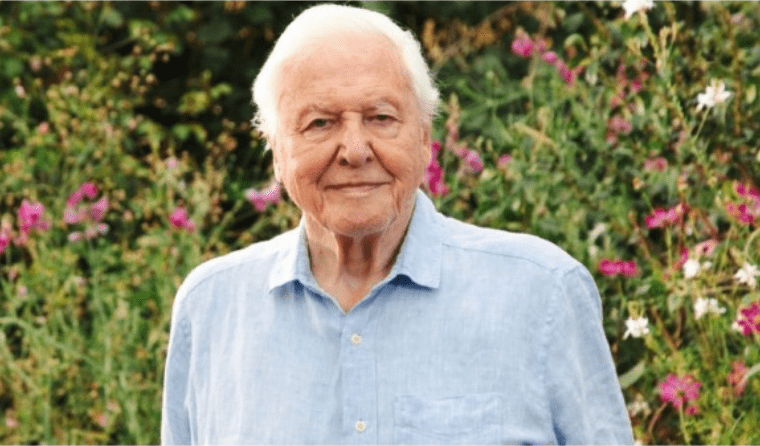
100 y/o biologist David Attenborough shares 4 longevity habits
07-06-2026 12:00 HKT

Mother and daughter die in successive falls from same Tai Koo Shing block
11-06-2026 00:05 HKT


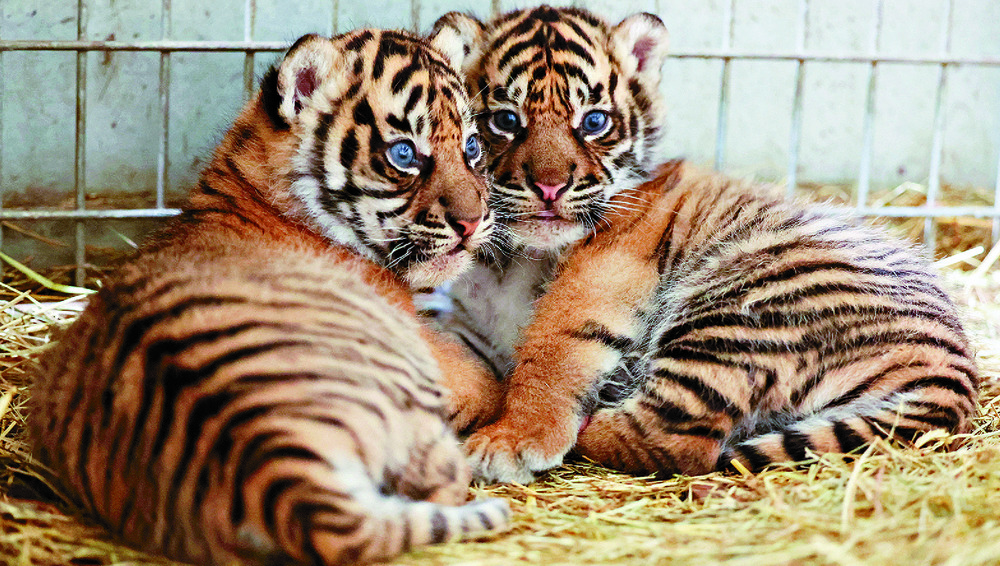
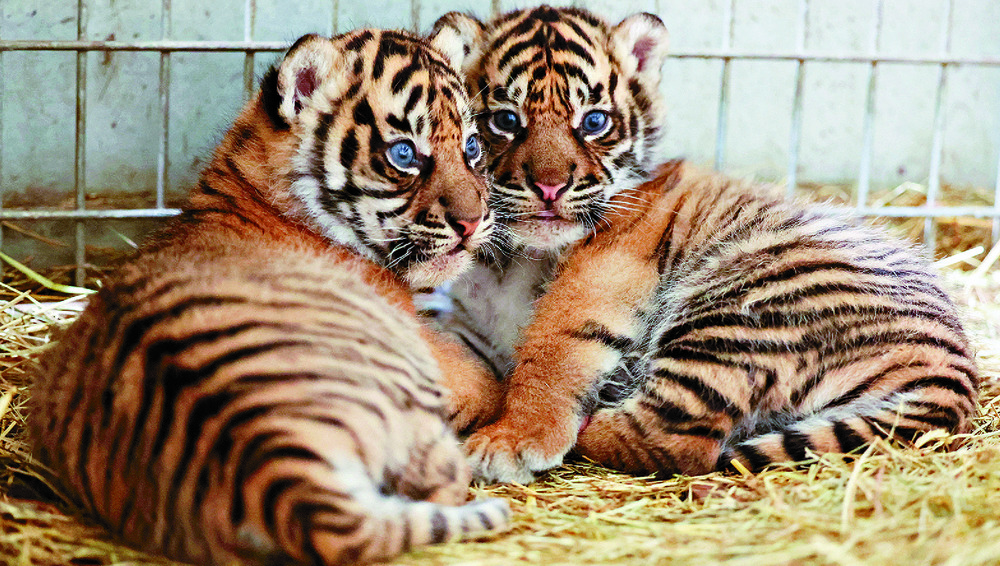
The world is racing to meet a goal to protect 30 percent of the Earth by 2030 to protect wildlife that is being decimated by climate change, pollution and habitat destruction.
"Most countries do not actually have a strategy," Peres said.
The study's proposed protections would cover an additional 1.6 million square kilometers - an area about a fifth the size of the United States - across 16,825 sites globally that are home to rare and threatened species.
That's on top of the nearly 16 percent of the world that already has some level of protection."Time is not on our side because it will become increasingly more expensive and more difficult to set aside additional protected areas," Peres said.
Land acquisition makes up most of the cost of creating protected areas, and the study did not consider the upkeep costs for policing the reserves.About three-quarters of the sites are tropical forests, as those are the world's most biodiverse ecosystems. The Phillipines, Brazil and Indonesia are home to more than half of the high-value sites.
Russia is the single country with the most high-valued area ripe for conservation with 138,436 square km identified in the study, an area the size of Greece.Several African countries also topped the list with Madagascar having the fourth-highest number of sites overall while the Democratic Republic of Congo had the largest area targeted for conservation on the continent.
The researchers only considered land and freshwater ecosystems and did not include invertebrates in the study, as the geographical distributions of insects and other such animals are not well mapped.Reuters