Read More

Japan dad ditches 7-year-old for hours to climb Mt Fuji
22-08-2026 12:25 HKT
Up to 12,000 climbers ignore Mount Fuji closure each year, data shows
02-06-2026 00:40 HKT











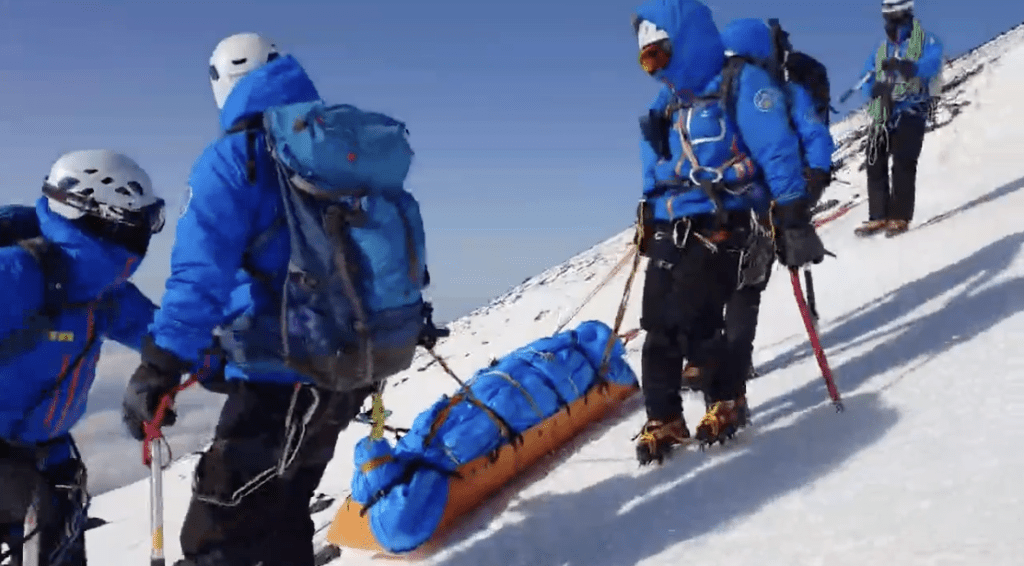
A 20-year-old Chinese student who ignored a winter climbing ban on Mt Fuji had to be rescued by police after injuring himself, sparking debate in Japan about charging for such rescues.
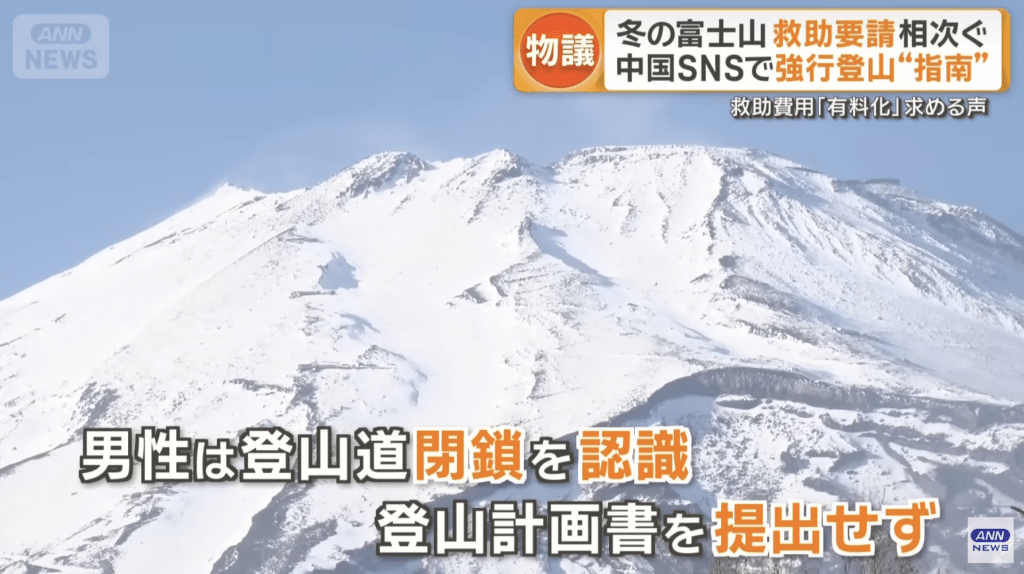
The student, enrolled at a vocational school in Shinjuku, Tokyo, illegally ascended the mountain via the Fujinomiya trail on January 18. While descending, he fell and fractured his right leg at the eighth station, prompting an emergency call at midday.
Shizuoka prefectural police dispatched a 10-11 member mountain rescue team. They located him around 8.30pm in severe weather with strong winds and poor visibility. The team sheltered overnight in a mountain facility before carrying him down on foot the next day.
Police described the operation as a "life-for-life" risk, as icy slopes prevented helicopter use, forcing rescuers to manually carry the stretcher. The student admitted he knew the trail was closed but wanted to see the winter scenery, having climbed it once in summer. He described himself as a beginner lacking snow and ice experience.
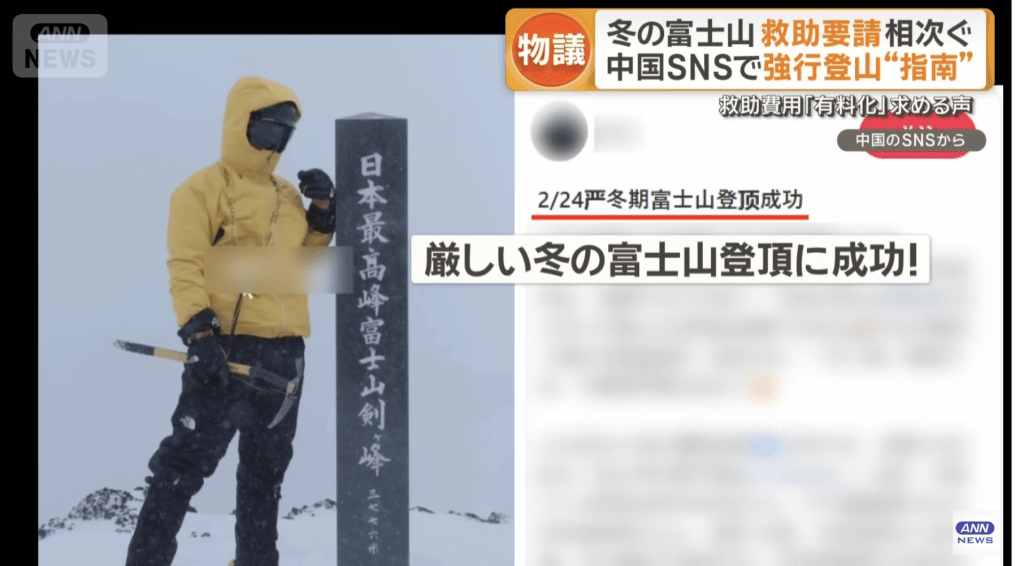
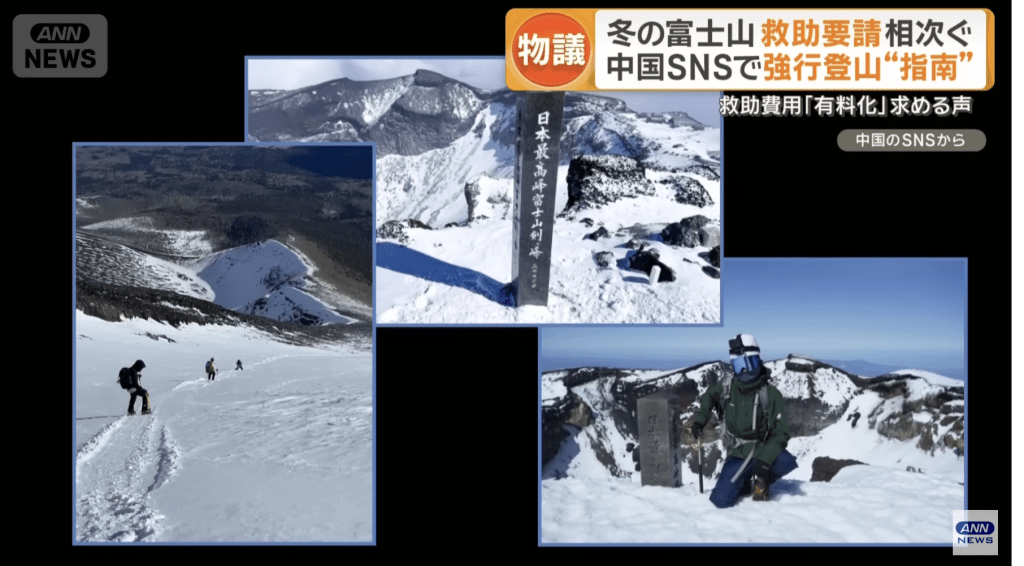
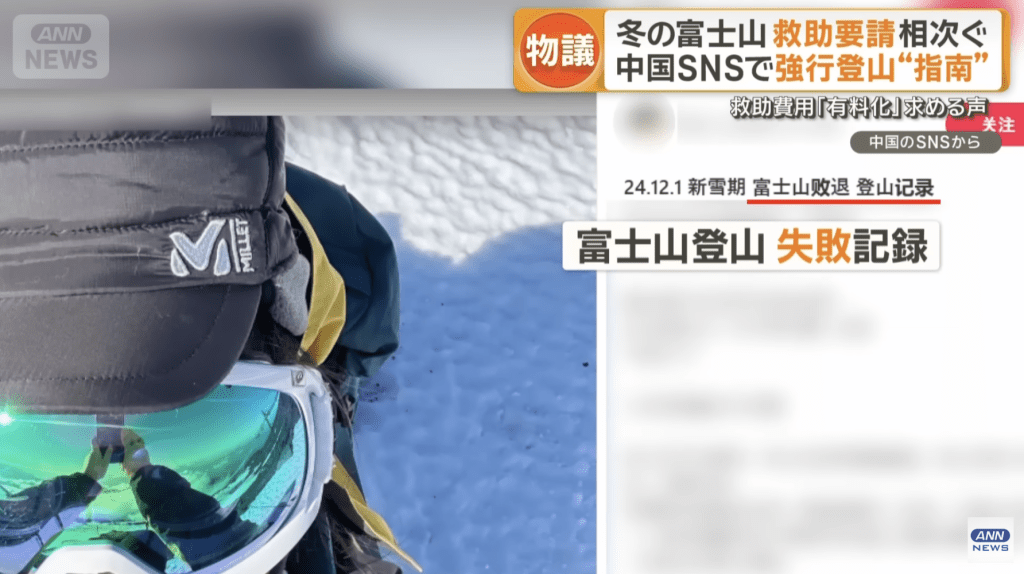
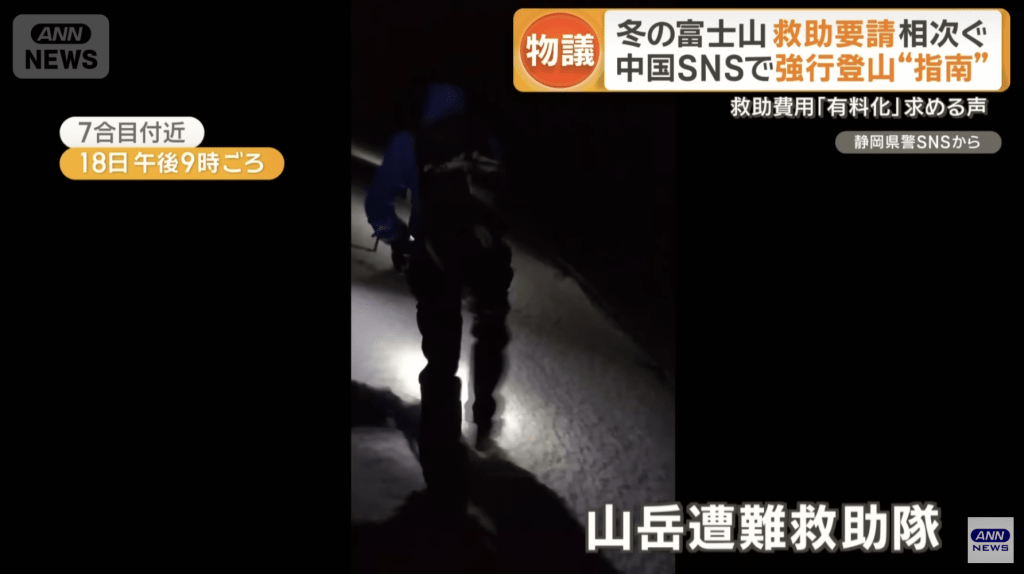
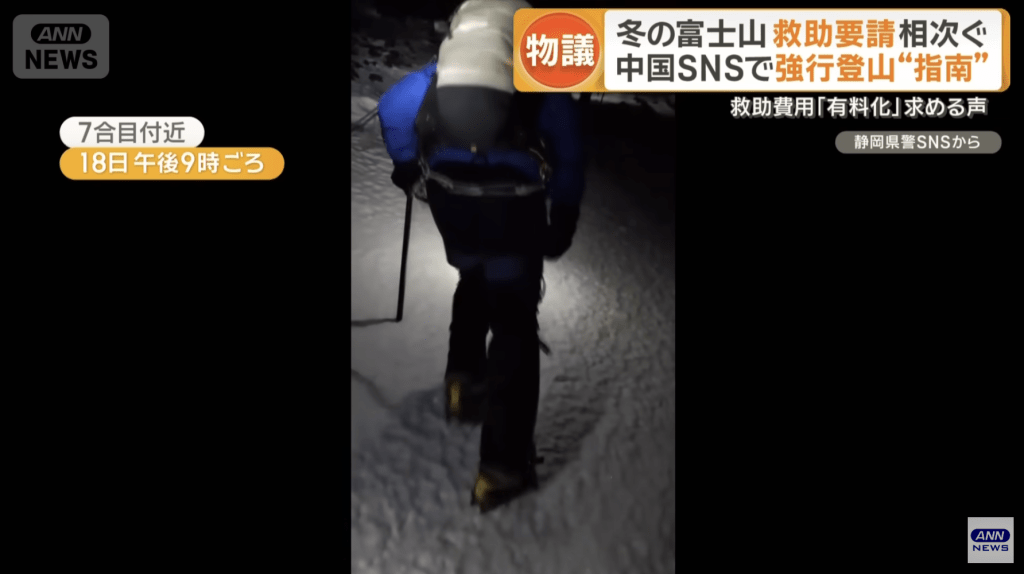
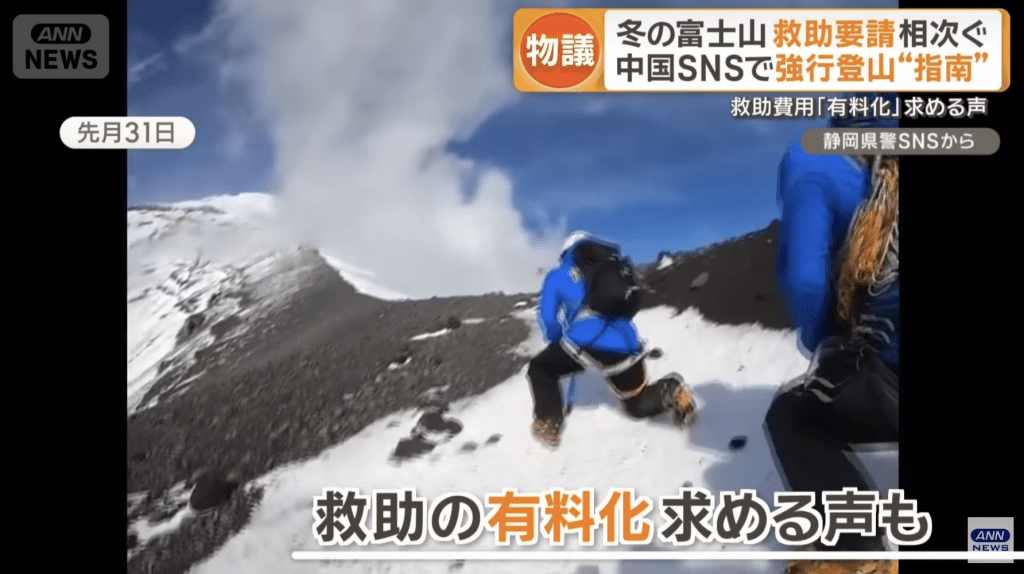
Shizuoka police noted rising illegal climbing cases, with one officer stating: "We are risking our lives to rescue rule-breakers. Honestly, I wish rescue services could be privatized and charged for."
Following the incident, Shizuoka's prefectural assembly is drafting a bill to consider making rescued illegal climbers pay rescue costs. Fujinomiya's mayor supports the "user-pays" principle as a deterrent.
Under current Japanese law, climbing closed routes can lead to up to six months imprisonment or a 300,000 yen fine. Japanese media pointed out Chinese social media platforms contain posts about winter climbs, which police fear may mislead others.