The Expo 2025 Osaka, which has allocated an investment of 320 billion yen (approximately HK$17 billion) with the aim of attracting 28 million visitors, has encountered challenges associated with a perceived lack of innovative pavilions and negative press coverage. This has led to public skepticism regarding the overall value of the event.
According to a report by East Week -- the sister publication of The Standard -- the project has been plagued by issues since its launch. Its location on the artificial island Yumeshima was criticized as an "isolated island" with poor transport and massive budget overruns.
The facilities and arrangements have also exposed the organizers' incompetence, tarnishing the reputation of Japanese meticulousness and the craftsman spirit of Japan.
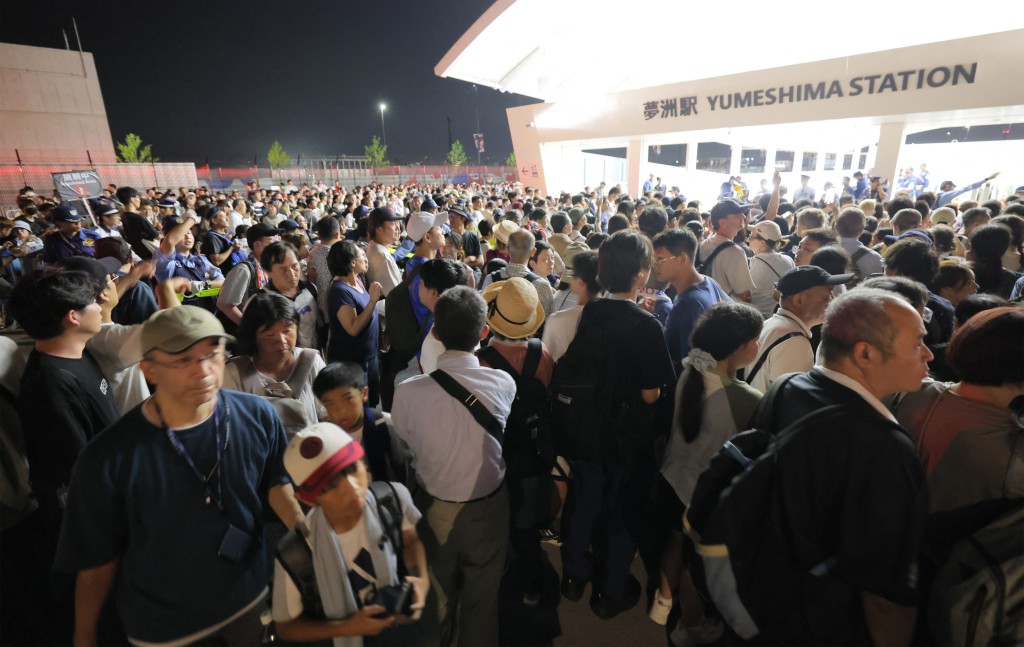
What made the situation worse was the power failure that hit the Osaka Metro's Chuo Line in mid-August, stranding 30,000 expo-goers on Yumeshima for over seven hours, as the metro is the primary public transport link.
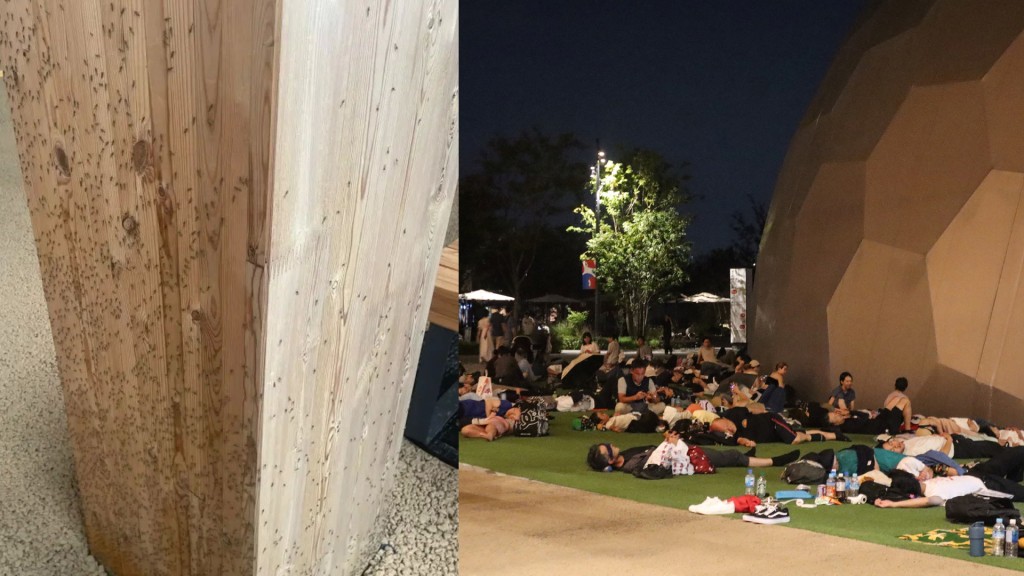
The western bus exit was also overwhelmed on that day, paralyzing road traffic and forcing guests to shelter overnight in the pavilions; 36 people required hospitalization.
The metro operator and Expo organizers apologized and delayed the next day's opening by an hour.
Moreover, a June fireworks event in collaboration with the Expo has left 6,000 visitors waiting for buses until midnight due to traffic delays. Entry systems have also been criticized, as poor network signals in remote pavilions cause long queues.
Despite installing cooling measures after 28 heatstroke cases—including one fatality—many open-air venues remain a risk.
since winning the bid for organizing the Expo in 2018, Japan has been plagued by problems, especially financially.
The original budget of 64 billion yen for the Expo surged to 121 billion yen by 2023—nearly doubling—due to the pandemic and yen depreciation.
Despite the rising costs, construction lagged, with only eight overseas pavilions completed just a month before opening.
Several countries withdrew due to funding or political issues, while Nepal's pavilion remained unfinished until late July.
The organizer initially expected the ticket sales could cover 80 percent of the operating costs, projecting 18 million ticket sales would break even. However, the public interest was low—only 9.7 million tickets were sold by opening day.
Although the ticket sales later reached 18 million as of mid-August, officials revised the target to 23 million ticket sales due to discounts and rising costs.
With barely a month left and weekly attendance below one million even in peak season, meeting the new goal seems unlikely.
Beyond ticket revenue, the government had hoped the Expo would draw 28 million visitors, generating over 100 billion yen in economic benefits and boosting future development on Yumeshima -- where an integrated resort with a casino is planned for 2029.
Former prime minister Fumio Kishida said that the integrated resorts could generate an annual revenue target of approximately 30 billion yen, aiming to attract six million international tourists and 14 million domestic Japanese tourists each year.
Some analysts assert that without significant improvements to transportation and infrastructure, Yumeshima may perpetuate its "isolated island" reputation.
Moreover, the organizers' preparations have faced criticism for being disorganized, lacking the meticulous attention to detail typically associated with Japanese standards.
The pest control plan was notably absent prior to the Expo's opening. In early May, following rainfall, water accumulation around the venues attracted insects, which proliferated in the warm weather, thereby detrimentally affecting the overall visitor experience.
Additionally, while the design of the venue's restrooms highlights sustainability, it is being questioned as unexpectedly minimalistic with its astonishing cost of over 10 million yen. Concerns regarding hygiene and safety were also raised in relation to the children's restrooms, which feature an open design.