Thailand, once celebrated as Asia's first country to legalize recreational cannabis in 2022, is now scrambling to reverse its controversial policy amid rising public health concerns and social disorder.
The government has announced strict new measures to restrict cannabis solely to medical use, marking a dramatic policy shift just three years after its groundbreaking legalization.
From economic boom to public health crisis
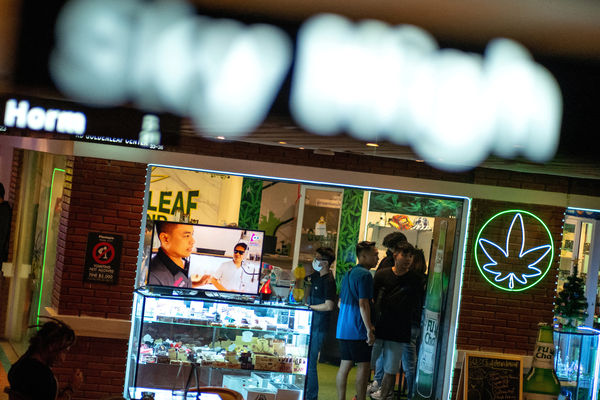
When Thailand legalized cannabis, it envisioned an economic windfall. The move sparked a "green rush," with cannabis dispensaries, cafes, and even cannabis-infused products like tea and ice cream flooding tourist hotspots.
Estimates suggested the industry generated over HK$6.7 billion in its first six months, with annual growth exceeding 15 percent.
However, the unintended consequences soon became apparent.
A study by Thailand's Centre for Addiction Studies revealed that cannabis use among Thais aged 18 to 65 skyrocketed from 2.3 percent in 2019 to 25 percent by mid-2023. Most alarmingly, usage among 18- and 19-year-olds surged from less than 1 percent to 10 percent in just four years.
Public health costs related to cannabis addiction and mental health issues have also exploded, increasing sixfold since legalization.
Meanwhile, police have reported a rise in cannabis-related incidents, including a British tourist who broke into a shop while high and a 100-person drug party in Bangkok where cannabis, ecstasy, and ketamine were seized.
Smuggling surge
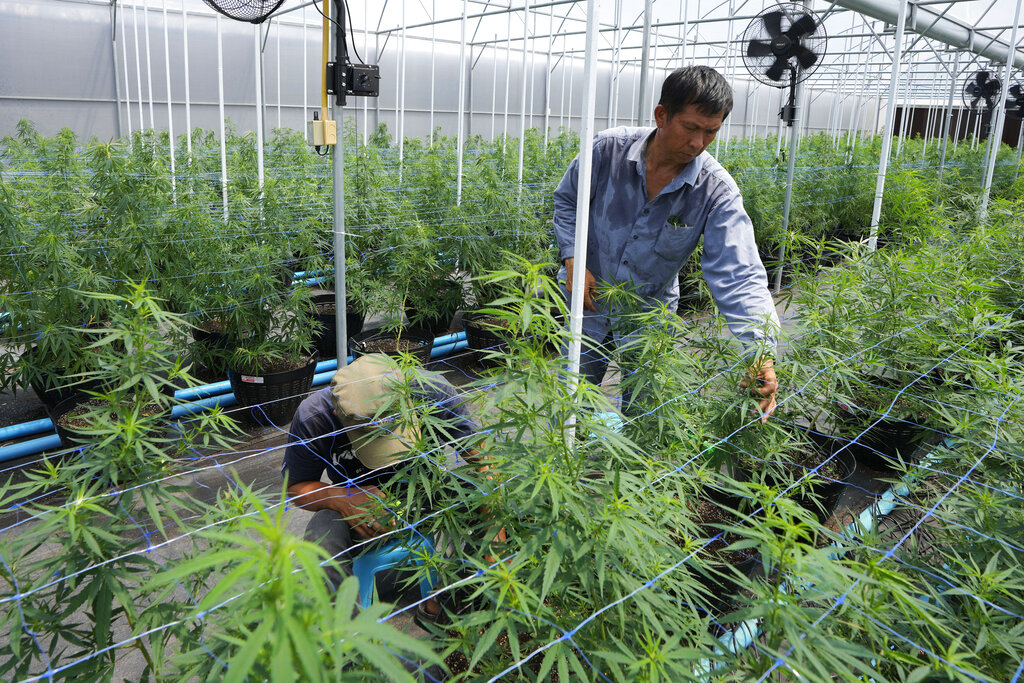
The rapid expansion of cannabis cultivation led to oversupply, crashing prices and leaving many farmers in financial ruin. Some turned to smuggling excess cannabis abroad.
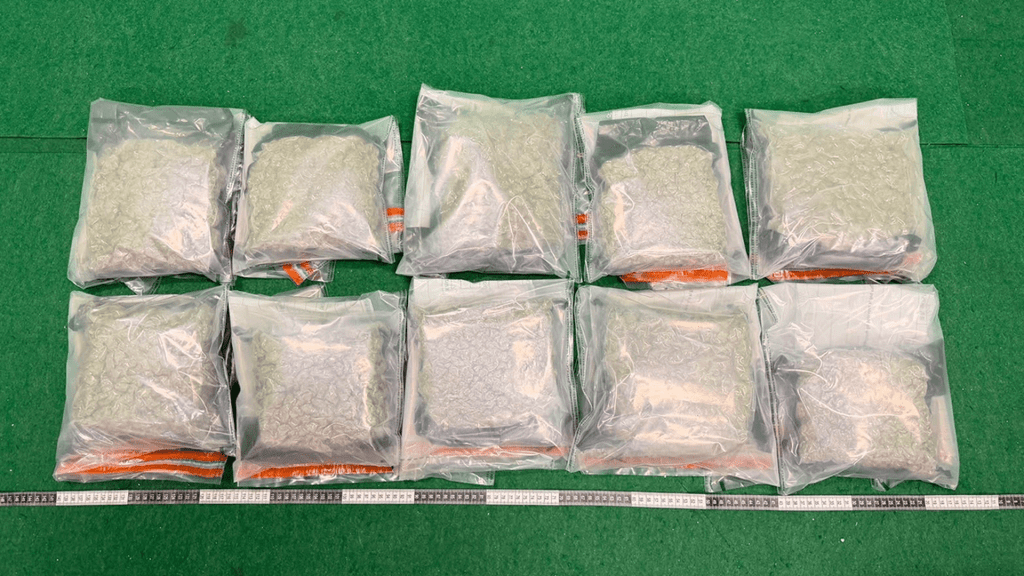
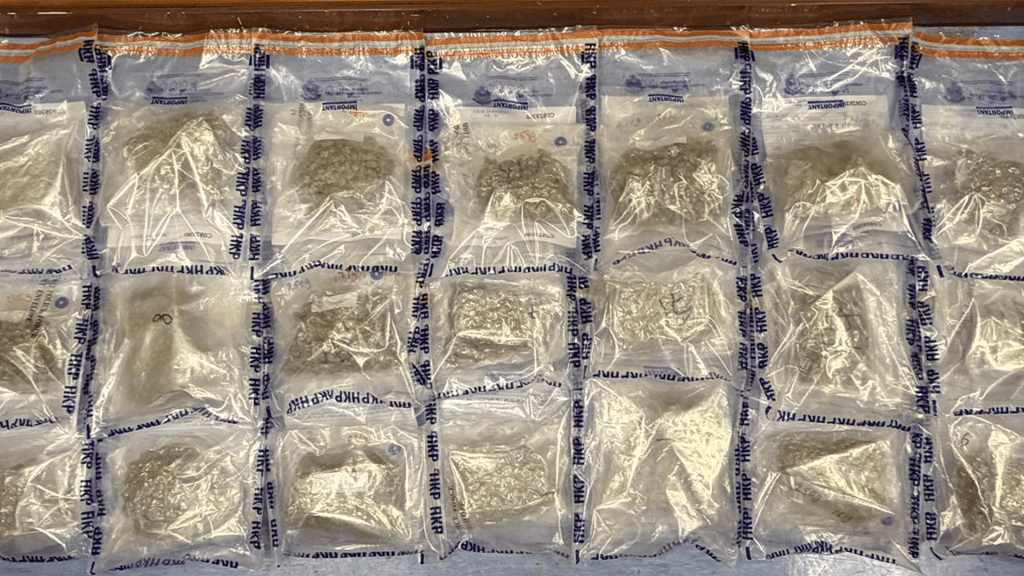
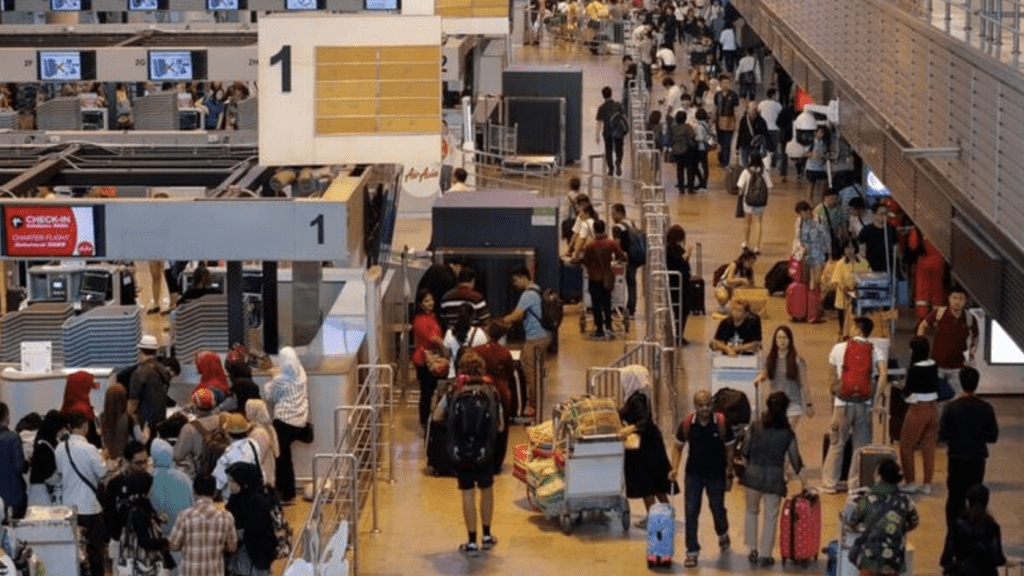
Hong Kong customs recently intercepted a woman arriving from Bangkok with 5kg of cannabis worth HK$1.2 million.
The policy reversal is also politically charged.
The family of Thai Prime Minister Paetongtarn Shinawatra, daughter of former leader Thaksin, has strong rural support. Many farmers, initially encouraged to switch from rice and vegetables to cannabis, now face barren fields and debt.
Analysts suggest the crackdown is partly aimed at appeasing this key voter base.
New rules: Medical use only
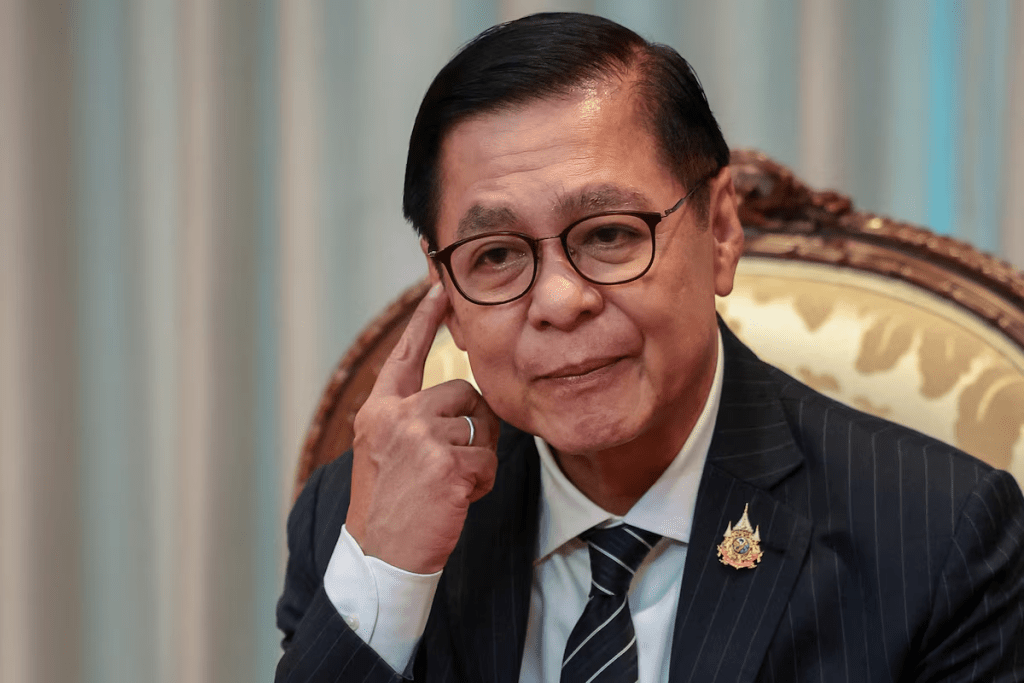
Public Health Minister Somsak Thepsuthin announced that by mid-June, recreational cannabis will be banned. Only patients with prescriptions for conditions like epilepsy, chronic pain, or insomnia can legally access it—and even then, possession is limited to a one-month supply. Violators risk jail time.
The abrupt reversal has sparked a backlash from businesses that invested heavily in the legal cannabis trade. Experts doubt the government can fully dismantle the industry overnight, given its deep roots.
What’s next? Casinos on the horizon?
Thailand's initial legalization was seen as the first step toward a broader "vice tourism" strategy, including potential casino legalization.
The government is already in talks with major casino operators like Wynn Resorts and MGM, with bidding possibly starting by 2027.
But for now, the focus is on cleaning up the cannabis mess. As Somsak stated, "We are returning cannabis to its medical purpose—this is a necessary correction."
Whether Thailand can successfully backtrack without economic and social fallout remains to be seen.
(Marco Lam)