Read More
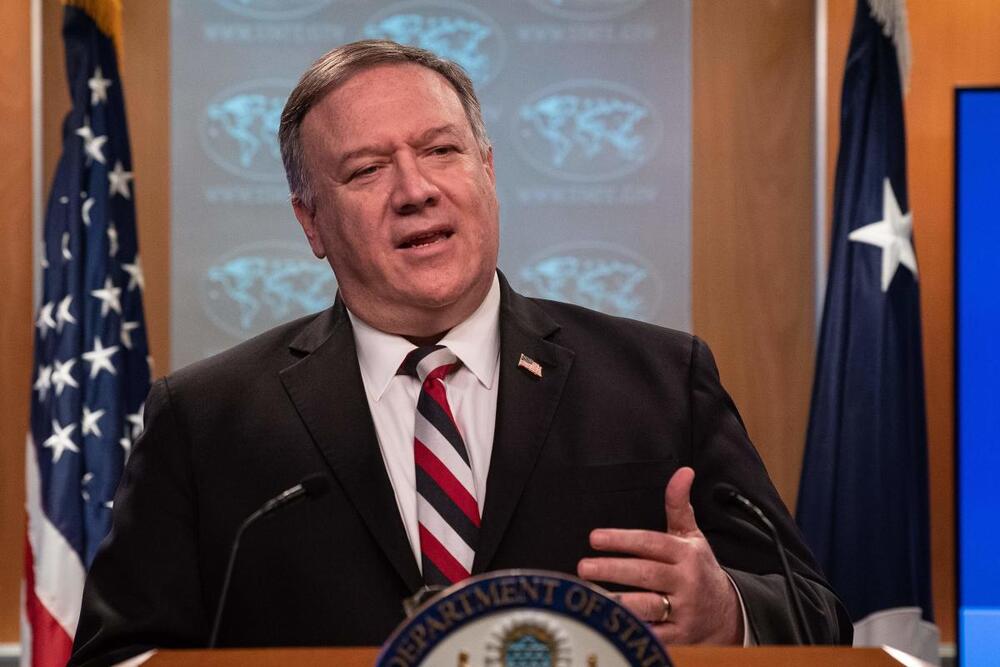
U.S. Secretary of State Mike Pompeo on Wednesday called for a big expansion of U.S. government curbs on Chinese technology, saying that it wants to see “untrusted Chinese apps” pulled from the Google and Apple app stores.
ADVERTISEMENT
SCROLL TO CONTINUE WITH CONTENT
Pompeo called out popular video app TikTok and the messaging app WeChat, which people in the U.S. use to communicate with others in the U.S. and China, as “significant threats to the personal data of American citizens, not to mention tools for CCP content censorship.” CCP refers to the Chinese Communist Party.
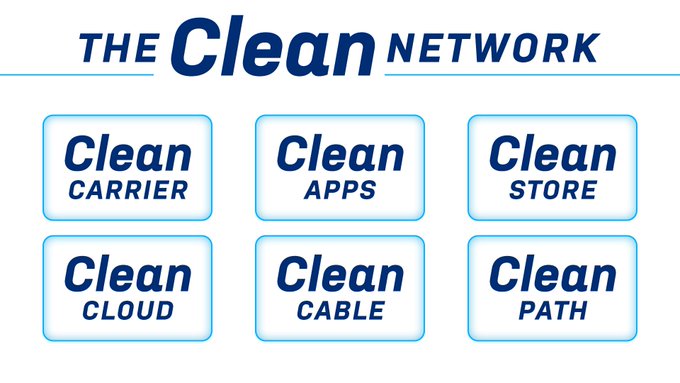
Pompeo said expanded U.S. efforts on a program it calls “Clean Network” would focus on five areas and include steps to prevent various Chinese apps, as well as Chinese telecoms companies, from accessing sensitive information on American citizens and businesses.
Pompeo said the United States was working to prevent Chinese telecoms firm Huawei Technologies Co from pre-installing or making available for download the most popular U.S. apps on its phones.
“We don’t want companies to be complicit in Huawei’s human rights abuses, or the CCP’s surveillance apparatus,” Pompeo said, without mentioning any specific U.S. companies.
Pompeo said the State Department would work with other government agencies to protect the data of U.S. citizens and American intellectual property, including coronavirus vaccine research, by preventing access from cloud-based systems run by companies such as Alibaba, Baidu, China Mobile, China Telecom, and Tencent.
Pompeo said he was joining Attorney General William Barr, Secretary of Defense Mark Esper, and Acting Homeland Security Secretary Chad Wolf in urging the U.S. telecoms regulator, the Federal Communications Commission, to terminate authorizations for China Telecom and three other companies to provide services to and from the United States.
He said the State Department was also working to ensure China could not compromise information carried by undersea cables that connect the United States to the global internet.
Outside experts called Pompeo’s proposal vague and possibly illegal.
The U.S. government has already been cracking down on Chinese technology companies. For instance, it has long singled out telecom equipment provider Huawei, encouraging allies not to use its equipment in their high-speed 5G wireless networks and banning U.S. telecom companies from using government funds for equipment and services from Huawei and ZTE, another Chinese telecom equipment provider.
Citing national security concerns, it has also barred Google from providing its Android apps such as Google Maps for Huawei phones. The Federal Communications Commission is considering barring operations of Chinese telecom companies China Telecom and China Unicom, which provide services in the U.S., due to national-security concerns.
President Donald Trump has also threatened to ban TikTok, although the legal basis for such a move remains uncertain.
“It’s a PR stunt. No specifics. It’s an objective,” George Washington University professor Susan Ariel Aaronson said by email.
Eurasia Group analyst Paul Triolo said the U.S. government is trying to push its allies and companies to stop using Chinese gear and software “at all levels of their communications networks, from the internet backbone to app stores.” That includes calling for companies to yank their apps from Huawei’s app store, which advertises that it contains apps from European and U.S. companies like travel service Booking and Amazon.
The legal authority for the administration to take action against apps and app stores is unclear, Triolo write in a research note. The State Department did not immediately a question seeking information about the legal authority the administration could use to justify such measures.
The initiative is meant to force countries and companies to choose sides between the U.S. and China, Triolo said. He expects many companies and governments to resist.-AP/Reuters
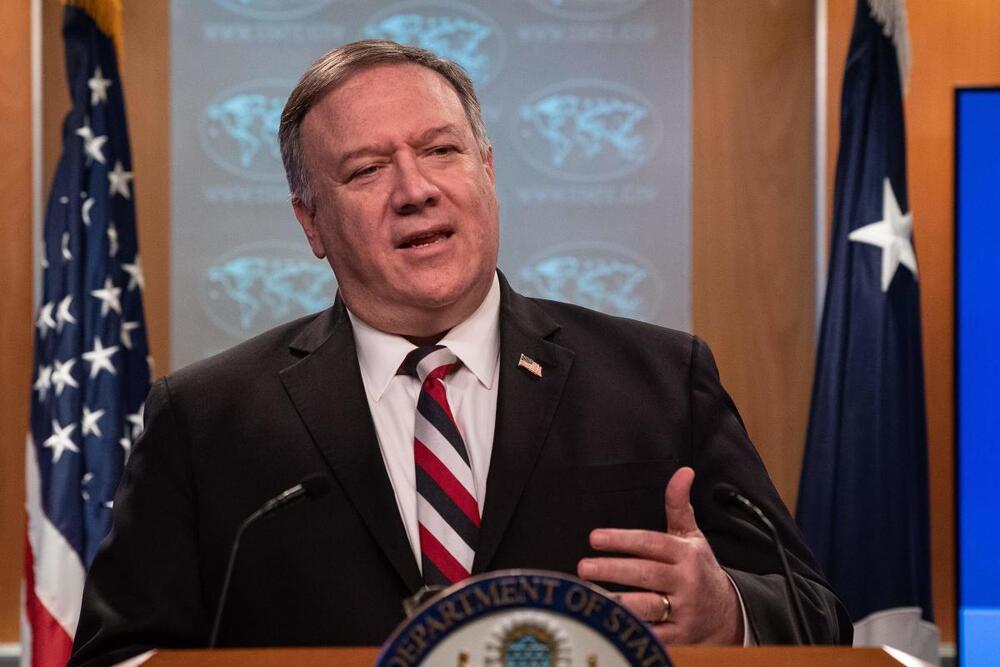
US Secretary of State Mike Pompeo says efforts on a program called 'Clean Network' would focus on five areas and include preventing Chinese apps, and Chinese telecos, from accessing sensitive information on Americans and business.