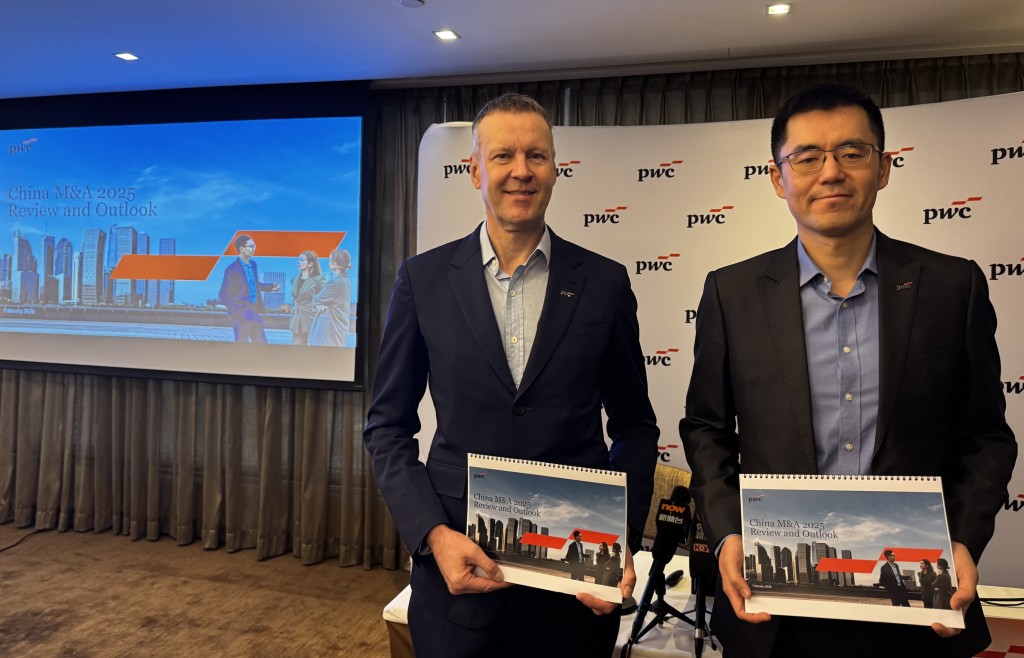
China's mergers and acquisitions market’s total disclosed deal value exceeded US$400 billion (HK$3.12 trillion) in 2025, recording a significant 47 percent year-on-year increase, driven by domestic strategic investments in technology, according to PwC's China M&A 2025 Review and Outlook.
China's deal volume surpassed 12,000 transactions, up nearly 20 percent compared with the previous year, of which 30 percent of the deals were domestic strategic investments, with a total deal value of US$239 billion, up 83 percent year-on-year. 34 of which were mega-deals, and more than half were led by state-owned enterprises with a strong focus on national strategic industries such as semiconductors, artificial intelligence, and new energy, reflecting deepening industry consolidation and upgrading under policy guidance.
Matthew Phillips, PwC China financial services industry leader, said a recovery in capital market valuations and the revival of the IPO market are leading factors to the robust growth in the domestic M&A market in 2025.
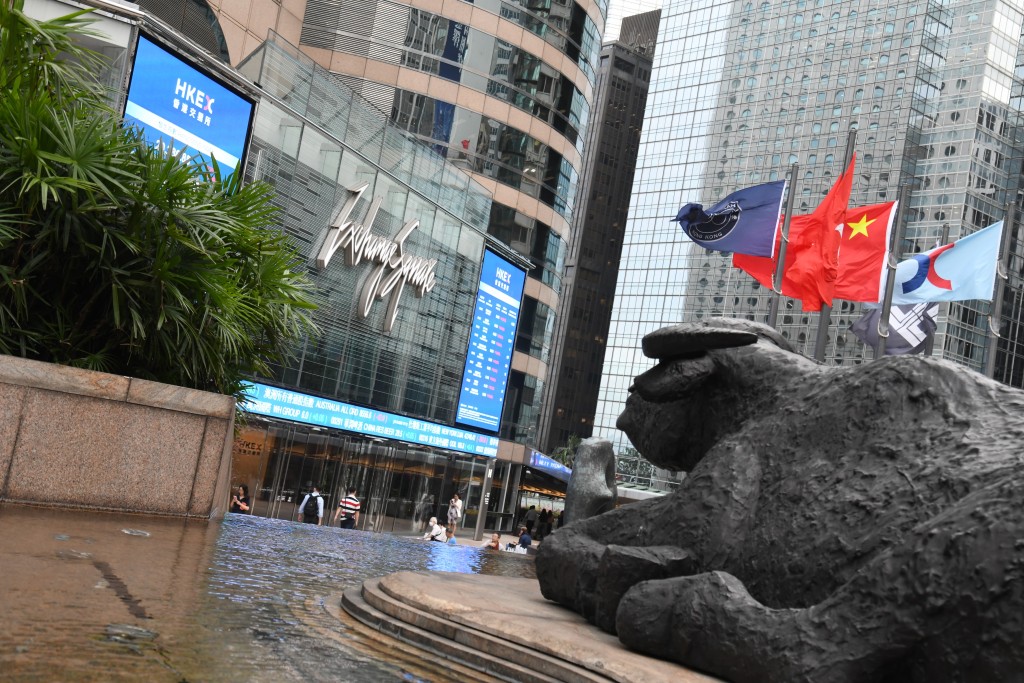
There were 70 IPO exits on the Hong Kong Stock Exchange in 2025 and PwC predicted that around 150 companies would successfully list in Hong Kong in 2026, raising between HK$320 billion and HK$350 billion.
Among financial sectors, private equity funds completed 1,189 purchases, earning US$139 billion, representing a 14 percent and 16 percent year-on-year increase, respectively. 14 PE mega-deals were closed in 2025, with 8 led by state-backed funds. Major capital was mainly directed toward high-tech, industrial products, and healthcare sectors. M&A exits accounted for the largest shares in PE fund exits.
The venture capital market also performed well as artificial intelligence, AI-enabled applications, and robotics boomed, with transaction volume reaching a record high of 7,382 deals, of which the high-tech sector accounted for 42 percent of the total.
Phillips added that Chinese enterprises are expected to deepen their outbound expansion in Southeast Asia and Europe, strengthening supply chains and enhancing global competitiveness.
Gloria Leung