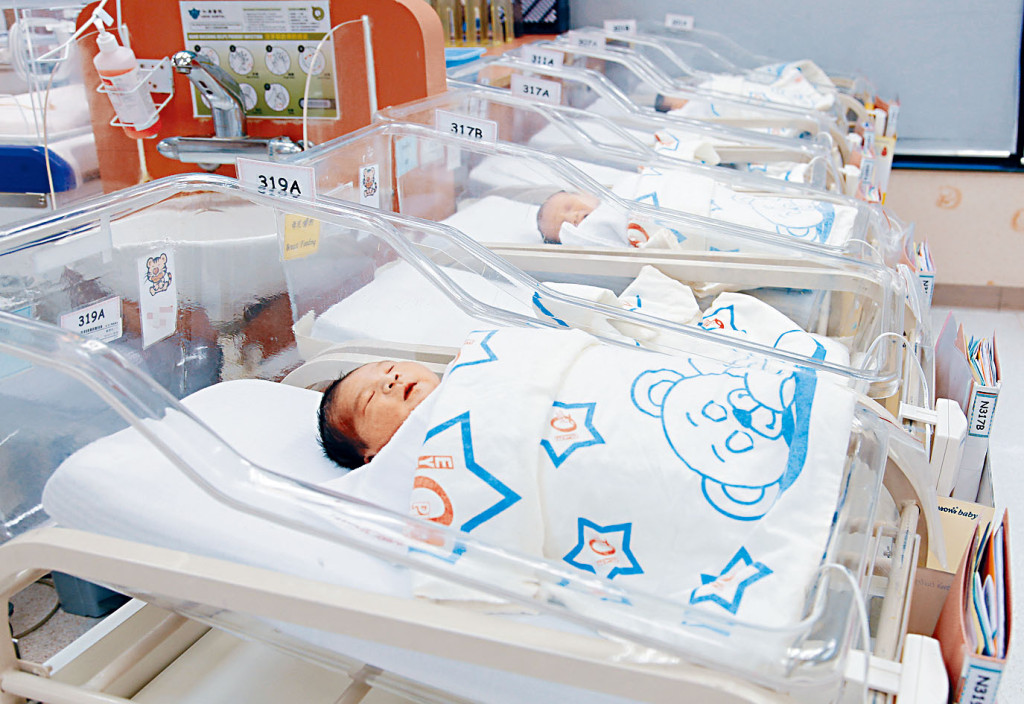
Hong Kong faces a demographic crisis as its birth rate remains alarmingly low. Despite a slight 11 percent increase to 36,700 births in 2024, this figure is still the third-lowest since 1961.
The rise is partly attributed to the Year of the Dragon and the HK$20,000 cash handout for newborns introduced in October 2023. Yet, with a fertility rate of just 0.84, Hong Kong must rethink its approach to incentivize parenthood.
Why financial incentives fall short
The HK$20,000 handout is insufficient in a city with soaring living costs. Families face challenges such as sky-high housing prices, expensive childcare and long working hours.
In comparison, mainland China, with a birth rate of 1.03, offers annual childcare subsidies of 3,600 yuan (HK$3,900) per child until age three.
South Korea, with the world’s lowest fertility rate of 0.75, provides 29.6 million won (HK$172,380) in child support over eight years, fully paid maternity leave for six months, and salary subsidies for small businesses. One firm even offers 100 million won per newborn.
South Korea has also proposed writing off outstanding loans for new couples based on the number of children they have, raising subsidies for children up to the age of 18, and providing funding for infertility treatments.
Singapore, with a birth rate of 0.97, offers at least S$5,000 (HK$29,000) per child, with an additional S$11,000 (HK$64,000) for the third and subsequent child. And Japan, with a birth rate of 1.15, offers a lump-sum payment of 500,000 yen (HK$27,000) per birth, and a monthly allowance of 30,000 yen for the third child and beyond.
Think outside the box
Hong Kong must act boldly to address its fertility crisis. Financial support is important, but it must be coupled with policies that ease the broader challenges of raising children.
For instance, the government could:
- Extend tax incentives for families with children;
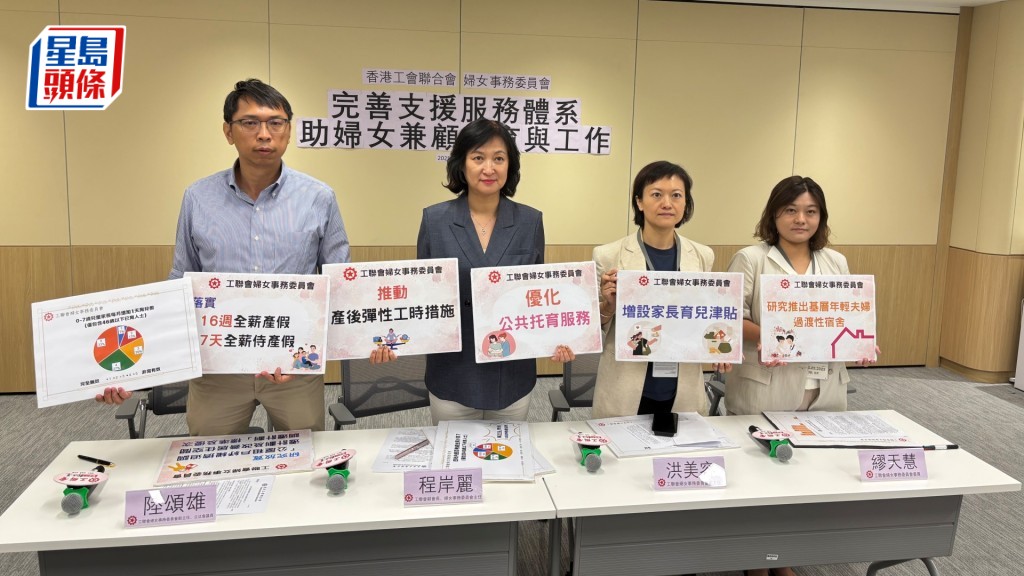
- Increase paid parental leave and subsidize childcare costs;
- Create flexible work policies to improve work-life balance;
- Organize community events like speed-dating and singles’ mixers, develop dating platforms tailored to Hong Kong’s culture; and
- Create social spaces in urban areas to encourage organic interactions.
Additionally, as the city becomes home to more overseas and mainland workers, extending family benefits to them could encourage them to settle and raise families in Hong Kong.
Hong Kong’s fertility rate is not just a social issue – it’s an economic one. A shrinking population will negatively impact workforce numbers, consumer spending, and overall economic growth.
By learning from the successes of other nations and tailoring policies to Hong Kong’s unique challenges, the city can create an environment where having children is not only affordable but also desirable.
Without bold action, Hong Kong risks facing an irreversible population decline that could hinder its growth and prosperity for generations to come.