Amina Jukovic
Students looking to further their education in Germany will face key changes that could affect their study plans and finances. From increased financial requirements to new employment opportunities, the country has introduced several changes to help students better navigate their studies.
Studying-In-Germany has compiled the most crucial updates and new regulations happening in Germany in 2024 and 2025, that current and prospective students need to know:
1) Blocked account requirement increases to 11,904 euros (HK$98.107). Starting September 1, the amount required in the blocked account for international students who want to study in Germany has increased by 696 euros, bringing the total to 11,904 euros per year or 992 euros per month.
2) Minimum wage increase to 12.82 euros per hour. From January 1, Germany's legal minimum wage has risen to 12.82 euros per hour, resulting in a minimum monthly gross salary of 2,151 euros for full-time workers (40-hour week).
3) Tuition fees at TU Munich for Non-EU students. The Technical University of Munich will begin charging tuition fees for international students from non-EU countries starting in the winter semester of 2024/25.
4) Million-euro grant for EU's Erasmus+ Program. This year and the next, German universities will receive around 220 million euros to support international mobility through the Erasmus+ Program. From this, 186 million euros will be used to support student and staff exchanges abroad.
5) Employment opportunities for international students. Since March 1, international students in Germany have benefited from extended working rights due to the Skilled Worker Immigration Act, including:
increased work hours.
part-time work opportunity when applying to German universities.
more opportunities for apprenticeships.
6) New nationwide DeutschlandTicket for students. This year, students at German universities can benefit from a new nationwide semester ticket based on the DeutschlandTicket. This ticket costs just 29.40 euros per month, 40 percent cheaper than the regular price. It allows students to travel across Germany at no additional cost.
7) Better economic outlook and expectations for 2025. Germany's GDP is expected to grow by 1 percent in 2025, with inflation easing to percent.
The labor market will remain stable with a low unemployment rate of around 3.1 percent. This will provide good opportunities for students looking for part-time work or internships.
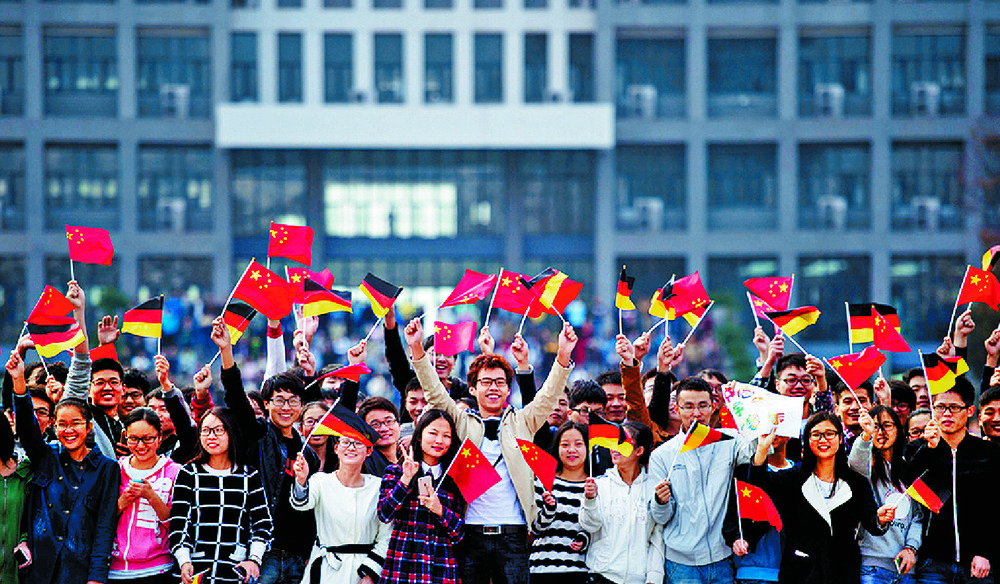
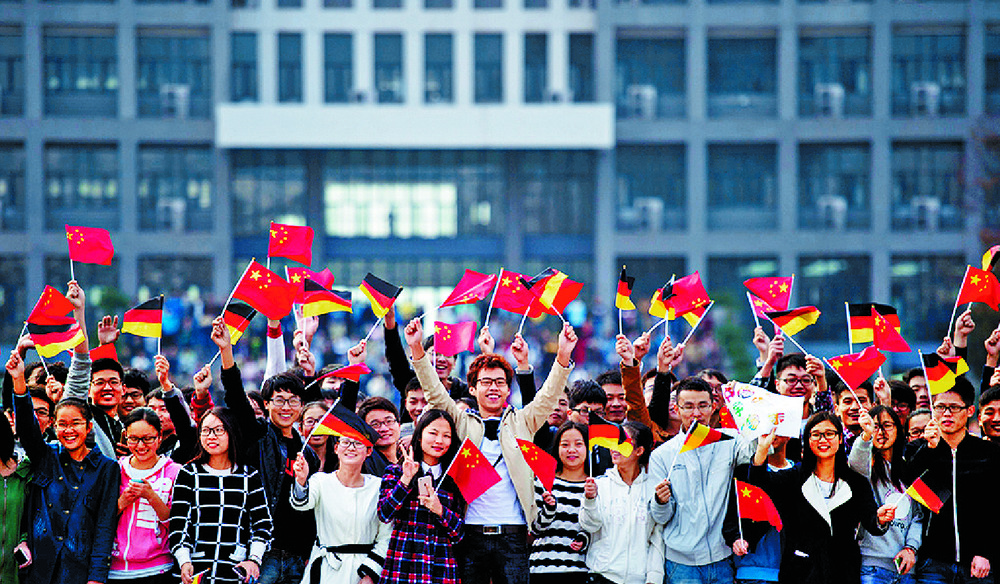
China is the second leading country with the most international students at German universities, with 39,137 Chinese students enrolled in the last academic year. Given this, these updates are vital for those planning to study in Germany, ensuring they are well-prepared for the academic year.
Learn more about these as well as other changes and updates in the German education system on studying-in-germany.org/must-know-changes-for-students-in-germany-in-2025/
Amina Jukovic is an academic advisor at Studying-in-Germany