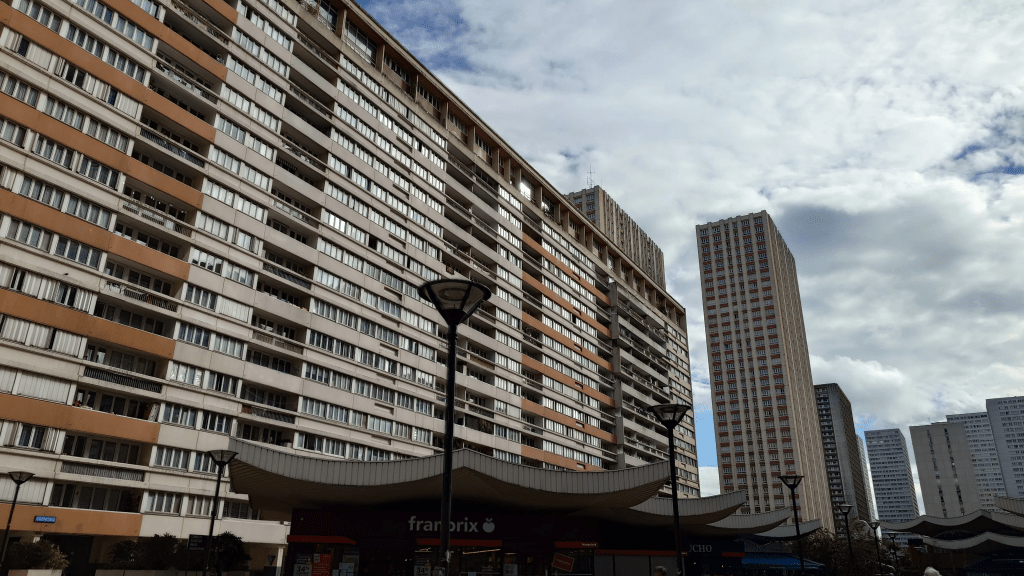
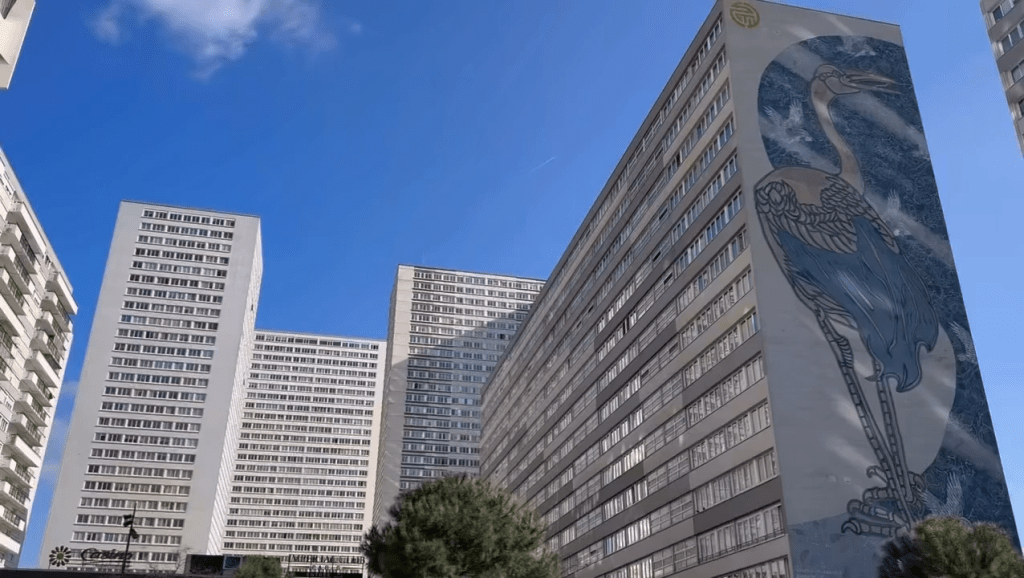
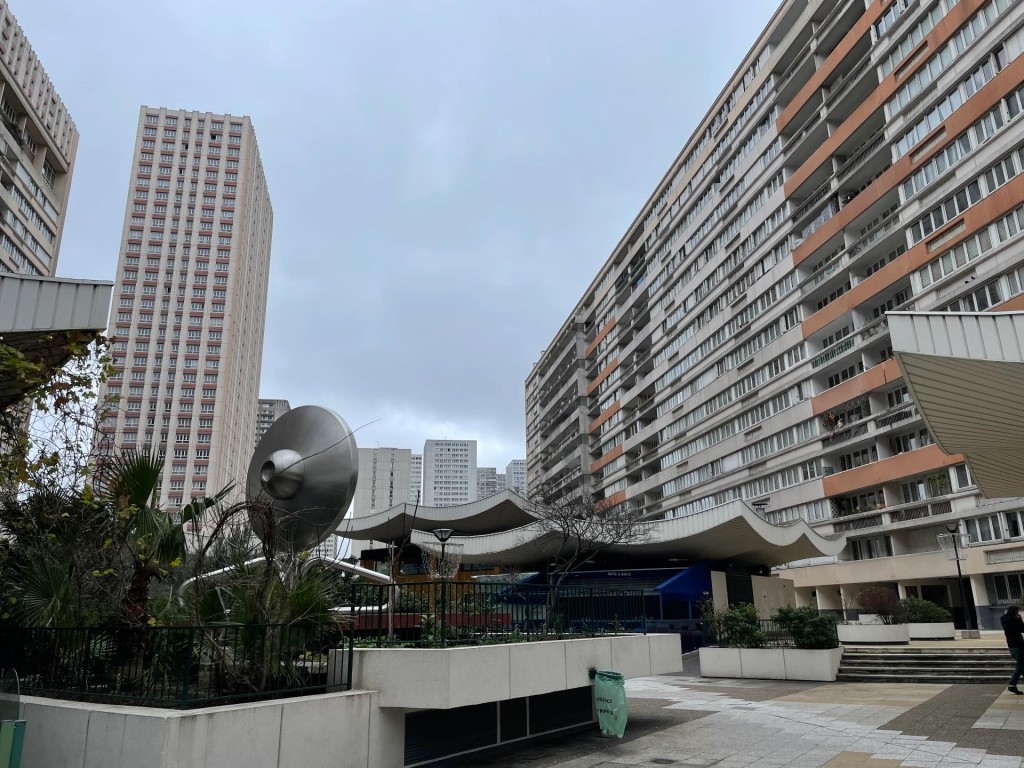
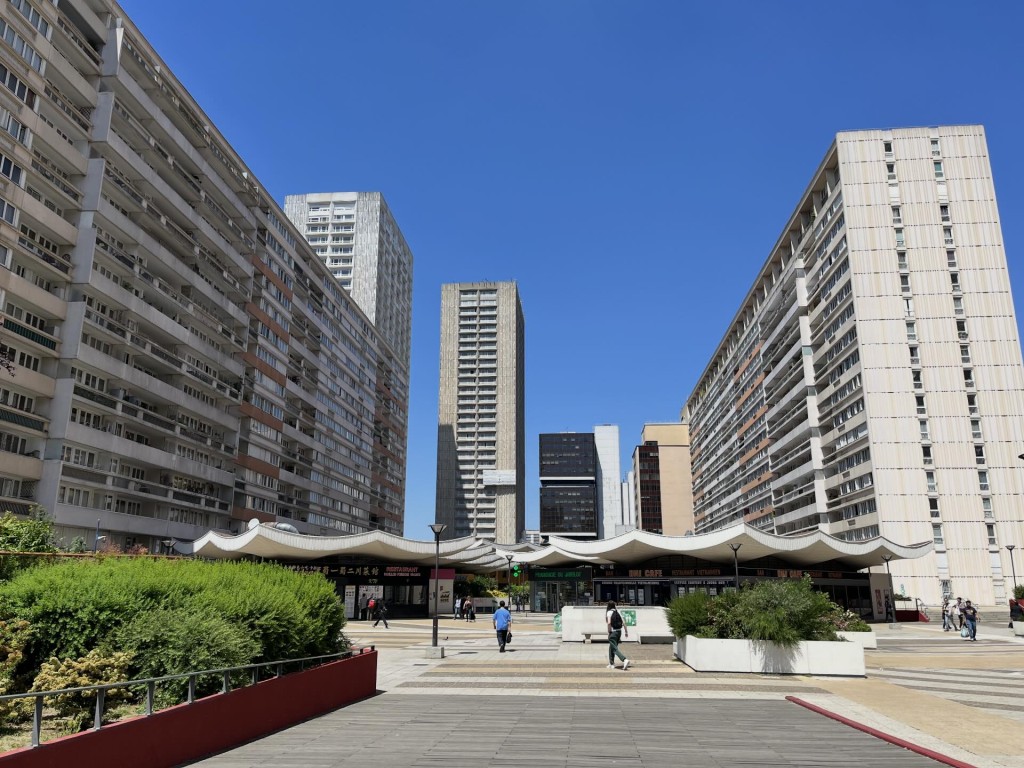
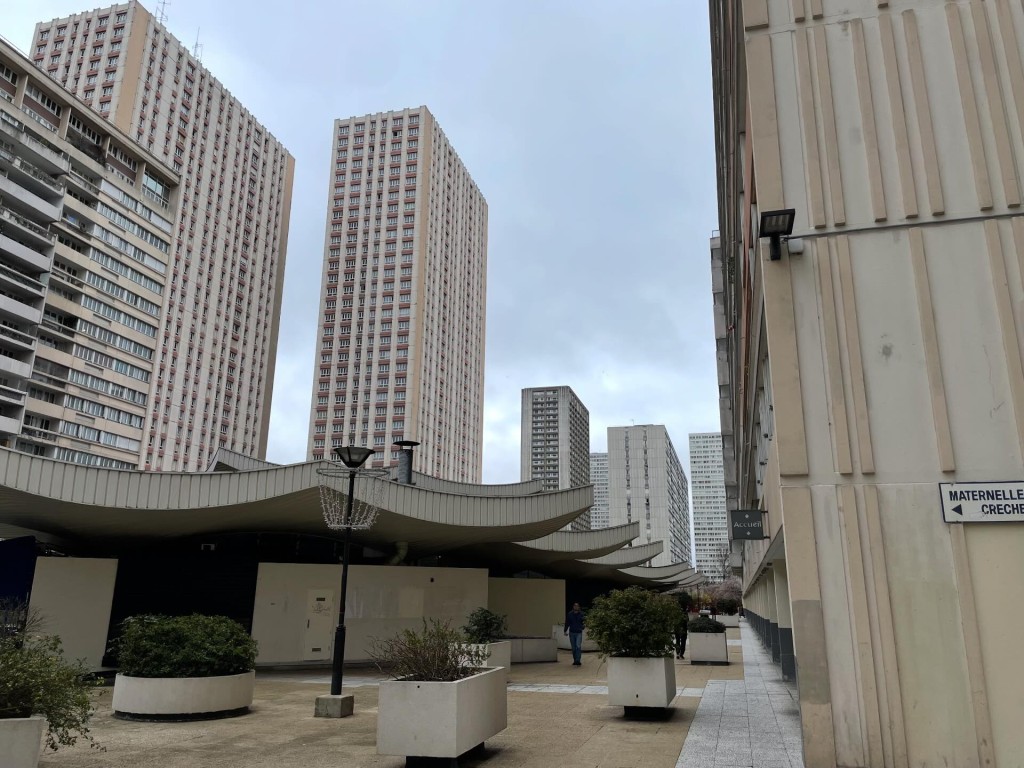
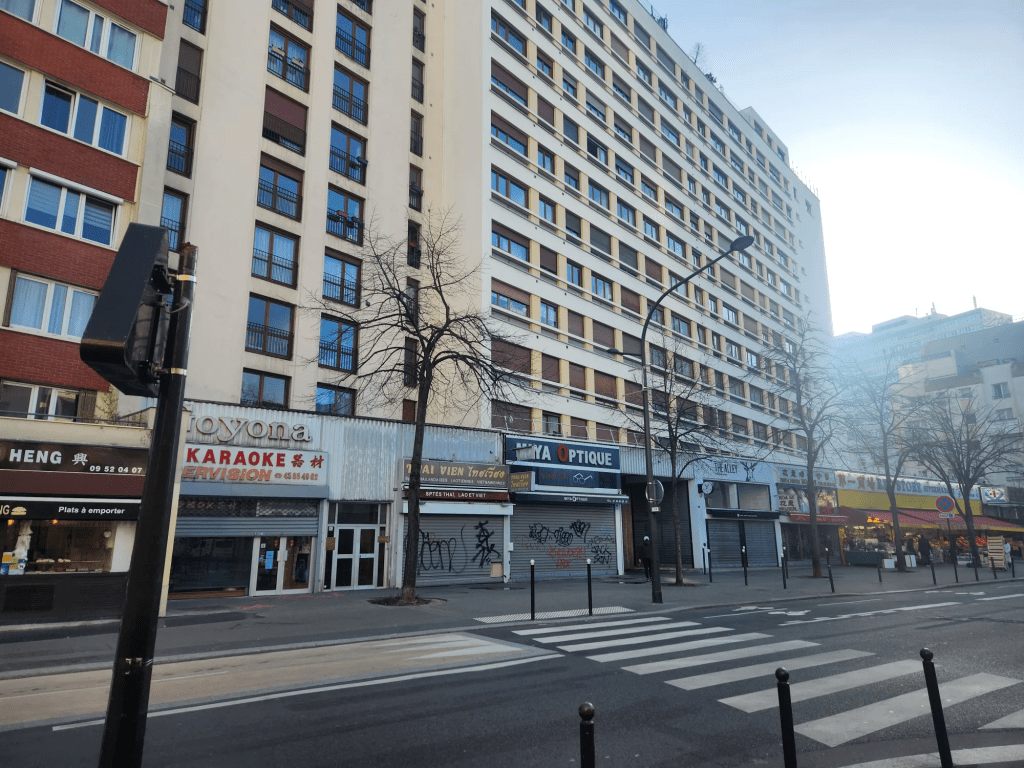
With its similarly compact buildings, aligned windows and central plaza, a neighborhood in Paris has sparked a strong sense of déjà vu for a Hong Kong traveler—as if he had briefly wandered back home.
ADVERTISEMENT
SCROLL TO CONTINUE WITH CONTENT
The discovery was made during the traveler’s recent visit to Paris’ 13th arrondissement, where he had stopped nearby for a bowl of Vietnamese pho.
Struck by the familiar look of the surrounding residential blocks, he shared photos online, asking, “Suddenly felt like I was back in Lek Yuen Estate in Sha Tin, does anyone else feel the same?”
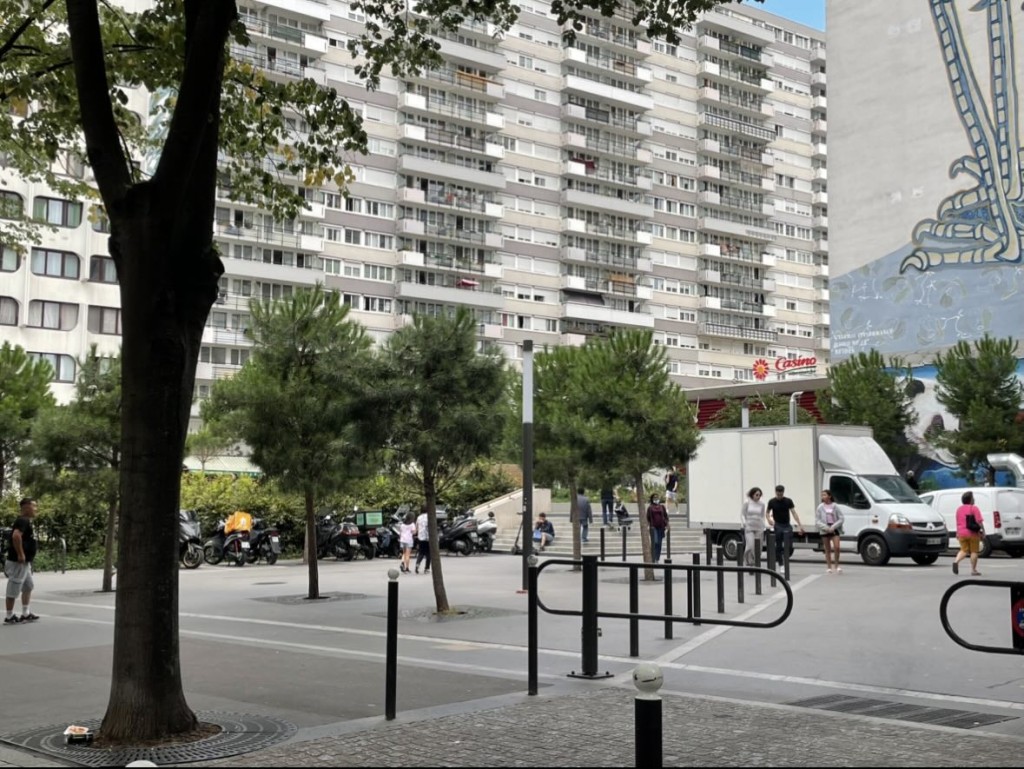
The images showed tall residential towers arranged around a central plaza, including one building featuring a wall mural of a blue bird.
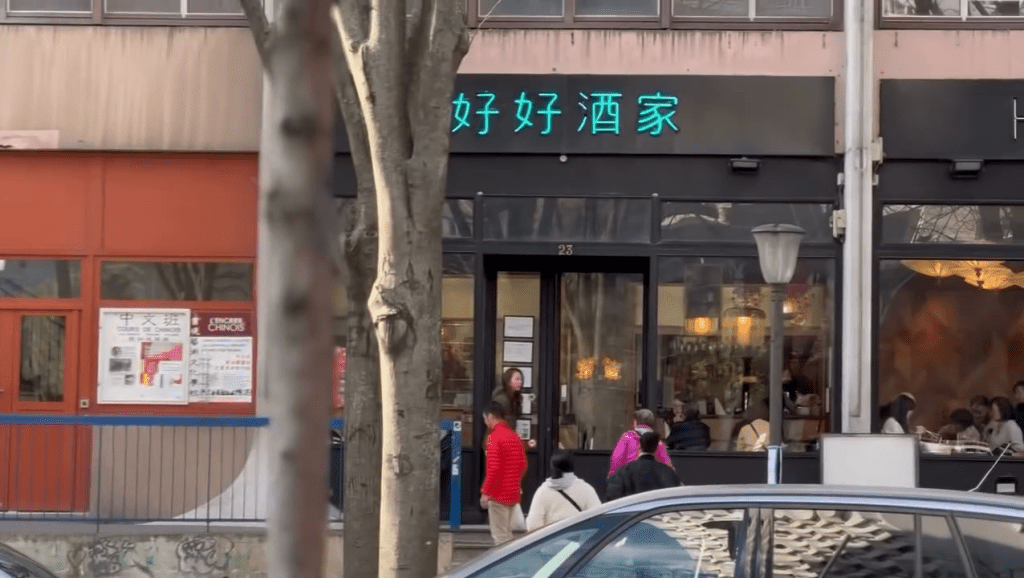
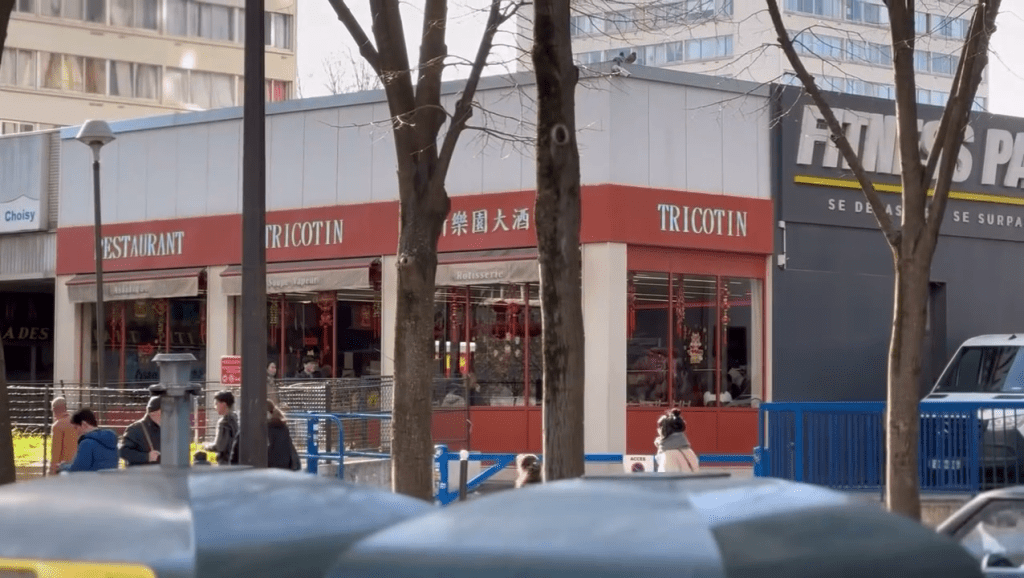
The poster later uploaded a follow-up video showing Chinese shop signs such as “Lok Yuen Restaurant” and “Ho Ho Restaurant,” further adding to the sense of familiarity.
+1
The post quickly resonated with netizens, many of whom said they shared the same impression.
“If you hadn’t told me, I would have thought this was Sha Tin,” one commenter wrote.
Another recalled having a similar experience, saying that photos taken in the area had led friends to mistake them for scenes in Hong Kong.
The original poster also described the experience as feeling like walking through familiar streets, comparing it to “Sha Tin Road, turning into the tunnel towards New Town Plaza, and suddenly looking up at Lek Yuen Estate.”
Beyond Lek Yuen, some netizens said the area also reminded them of Wong Tai Sin and Tuen Mun, mentioning estates such as Chuk Yuen and Tai Hing.
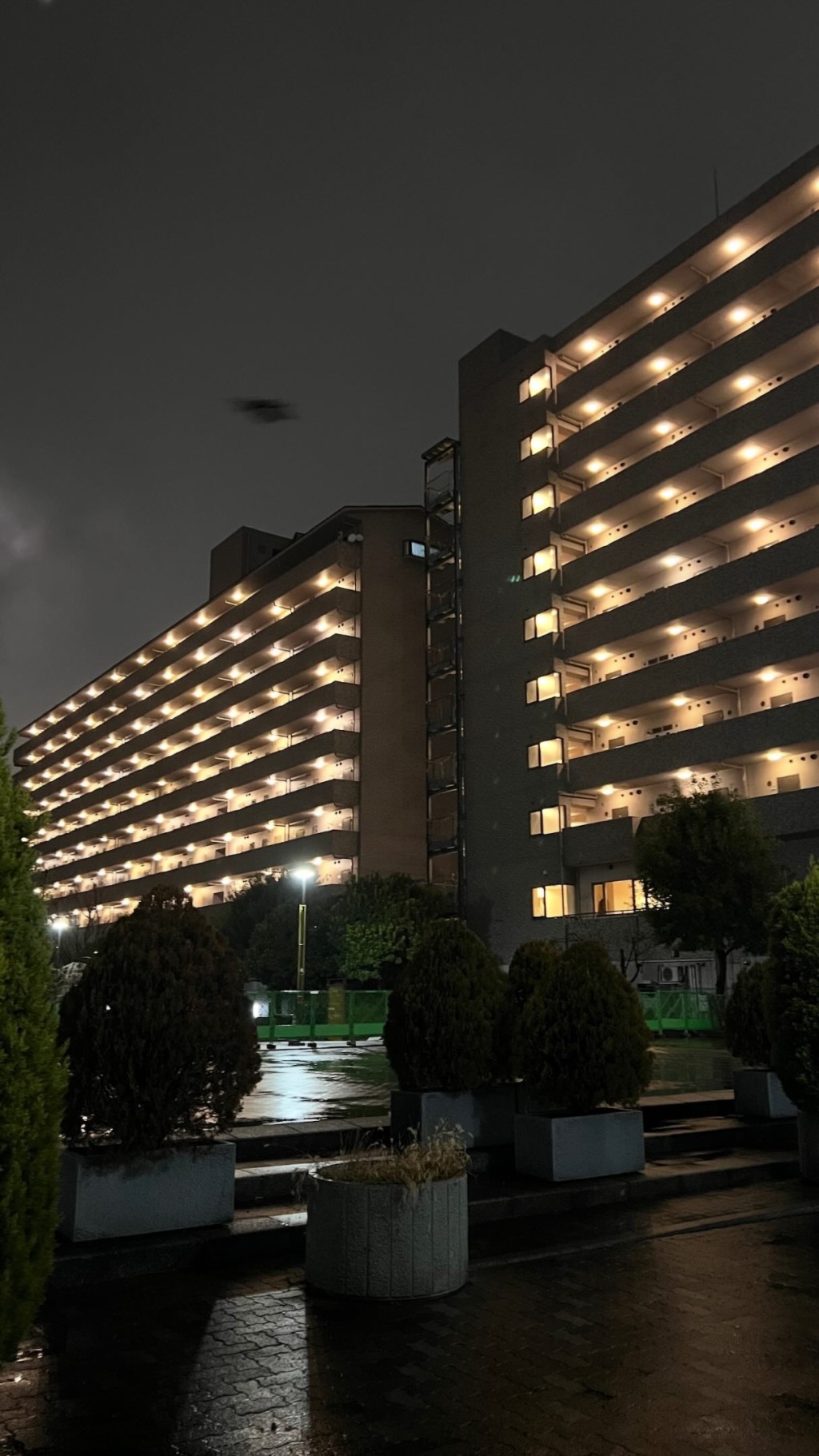
A separate nighttime photo shared online, showing wet streets glowing under streetlights with rows of apartment windows lit up, was described by one user as “a bit like Tuen Mun.”
Some pointed out that the resemblance may not be coincidental, but rooted in shared architectural ideas.
A commenter noted that both Hong Kong’s public housing estates and parts of Paris were influenced by the “Radiant City” concept proposed by French-Swiss architect Le Corbusier.
In Hong Kong, the development of satellite towns in the 1970s adopted modernist principles such as high-density living, elevated walkways and integrated podium designs to meet housing demands.
Similarly, parts of the 13th arrondissement in Paris, developed around the same period, drew on comparable planning concepts, with one commenter describing the area as the “master” of Hong Kong’s estates.
Beyond architecture, some users said they found unexpected touches of Hong Kong in the neighborhood.
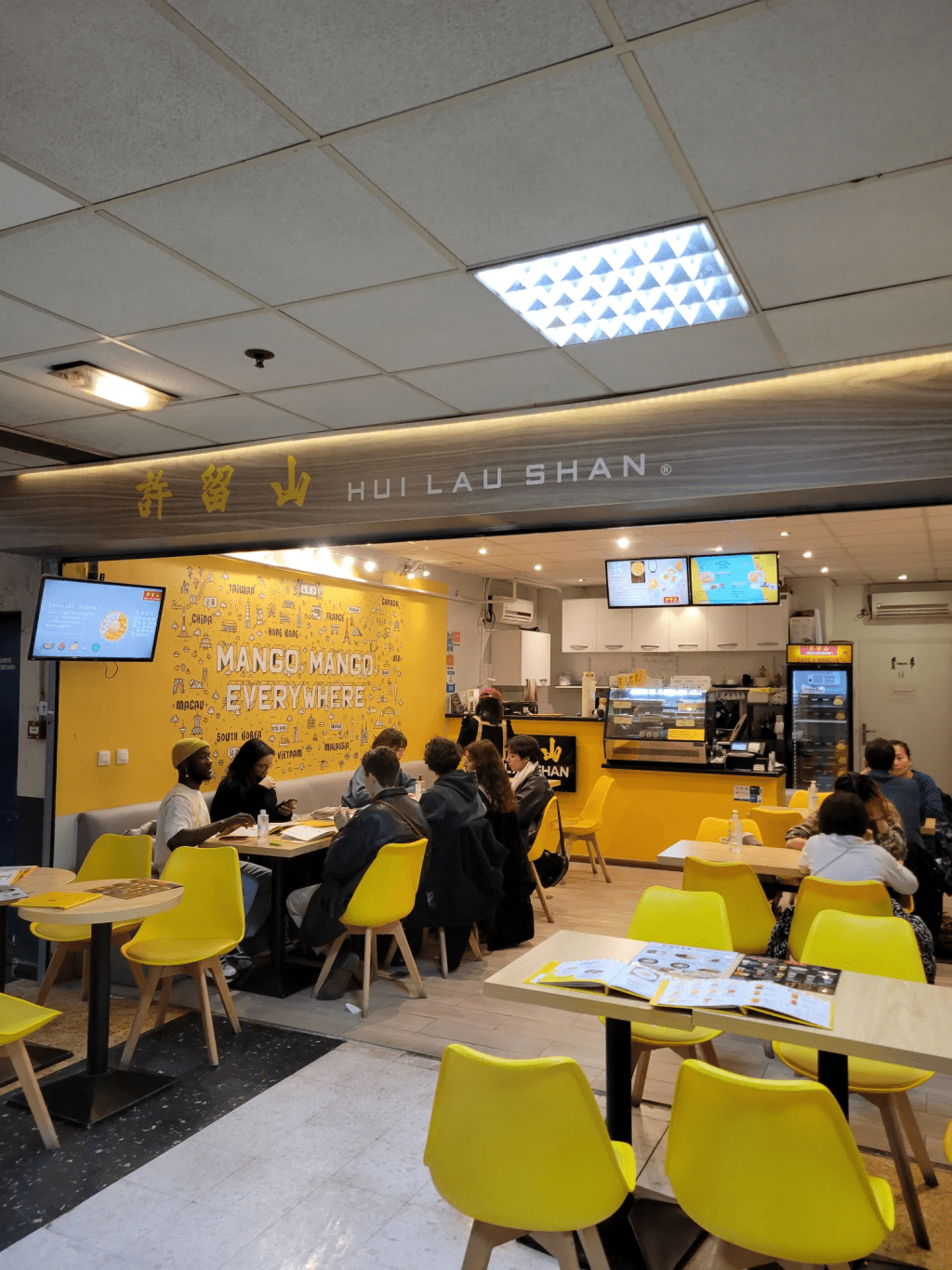
One noted spotting the closed dessert chain Hui Lau Shan, recognizable by its distinctive yellow interior, inside what was described as a “shabby Paris shopping mall.”
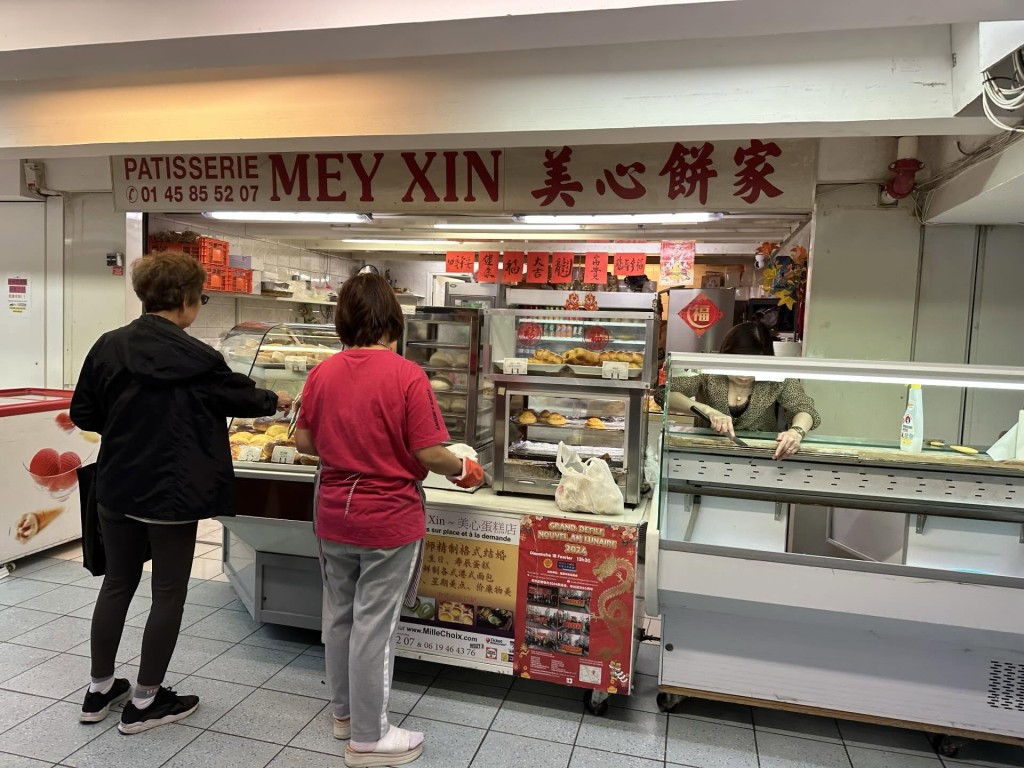
Others shared photos of a bakery named “Mey Xin,” whose name and storefront resembled Hong Kong’s Maxim’s brand.
More surprisingly, cooked food stalls resembling the “mushroom-shaped” kiosks commonly seen in Hong Kong public housing estates were also spotted, leaving many commenters surprised by the similarity.
For some Hongkongers living overseas, the 13th arrondissement has long served as a kind of cultural anchor.
Known as Europe’s largest Chinatown, the district is home to a wide range of affordable grocery stores and restaurants run by Vietnamese-Chinese families, where Cantonese is sometimes spoken.
“You could survive in that district without speaking any French,” one netizen joked.