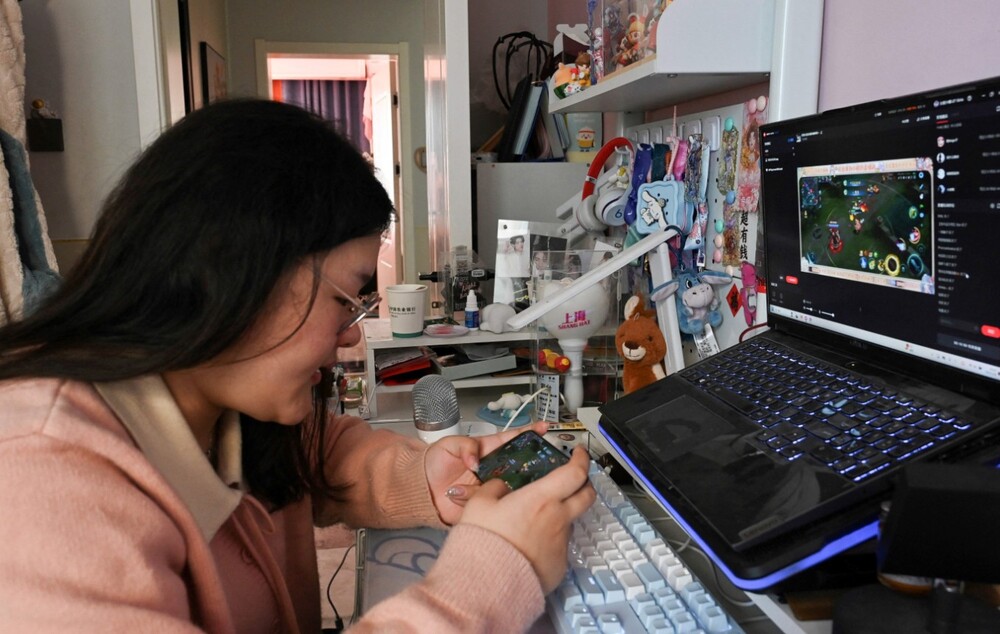
For women e-sports players in China, mastering the game is just the first hurdle to carving out a space for themselves in the male-dominated field.
To compete, casually and professionally, they must also overcome vicious trolls, gender norms, familial expectations and limited opportunities.
China has become one of the world's largest markets for e-sports. Its teams participate in international competitions, despite state media once dubbing video games "spiritual opium."
E-sports in China generated more than US$3.7 billion (HK$28.81 billion) in revenue in 2024 and attracted 490 million viewers to sell-out tournaments with lucrative prize pools and top players, according to the China Audio-Video and Digital Publishing Association. But more than 90 percent of the 195 professional e-sports clubs in the country are exclusively for men.
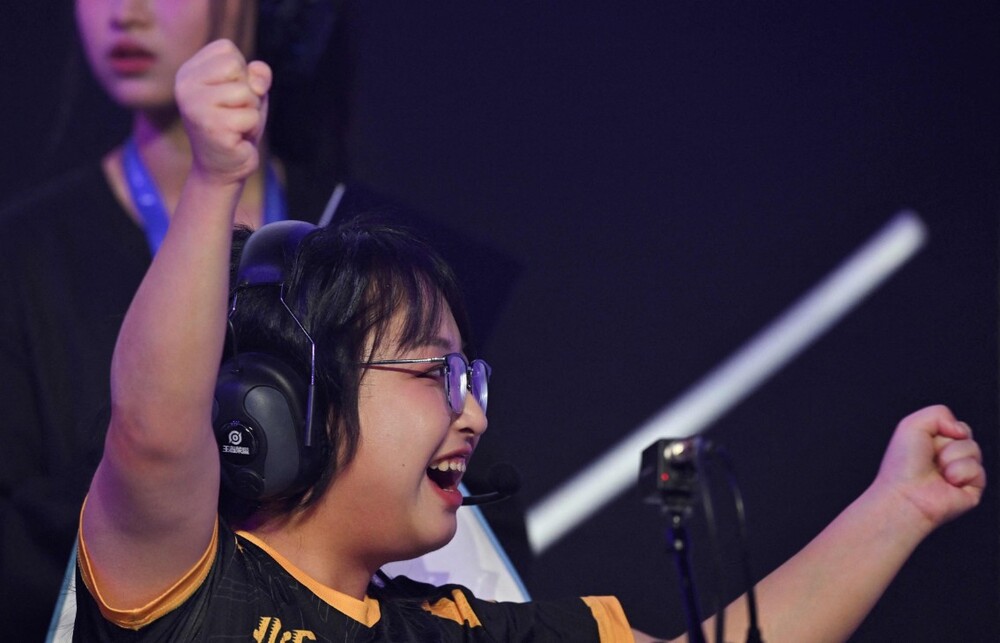
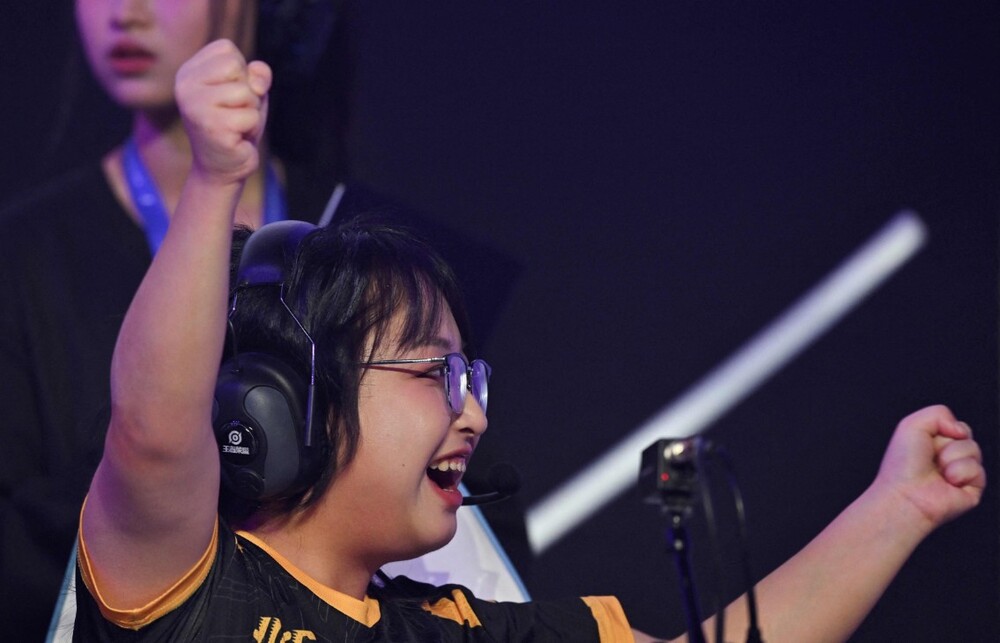
"People wouldn't recognize my skills because I'm a girl," said professional player Liu Anqi, 23, of all-women club RE-girls.
"I wanted to prove them wrong and earn the title of 'professional player' so they couldn't say I cheated or wasn't good enough."
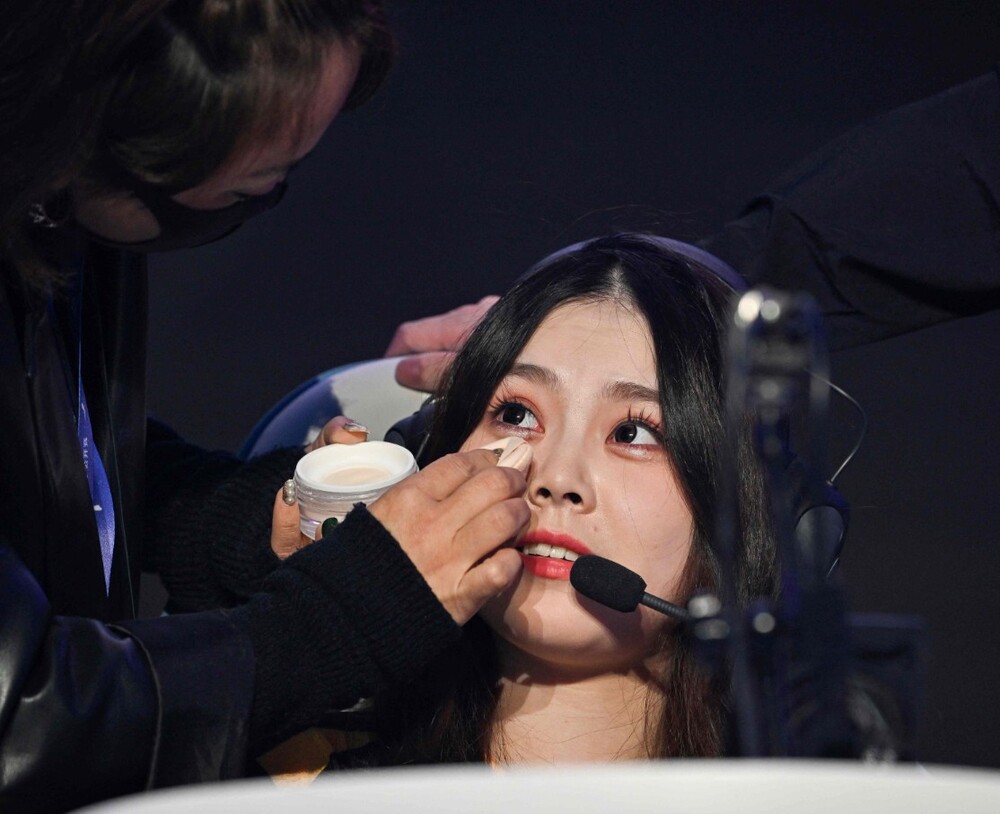
Unsolicited, malicious comments follow them everywhere: their skills and strategies belittled, their voices and appearances picked on.
"If you make a mistake, they say you don't deserve to play," said Wang Qianna from Killer Angel Girl E-Sports Club.
Even "Liooon" Li Xiaomeng, the country's most prominent woman player, was questioned about whether her boyfriend was secretly playing for her.
The challenges extend beyond online abuse.
Structural but often unspoken inequalities, like a lack of recruitment opportunities for women, make it harder.
Liu said a lower-tier club rejected her for a rookie training program - despite her clear over-qualification - seemingly because she was a woman.
"E-sports was basically just for men," said KA coach Chen Bo, adding that tournaments for women only began to emerge in the past few years.
Although the times are changing, women players still see fewer opportunities.
The prize pool for 2024's Honor of Kings Women's Open in December amounted to US$140,000. By comparison, last year's inaugural King Pro League Grand Finals handed out US$9.6 million between 12 male teams.
Last month, Liu and her team battled rivals in the semi-final of the Women's Open for "Honor of Kings," one of the world's biggest mobile games, but lost 3:0.
"Winning a championship isn't as important as before. What matters is finding self-validation."
AGENCE FRANCE-PRESSE
The players' skills are doubted and their looks picked on. AFP
Liu Anqi was rejected by a rookie training program seemingly because she's a woman. AFP