Read More



Hong Kong stocks open lower
1 hour ago
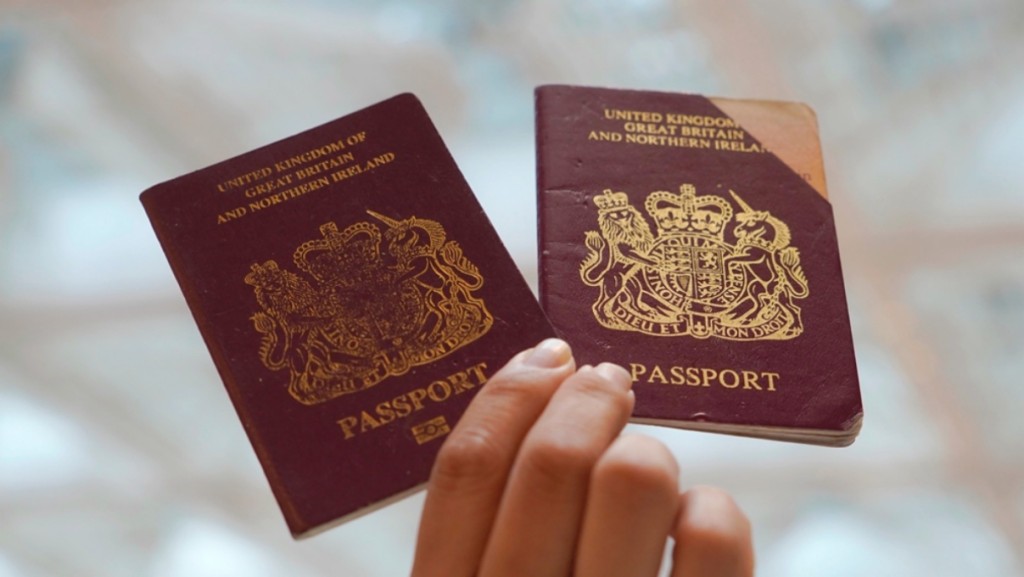
UK denies BN(O) visas to Hongkongers with protest convictions: report
23-09-2026 18:59 HKT
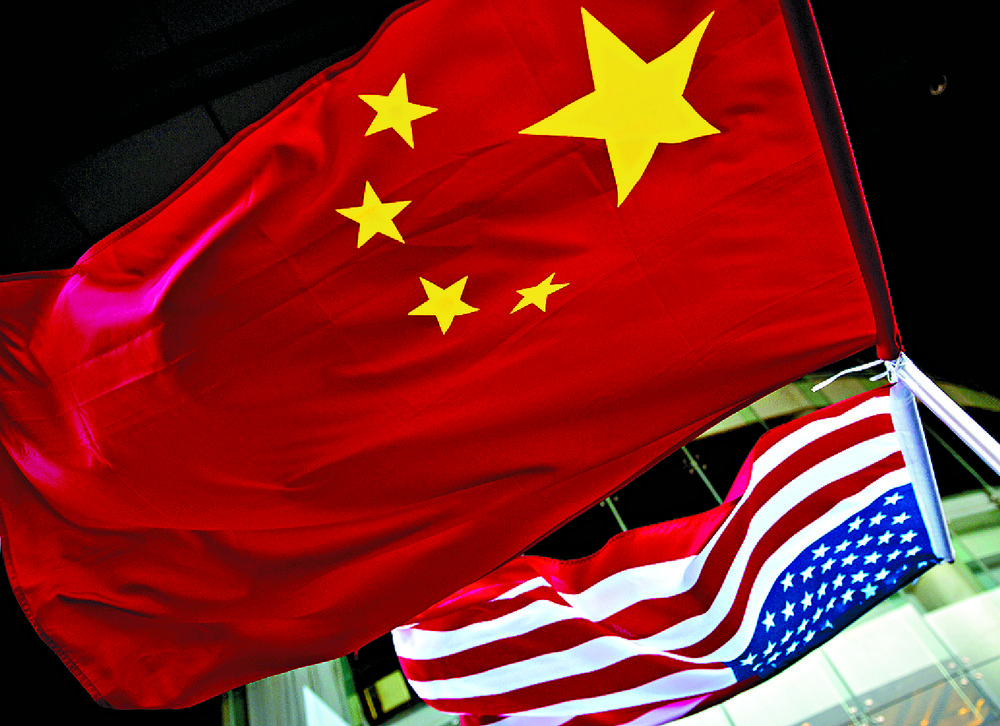
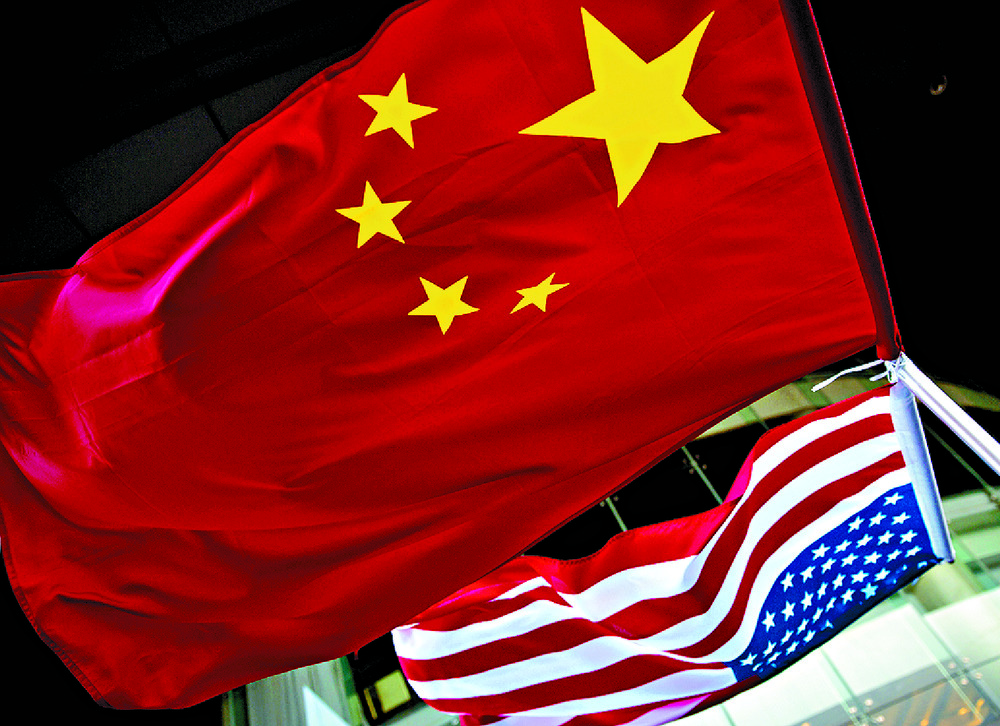
China is considering retaliatory measures on US agriculture and food products in response to tariffs from the Trump administration that are scheduled to take effect today, according to the Global Times.
The newspaper, which didn't provide specific details, is occasionally used to signal China's positions to the outside world.
This came as sources said China's foreign exchange regulator has surveyed companies about the potential impact of US-China tariffs. The State Administration of Foreign Exchange's questionnaire for exporters focuses on the levies imposed by US President Donald Trump, they said.
Importers were asked about the impact from China's retaliatory tariffs. In the survey, which was conducted following Trump's 10 percent tariff announcement in early February, SAFE also asked companies how they plan to react to the levies.SAFE sent similar questionnaires to companies during the US-China trade war in 2018, when it asked about tariffs and exchange rate volatility.
In a separate survey, SAFE also asked companies in some eastern Chinese cities about the slow pace in converting their dollar incomes to the domestic currency, a source said.Earlier, billionaire investor Warren Buffett said extra levies on goods could lead to inflation, and consumers would eventually suffer.
Tariffs are "an act of war, to some degree," the chief of conglomerate Berkshire Hathaway said in an interview with CBS News. "Over time, they are a tax on goods. I mean, the Tooth Fairy doesn't pay 'em!"Meanwhile, Goldman Sachs and BofA Securities rolled back some of their bearish forecasts for the yuan.
"There is still the risk that additional tariff impositions or new US measures prompt a harsher retaliatory response and a weakening of the fix," Goldman strategists wrote in a note. However, the "policy has continued to lean in the direction of a stronger fix."The bank now sees the onshore yuan at 7.3 per US dollar in three months, versus 7.4 previously. It also revised its six and 12-month forecasts to 7.4 from 7.5 before.
BofA analysts lifted their yuan forecast for the first quarter to 7.5 per US dollar from 7.6 before, citing moderating short positions and depreciation pressure on the currency. However, the bank maintained its bearish view of 7.6 per US dollar in the second quarter due to lingering tariff risks.