Read More
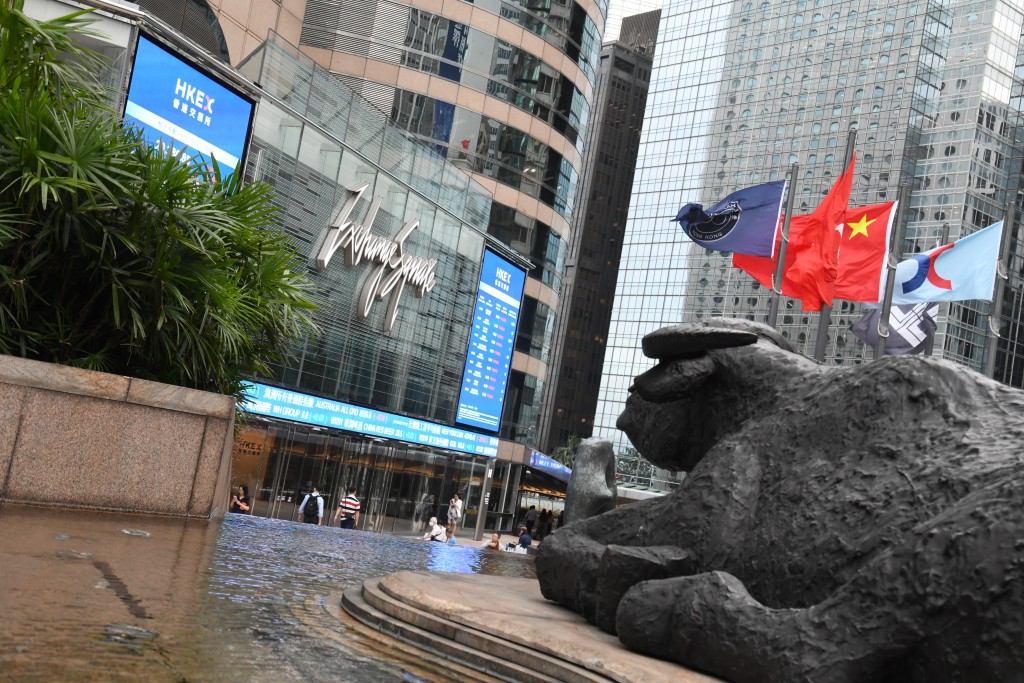
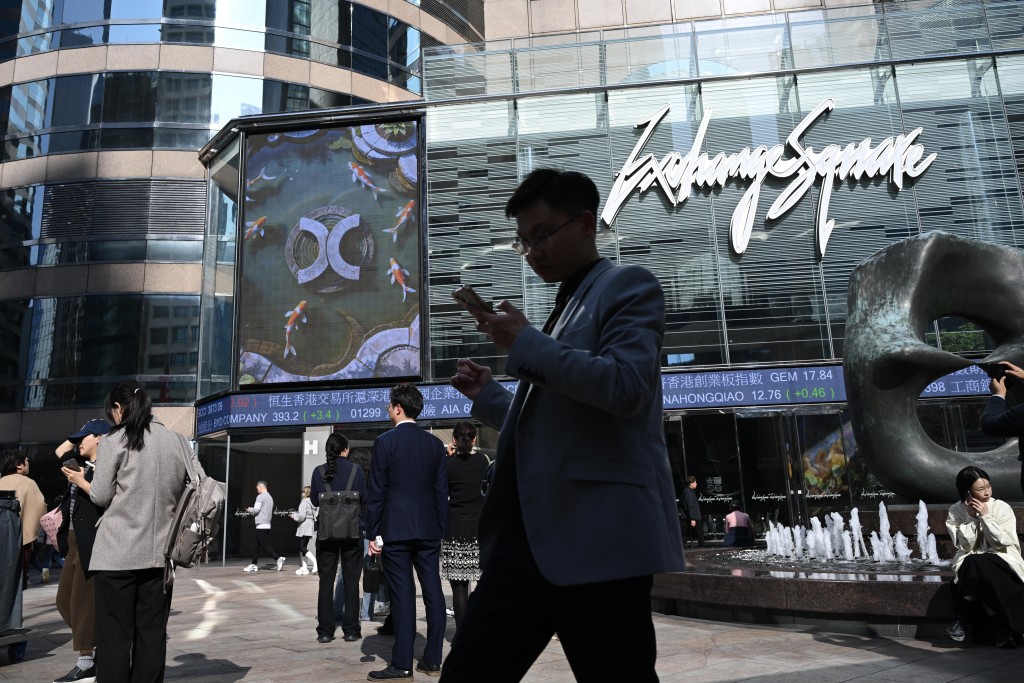



Hong Kong climbed by one place to become the second most expensive city to live a life of luxury.
Julius Baer's Lifestyle Index ranked the world's 25 most expensive cities by analyzing residential property, cars, business class flights, school, degustation dinners, and other luxuries from February to March this year.
The city also saw increases the prices of hotel suites and women's shoes, up by 22.9 percent and 12.7 percent year-on-year, respectively.
Singapore retained the title for spending on luxury goods, especially on cars, private property, and health care.Shanghai dropped from second to the four spot, likely due to challenges in the real estate market and softening consumer confidence, according to the Swiss private bank.
London is up one place at number three partly due to the strength of the British pound and "some normalization" post-Brexit compounded by the geopolitical instability, particularly the Ukraine war, which has improved the governmental relations between the United Kingdom and the European Union, the report said.Currency movements driven by an unstable world played a key role in some of the biggest rises and falls this year.
Currency fluctuation significantly influenced the rise of Zurich, Milan, Sydney, and other cities as well as the fall of Tokyo, Bangkok, Dubai and Taipei.Europe, the Middle East and Africa went from being the most affordable region in 2023 to the most expensive, with "significant price increases" and every European city moving up the rankings. Strong exchange rates prompted a change in the region's fortunes.
"China and India showed robust growth with annual rates above 5 percent. Despite challenges in the Chinese property sector and its impact on global financial markets, these countries remained a driving force in the global economy," economist Stephanie Kennedy said.Overall, price increases slowed to 4 percent from 6 percent last year across the index of goods and services.