Read More





China's state fund Central Huijin Investment bought exchange-traded funds yesterday and said it will boost its holdings in the future, continuing its support for the mainland's stock markets which suffered another rout yesterday.
Huijin started a round of support two weeks ago by increasing its stake in the Big Four state banks, which was taken as the regular measures by Beijing in order to prevent the stocks from further falling.
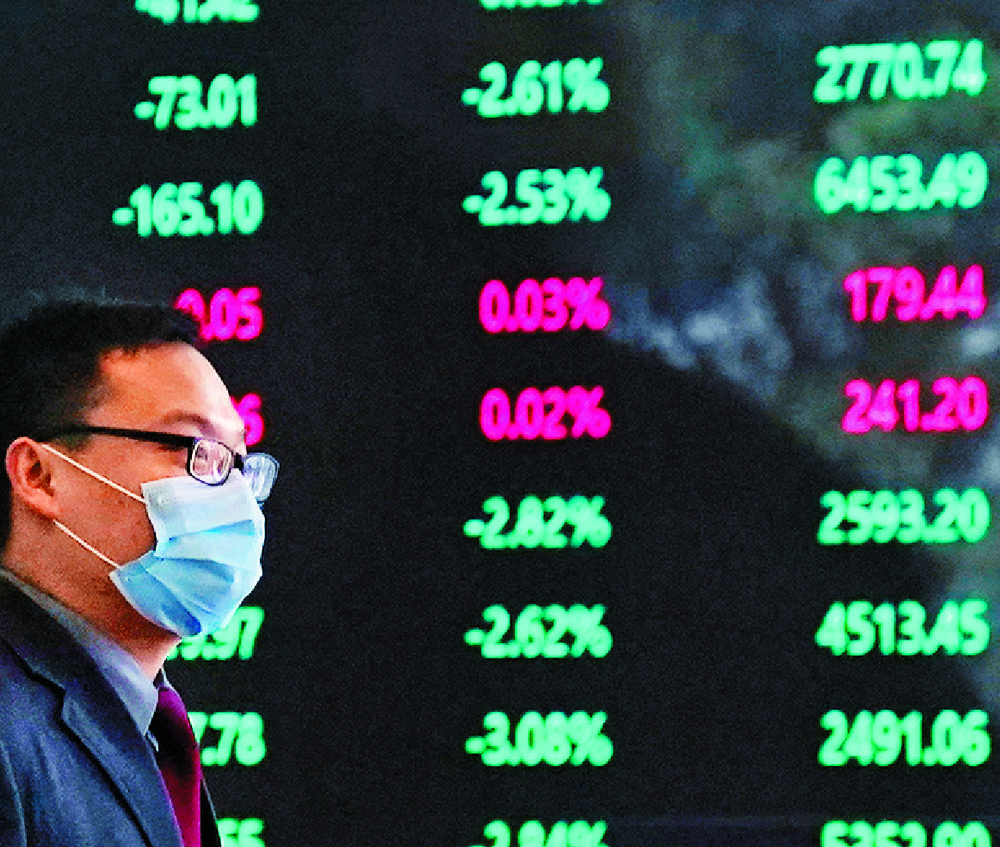
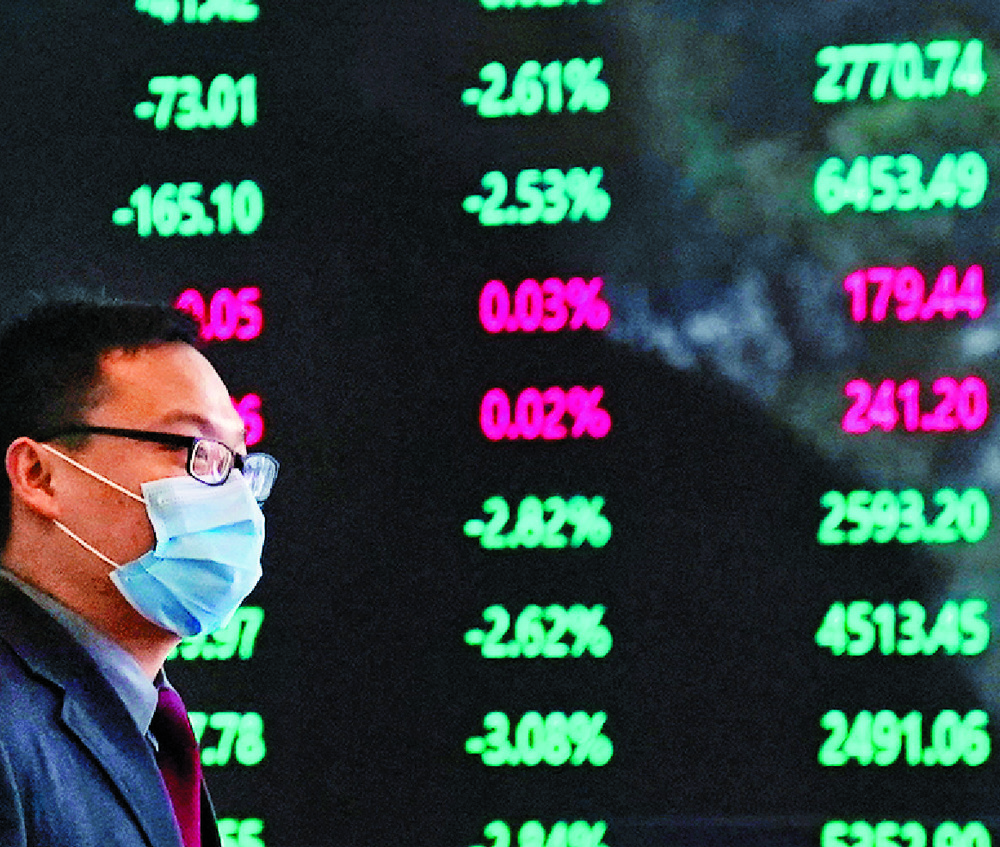
Yesterday, China's CSI 300 Index fell 1 percent to its lowest closing level since February 2019 while the Shanghai Composite Index, which broke the psychologically important 3,000-point level last week, slid 1.5 percent to a near one-year low.
The Star 50 Index, China's gauge of tech equities, is down as much as 1.9 percent, set for a sixth month of decline. Cambricon Technologies plunged as much as 17 percent, leading the decliners on the gauge.
The Hang Seng Tech Index in Hong Kong, which also tracks listed Chinese companies, has dropped 11.3 percent this year.
The recent fall in global markets, a spike in jitters and a shaky US dollar "looks like global risks emerging," Zhang Chi, strategist of Sinolink Securities, said.
Systemic global risks could kill the rebound of A-shares in the bud, so "we don't see a market bottom this year," Zhang added.
Israel bombarded Gaza with air strikes early yesterday and its aircraft struck southern Lebanon overnight, heightening worries about a widening Middle East conflict.
Such risks weigh on already gloomy sentiment in China, where the economy continues to creak under a deepening property crisis despite Beijing's slew of stimulus measures.
"A big problem of current stock market is that sentiment is overly pessimistic," said Zhou Zhiyang, fund manager at Jiahe Private Fund Management.
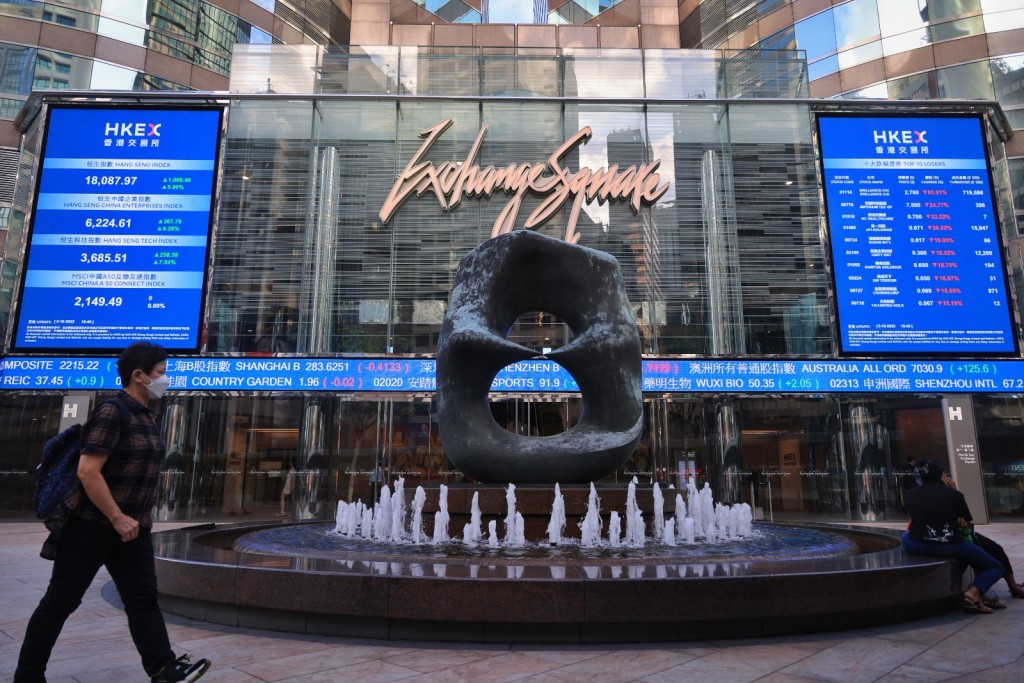
In Hong Kong, the benchmark Hang Seng Index closed last week at 17,172 points, a new 11-month low and wiping out the gains made after the border reopening.
Atta Capital investment director Li Chak-ming anticipates that the HSI will extend the fall to as low as 16,000 in the short run in the absence of fresh stimulus.
And Kenny Ng Lai-yin, Everbright Securities International's securities strategist, estimates that Hong Kong stocks will be dragged down by the mainland stock markets and the surging yield of the US 10-year Treasury. He recommended investors pick some defensive stocks to lower risks.