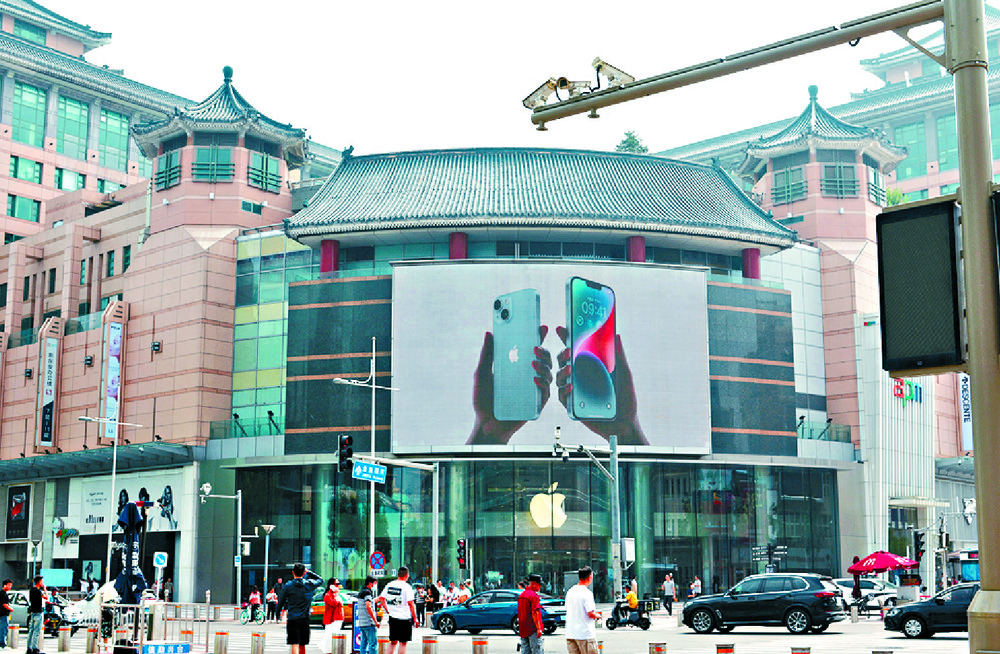
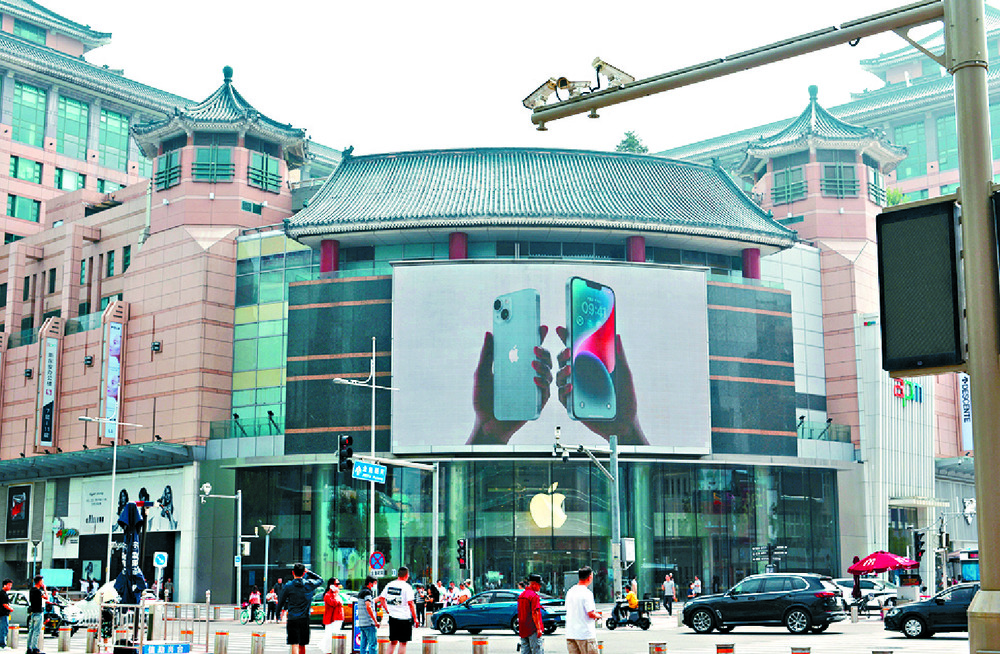
China plans to expand a ban on the use of iPhones in sensitive departments to government-backed agencies and state firms - a move that threatens to erode Apple's position in a market that yields about a fifth of its revenue.
Several agencies have begun instructing staff not to bring their iPhones to work, and Beijing intends to extend that restriction far more broadly to a plethora of state-owned enterprises and other government-controlled organizations.
It's unclear how many companies or agencies could eventually adopt restrictions on personal devices, and there has not been a formal or written injunction as yet.
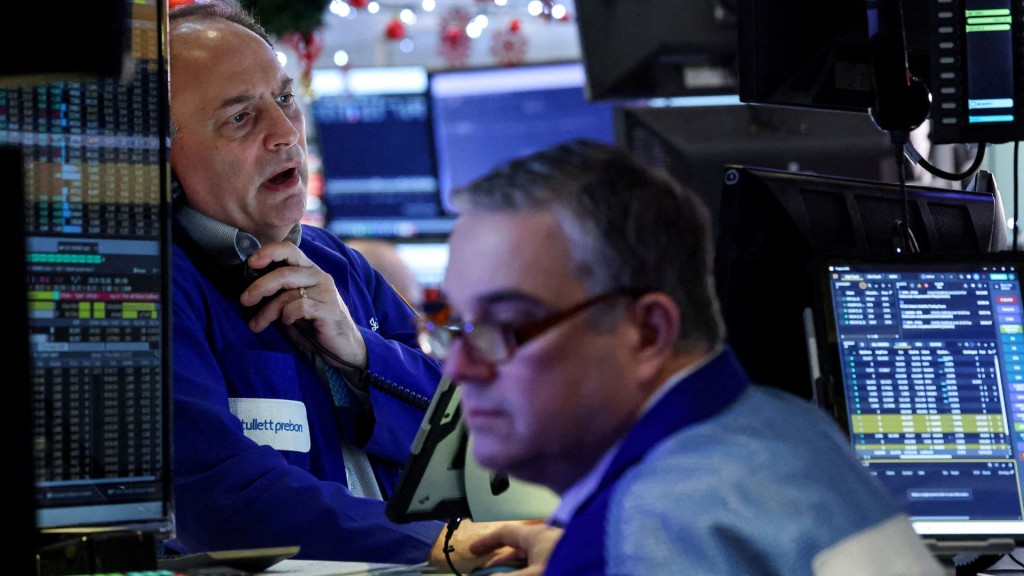
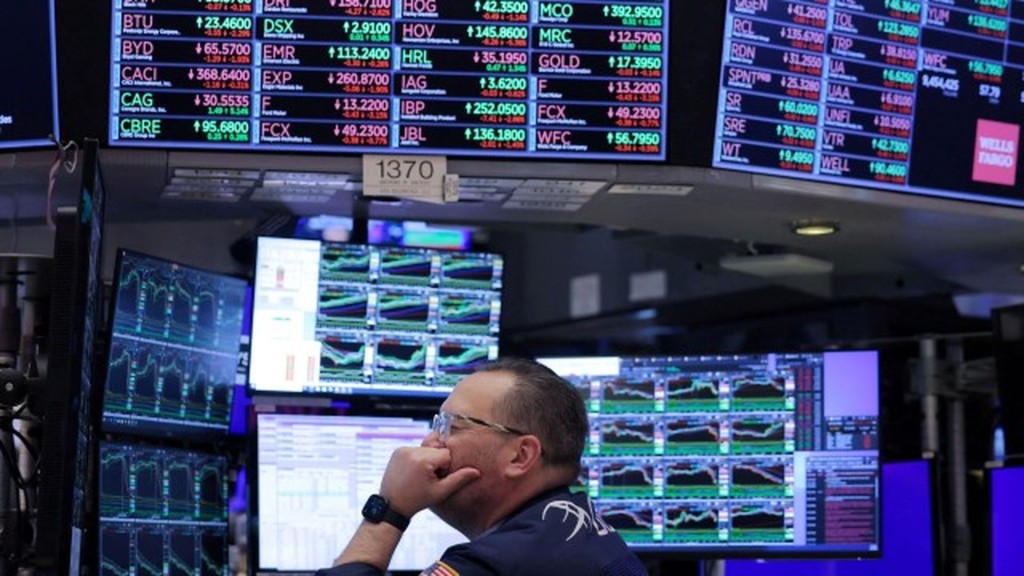
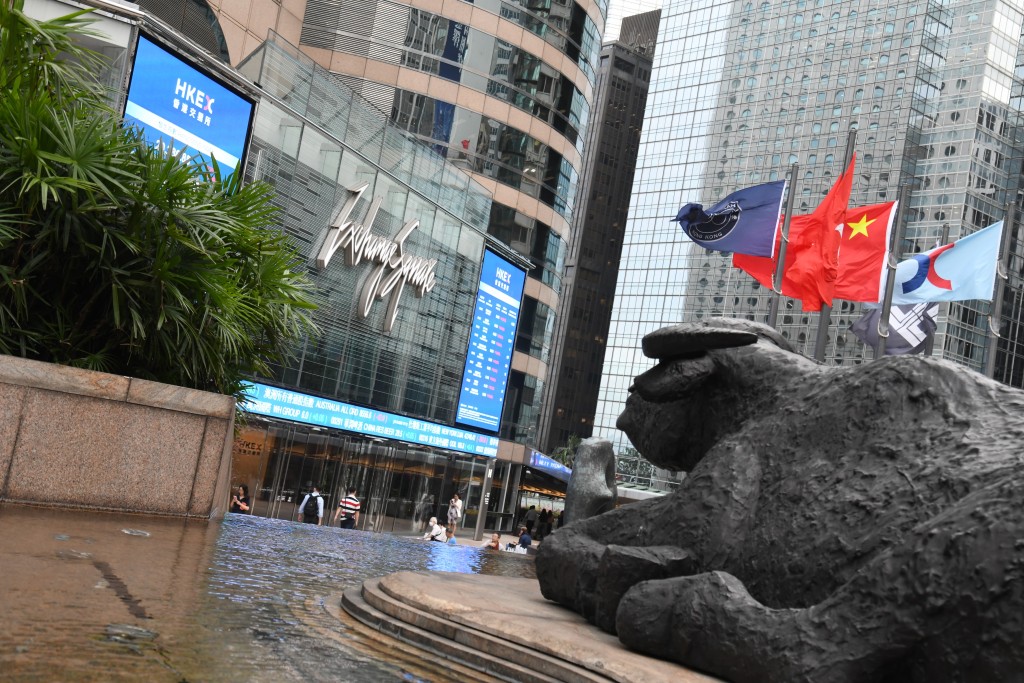
Apple's shares fell 2.8 percent in premarket trading following a 3.6 percent decline on Wednesday in New York. In Hong Kong, Apple concept stocks also dropped with Cowell e (1415) down by 7 percent, AAC Technologies (2018) by 3.5 percent, and Sunny Optical Technology (2382) by 4.3 percent.
Meanwhile, China Mobile (0941) said it will continue partnering with Apple to sell the upcoming iPhone 15 series on contract, denying a rumor the state-run telecom giant will no longer offer the latest iPhones.
Despite the ban, some mainland handset dealers have reportedly started recruiting commissioners to flip the first few batches of the iPhone 15 series for quick profits. They expect to gain from HK$300 to over HK$1,000 from selling an iPhone 15 Pro and HK$800 to over HK$3,200 for an iPhone 15 Pro Max.
On a related front an American lawmaker said Semiconductor Manufacturing International Corp (0981) "warrants investigation" as the company appeared to have violated US sanctions by supplying components to Huawei.
SMIC's shares dropped by 7.6 percent yesterday.