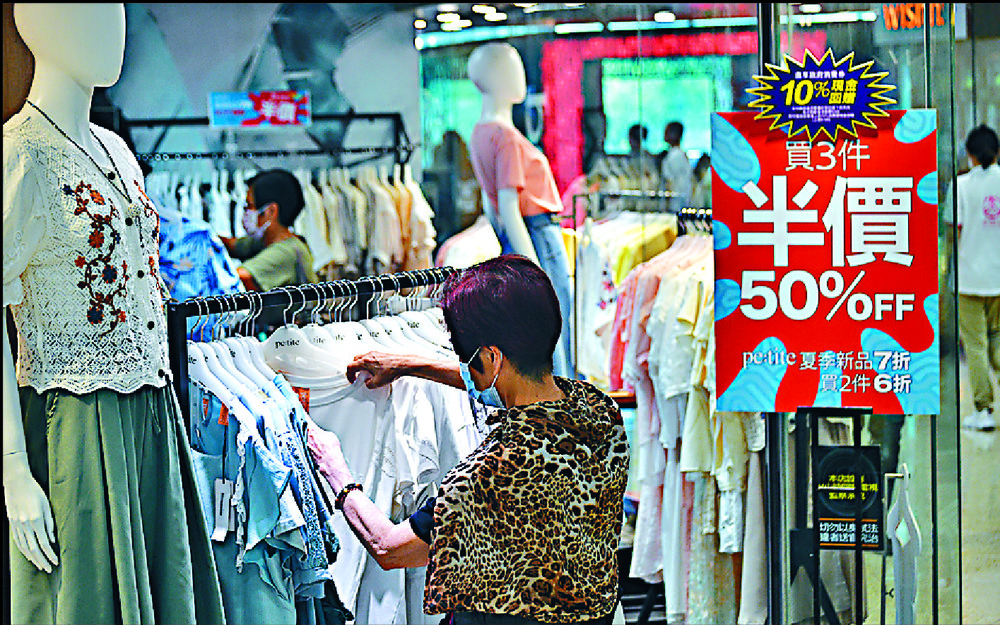
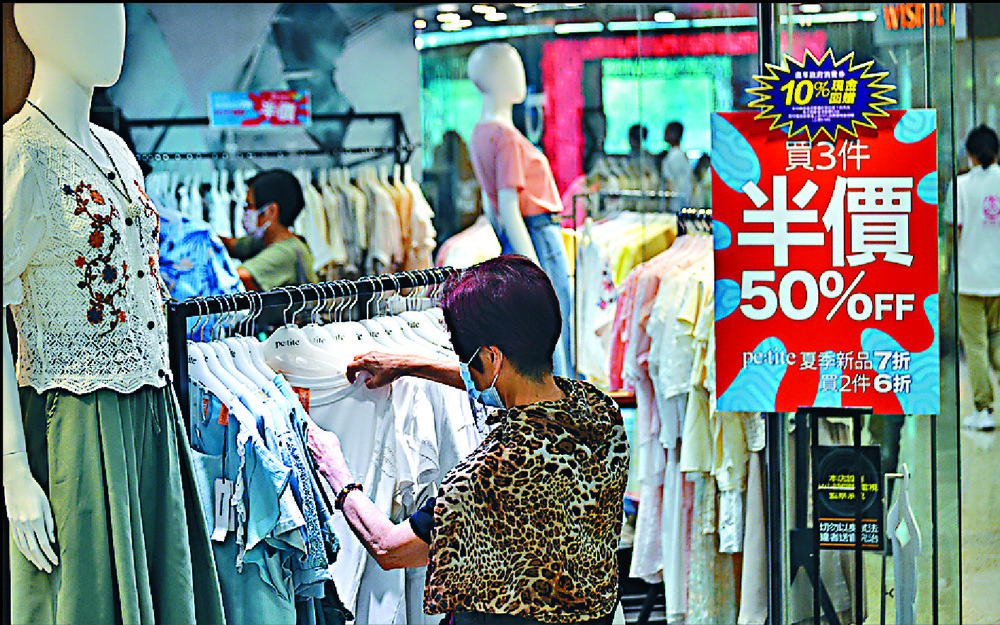
Hong Kong's retail sales plummeted 13.8 percent in March, the first back-to-back contraction in more than a year as stringent virus restrictions weighed heavily on the economy and crushed consumer spending.
The fall in sales value from a year earlier was worse than the median estimate of a 12.6 percent decline expected by economists in a survey, though it was less than the 14.6 percent drop in February.
Analyzed by product types, year-on-year sales of footwear, allied products and other clothing accessories plunged by 55.4 percent; that of jewelry, watches and clocks, and valuable gifts slumped by 36.8 percent, the Census and Statistics Department said yesterday.
Sales of commodities in department stores sank by 16.9 percent while sales of goods in supermarkets increased by 2.6 percent.
The official data also showed the sales volume fell 16.8 percent from a year ago, roughly in line with economist expectations.
The February-March period was the first time since the end of 2020-into-2021 that retail sales declined for two straight months, as the city imposed strict social curbs - including a ban on dining in restaurants after 6 pm and closing gyms and beauty salons - to contain a deadly Covid outbreak.
The total retail sales in the first quarter of 2022 decreased by 7.6 percent compared with the same period in 2021, or 14.9 percent from the December quarter, the data showed.
The full impact of those restrictions is also likely not captured in the data, as the retail sales data covers consumer spending on goods but not services such as catering, medical care, and entertainment, which account for over 50 percent of total consumer spending.
On the bright side, things are now looking up for Hong Kong, which is accelerating plans to ease curbs by reopening beaches and swimming pools and extending dining in-hours, among other measures.
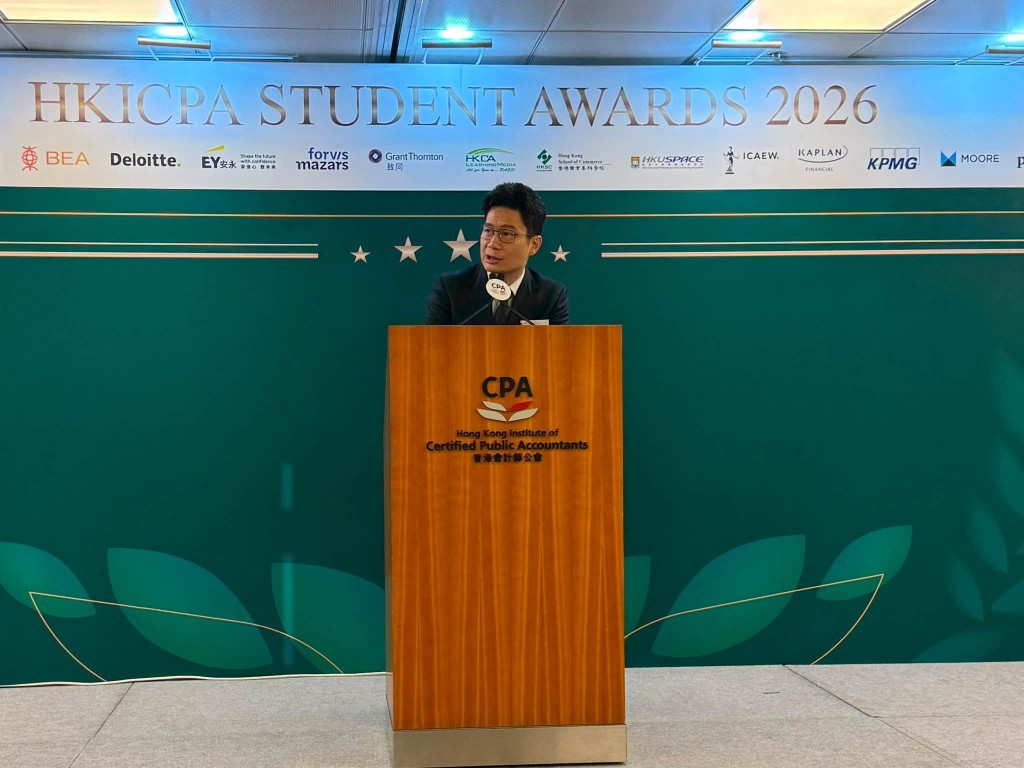
The government has started handing out consumption vouchers to help growth. A similar program last year helped boost monthly retail sales by double digits, and the handouts this time are likely to be more effective in driving retail growth, Annie Yau Tse, chairman of the Hong Kong Retail Management Association, said at a briefing yesterday.
Most members of the association said their businesses picked up in April, with outlets selling health and beauty products, watches and jewelry, furniture, and home appliances expecting growth of 20 percent to 60 percent, according to Yau Tse.
The March fall was less than the 14.6 percent drop in February. Sing Tao