Read More
Mainland smartphone maker Xiaomi (1810) reported better-than-expected revenue and net profits last quarter, driven by its new premium smartphones and rising overseas demand.For the first half, its revenue rose 7.9 percent to 103.2 billion yuan from a year ago, while net profit rose 29.3 percent to 6.65 billion yuan.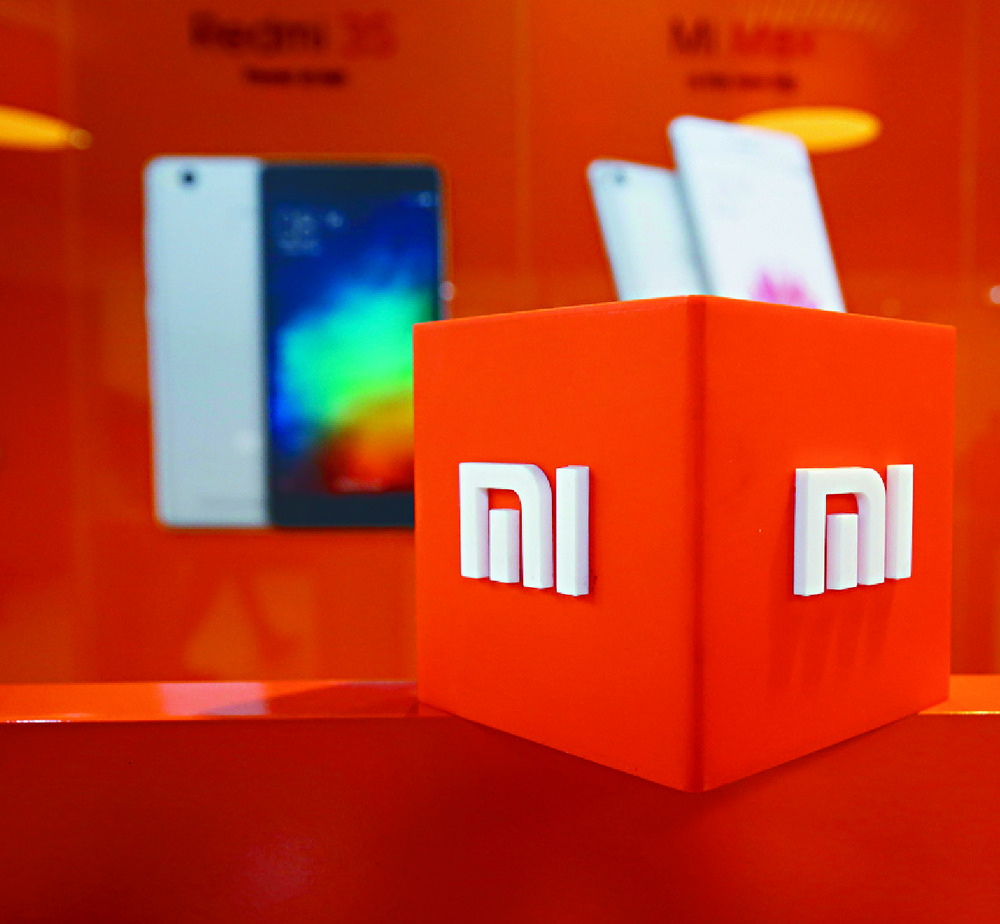
For the quarter ended June, Xiaomi's net profit surged 129.8 percent to 4.49 billion yuan (HK$5.05 billion). Revenue during the period increased by 3.1 percent to 53.5 billion yuan, beating analysts' expectations of 51.41 billion yuan, according to Reuters.
ADVERTISEMENT
SCROLL TO CONTINUE WITH CONTENT
The company did not declare an interim dividend, and basic earnings per share were 27.9 fen.
President Wang Xiang said Xiaomi's overseas business has recovered to pre-pandemic levels. But the average daily number of smartphone activations in India, Xiaomi's core offshore market, was about 72 percent of pre-pandemic levels due to strict lockdown measures starting in late March in the country, Wang said.
Despite geopolitical tensions between China and India, Wang said Xiaomi sees more opportunities in the market in the second half, and expects that the upcoming Dussehra festival will boost smartphone sales.
Also, Xiaomi has appointed Alain Lam Sai-wai as chief financial officer and a vice president, the company announced yesterday. Lam was managing director and head of technology and media at Credit Suisse.Meanwhile, gaming peripherals maker Razer (1337) saw interim net loss narrowed 63.9 percent to US$17.34 million (HK$135.25 million) for the first half, benefiting from stay-at-home trends amid the Covid-19 pandemic. No interim dividend was declared.
The company saw revenue grow 25.3 percent to US$447.5 million in the six months ended June 30, 2020, driven by strong growth of both hardware and software and services businesses.Revenue from hardware grew by 26 percent to US$382.7 million, while services segment saw a 79.3 percent increase to US$64 million.
Its gross profit margin improved 0.8 percentage points to 22 percent, as a result of increased services contribution which offset the increase in freight costs to facilitate surges in demand for its products, the company said.First-half revenues rose to 103 billion yuan. REUTERS