Joyce Wu
Apart from looking at the diversity of choices offered, students deciding between the IBDP and the GCE A-Levels should consider details and scope within the curriculum.
Though both might offer similar subjects that students choose from, students are meant to learn and process the content of each subject differently depending on the chosen syllabus.
The IBDP is renowned for being heavily focused on global affairs, which serves as another component to ruminate over when it comes to students' interests.
This may be perfect for students who are passionate about current affairs and social issues, such as racism in the United States, contemporary views on LGBTQ+ rights in various cultures and social spheres, or how feminism has changed throughout history.
Students with a greater interest in developing on their global values are prompted to think dialectically, given that the IBDP subjects are ones which ask students to consider how certain historical or modern events might impact cultural heterogeneity, or shape individualistic views.
As they are required to interrogate multiple perspectives, or reconcile seemingly juxtaposing views or pieces of information, they may find themselves enjoying the ways in which their views are first constructed, then challenged and redefined.
One such example of this is the Theory of Knowledge, which is compulsory for students studying the IBDP. What it entails is an intentional introspective inquiry in the multiple ways of "knowing" and "experiencing," centering around a central question of "why do we know what we know."
Assessed through a 1,600 word essay and an exhibition, students are meant to explore conceptual issues, and consider the methodologies of knowledge - ranging from an individualistic perspective to that on a cultural or societal level.
Those who find theoretical or philosophical inquiry appealing might find themselves inextricably drawn towards these prospects, and those who are engrossed with national and international phenomena may find themselves more inquisitorial towards the IBDP curriculum.
This is not to say that the A-Levels are lacking when it comes to an exploration of global values and current affairs.
A plethora of subjects, namely within the field of humanities, actually actively encourage students to interrogate social conventions, expectations, and consider current trends during their studies.
These subjects may include English language and literature, history and economics. Students reading for such subjects will similarly have to interrogate the boundaries of social conventions or evaluate contemporary affairs, whilst considering the intersection between the topics they're learning with global values.
Taking English literature as an example, students have to explore the interconnections between textual boundaries and the global context in which they were written, and context is a significant component upon which students will be marked.
It should be noted that, in this case, the main focus would still be on textual analysis. Nevertheless, global context serves as a substantial aspect which should not be overlooked.
All things considered, students can select subjects that comprise of crucial focus on global issues when it comes to choosing what to take for their A-Levels.
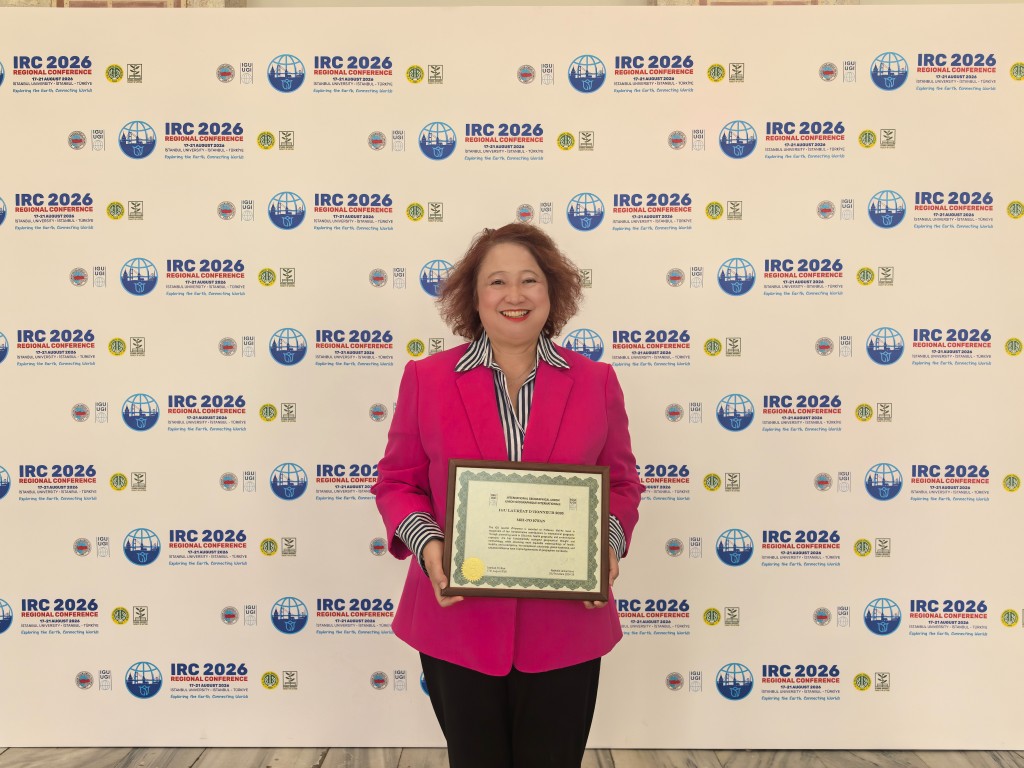
Joyce Wu is a Cambridge alumna, IB examiner as well as the co-founder of the Cana Elite Education Centre (www.canaelite.com)