Read More
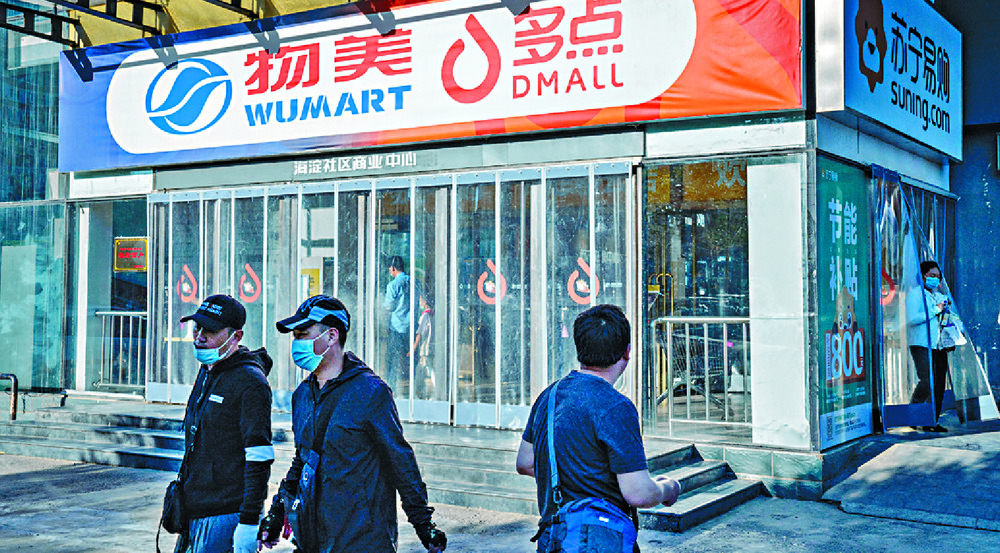
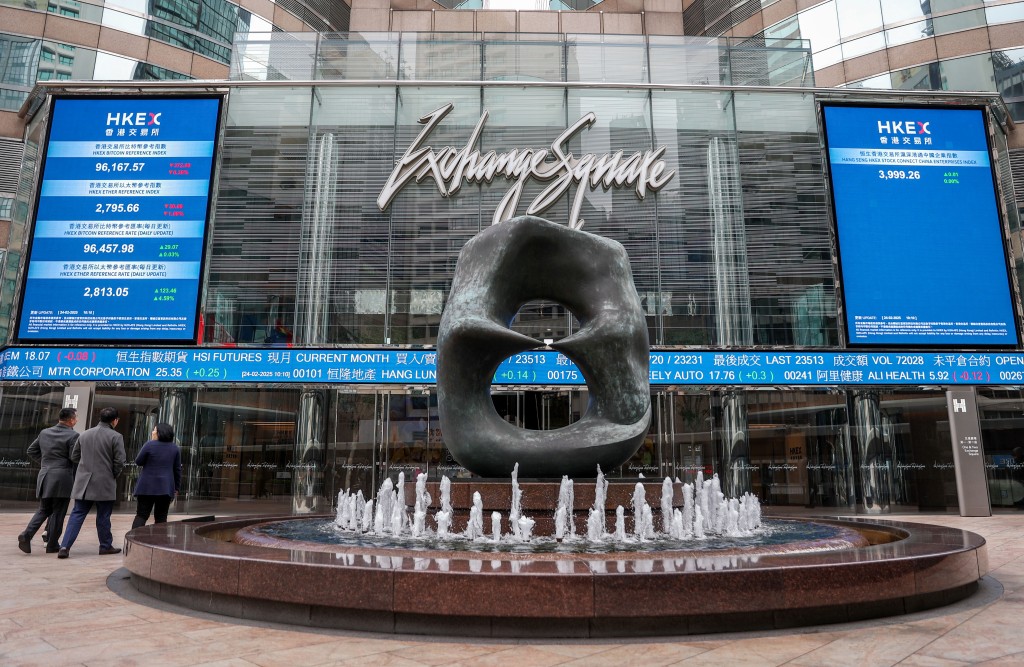
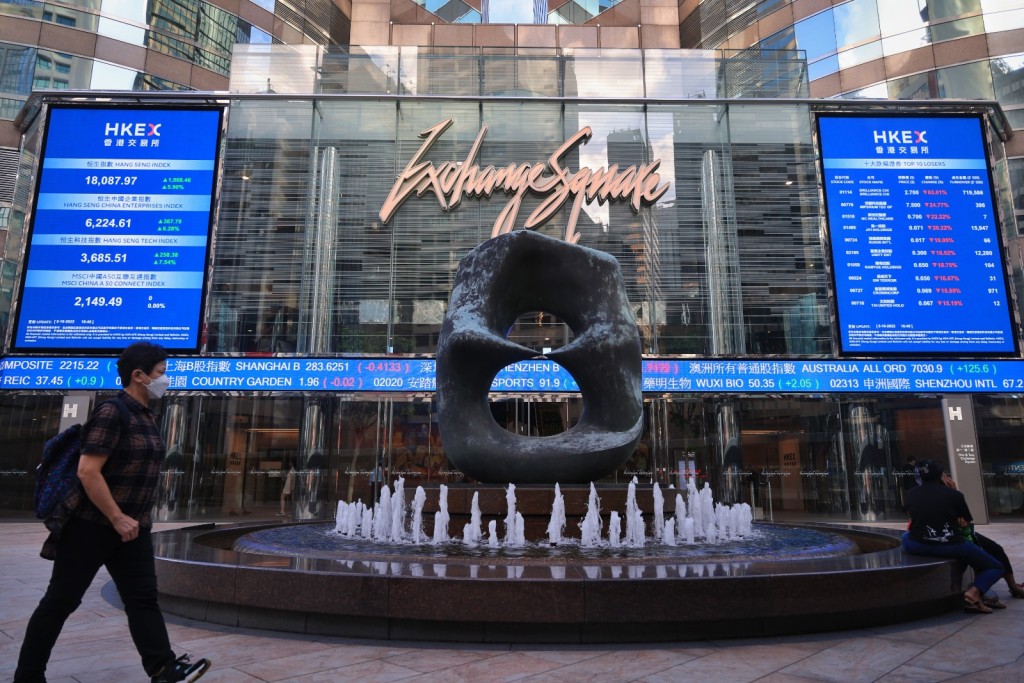
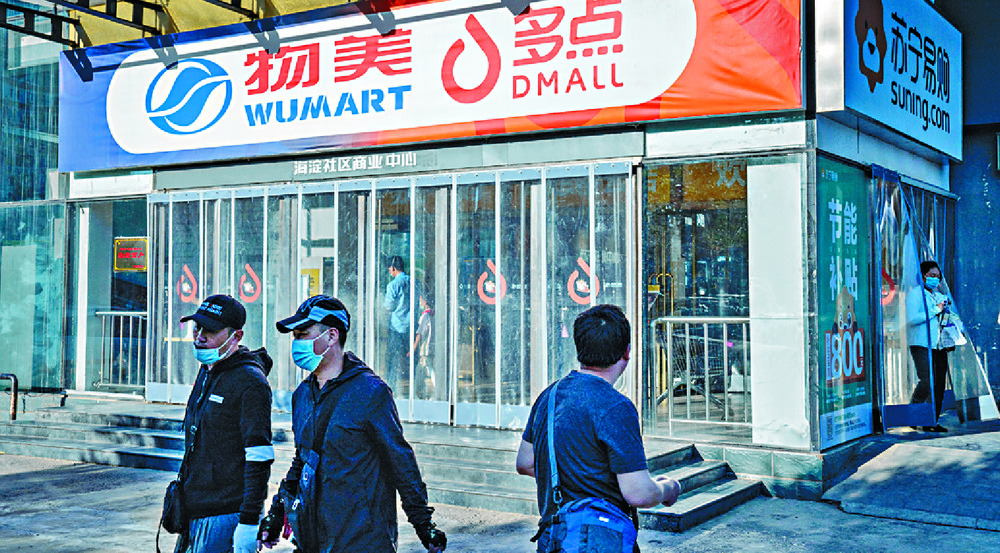
Dmall, an e-commerce cloud services platform backed by Chinese leading retailer Wumei Group, is seeking to list in Hong Kong after it shelved a plan to go public in the United States in 2021.
ADVERTISEMENT
SCROLL TO CONTINUE WITH CONTENT
The company, which provides software services to retailers, was established in 2015 by Wumei's founder Zhang Wenzhong, one of China's retail industry pioneers.
In 1994, Zhang opened the first modern supermarket in Beijing under the WuMart brand, which grew into a chain of supermarkets, convenience stores and drug stores and was listed on the Hong Kong Stock Exchange since 2003 before its privatization in 2016.
It is Wumei's second attempt to go public in Hong Kong after it failed to get listed as Wumei Technology in September 2021.
Dmall initially started its retail cloud solution business within Wumei's nationwide store network to digitalize the sales model of the supermarket chain, and developed its Dmall OS into a one-stop platform for end-to-end operational needs, from procurement, supplies and warehouse management to product displays, store operation, marketing and omnichannel sales.
Tencent (0700), IDG Capital and state-owned China Structural Reform Fund are some of the investors that have bet on Dmall, its prospectus shows.
Dmall says it's the largest retail cloud services provider in China and Asia by gross merchandise value, with a market share of 14.8 percent and 9 percent respectively as end-2021, serving 458 customers including world-renowned retailers like German supermarket chain Metro Group and 7-Eleven, and global brands like P&G, Coca-Cola and Pepsi.
However, the company is in the red despite strong growth in revenue and a significantly improved gross margin. Its revenue increased nearly fourfold from 264.6 million yuan (HK$302 million) in 2019 to 1.44 billion yuan in 2021, and the gross margin improved from negative 47.6 percent to 34.3 percent over the same period.
But its net loss expanded from 830.3 million yuan in 2019 to 1.8 billion yuan in 2021, mainly due to high research and development expenses, as well as sales and marketing expenses, which ate into 58.8 percent and 58.1 percent of its revenue in 2021.
Dmall's high customer concentration and heavy reliance on related entities is another pressure point for the company.
For the first nine months of 2022, 73 percent of its revenue came from related firms, namely Wumei, Chongqing Department Store, Yinchuan Xinhua and Metro China, which are also four of its five largest customers.
Wumei controls Metro China after having bought an 80 percent stake from Metro Group in 2020.
This may explain why Dmall has expanded into the Greater Bay Area and overseas, and entered into a new collaboration with Hong Kong Cyberport.
Besides a plan to expand its team from 70 to 300 employees, Dmall will set up a retail technology experience center at Cyberport to promote smart retail and digital transformation among small and medium enterprises in Hong Kong and the GBA.
In return, Cyberport will provide funding to start-ups supported by Dmall to facilitate their expansion into overseas and mainland markets.
In Southeast Asia, Dmall has joined hands with Jardine Matheson's DFI Retail Group, the operator of Wellcome, Mannings and other well-known brands in Asia, and co-founded Retail Technology Asia in 2020.
It has developed two online shopping platforms and mobile applications for DFI Retail's brands under Retail Technology Asia and has entered East European markets in collaboration with Metro. As of September 30, 2022, 10 out of 29 Metro stores in Poland were using Dmall's cloud services.