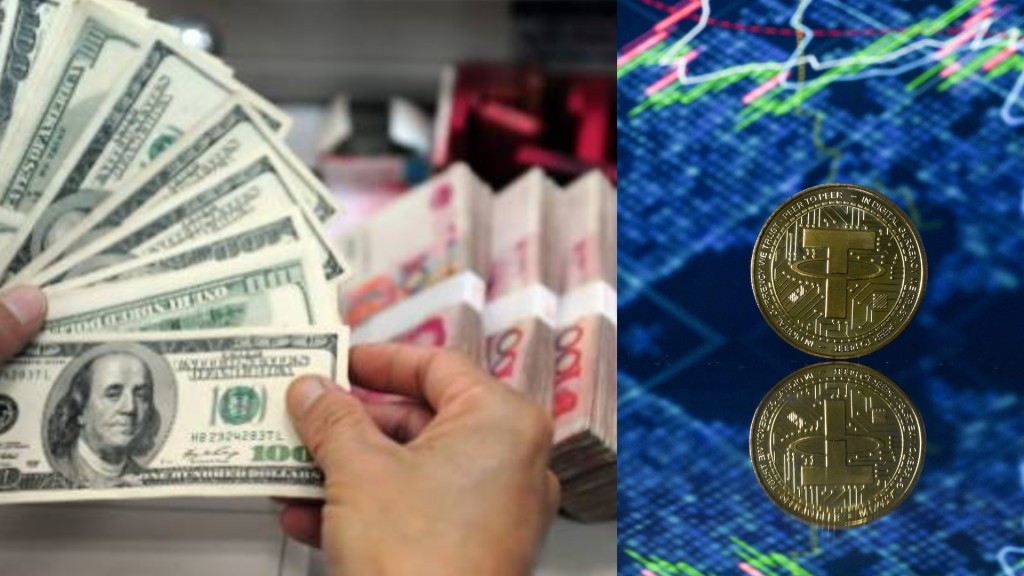
Polarized forces of cooperation and competition, wars of all kinds, geopolitical developments and incompatible standards are affecting the conduct of international trade of goods and services, providing pull-and-push factors for businesses with a view on the bottom-line to look for better tools and alternatives to access new markets, to speed up cross border and international B2B institutional remittance payments, DeFi settlements to soften the blow of unilateral restrictions and sanctions related to dollar’s hegemony, and to find hedges and alternatives to 3 percent credit card charges, currency exchange loss, and other volatilities and risks.
“Slotting in” nicely to fill the market needs, regulated “stablecoins” could become the primary way to pay for everyday transactions around the world, especially for the billions around the world in the gig economy or otherwise do not have regular income to open bank and credit card accounts.
Stablecoin usage in the world has reportedly already surpassed Visa and Mastercard with US$27.6 trillion (HK$ 215.28 trillion) transfer volume in 2024.
The recent rollout of the United States GENIUS Act, the European Union’s MiCA framework, and Hong Kong’s robust Stablecoin Regime to come in full force in August 2025 further demonstrates stablecoins are receiving strong attention from governments, prospective issuers, merchants, users and the general public.
Regulated stablecoins can be much more than just another way to pay, and while it does not in and of itself present a get-rich-quick-promise, it can be your “token” to unlock the “jackpot” if you are ready to see beyond the surface get your hands on stablecoins with a real edge!
By combining business, financial, legal, compliance and subject domain/market expertise, we can create new value paradigm and a “blue ocean” that are bigger yet more transparent than “mystery blind boxes.”
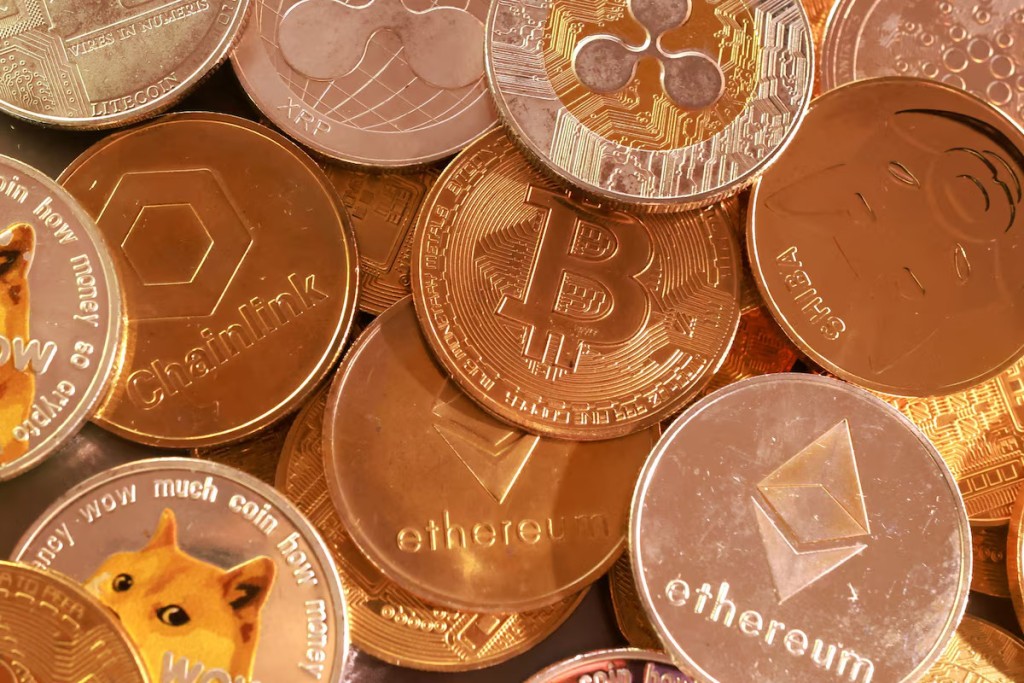
Regulated stablecoins have the attraction of being ready for everyday real-world transactions, and they are intended to be not volatile-by-design when compared to cryptocurrencies like bitcoins.
Have you wondered why you might not have personally witnessed anyone paying for a drink using cryptocurrency? Beyond the fact that a bitcoin today might be worth around HK$850,000, paying for a drink with bitcoin might beg the question, “why use a butcher’s knife to kill a chicken” (or bring a sledgehammer to crack a nut)? The holder might not want to give up a speculative investment asset that could continue to rise in value, and from a technological perspective it may take 10 minutes to an hour’s wait to confirm the transaction depending on the technology used and network speed.
A regulated stablecoin issuance should generally be secured and backed 1-for-1 by corresponding real-world assets – RWA – of the same value, so what the regulating authority requires as the ratio, the type of RWA allowed/chosen and the “use case” for that stablecoin would strongly affect that stablecoin’s DNA for success.
As issuers issue stablecoins, they will need to have or stock up on those RWAs. If an issuer picks or is forced/persuaded to pick certain RWAs (for example, a particular government bond or fiat currency), then that particular or category of RWAs may also rise in value.
If you can identify or create attractive “use cases,” you can build and unleash the value of a strong ecosystem, facilitate trade and shore up the market value of the chosen underlying RWA, which could be real fiat currencies, bonds and commodity, and it could facilitate the further internationalization of the yuan.
I am going to put my money in morally good “use cases” such as those that would make a greener world and encourage peaceful coexistence, improve regional and international trade dynamics, ecosystems that have built-in cost-efficient disputes resolution systems, and align with my ESG criteria to create value and innovatively “combine” usage of RWAs and digital currencies to solve real-world problems.
If you pick stablecoins that are pegged to an RWA that you will continue to value and want, then you might more effectively hedge against inflation and quantitative easing with some governments just printing money without gold or other assets in their vault.
Regulated stablecoins are generally issued without the need to paying interest to the holders, backed by liquid, interest-bearing assets such as commodities or government bonds. Issuers profit from interest rate spreads, while users benefit from faster payments, low-cost cross-border transactions, and in some cases, the ability to circumvent geopolitical chokepoints imposed by a dominant economic power. These features explain their rising adoption in emerging markets and the crypto ecosystem.
Stablecoins are a new class of digital assets that could bring out the best in innovation, technology, finance and law, and has the potential to positively reshape the global financial landscape.
The “stability” of a stablecoin depends on market confidence and the credibility of its reserve backing. A crisis of confidence or mass redemption can trigger systemic disruptions – as seen in 2023 when USDC temporarily depegged due to the failure of a reserve bank.
Hong Kong’s Stablecoin Regime was developed in response to these challenges. It provides a clear legal and regulatory framework for fiat-backed stablecoin issuance, requiring 1:1 reserve ratios, minimum capital thresholds, and credible, clearly defined use cases. This initiative enhances local financial stability while contributing to global digital finance governance.
Hong Kong has a high potential to lead the world in stablecoins, being one of the globe’s most competitive economies. It is a leading international financial center with strong compliance culture, an international trading hub that serves as a springboard to and from China’s huge market with over a billion consumers, and an international city with unique advantages under one country, two systems with memberships in international trade and partnership organizations.
The city benefits from strong policy support and incentives under Chief Executive John Lee Ka-chiu and his administration, which is cutting red tape and fostering a thriving ecosystem for stablecoins, blockchain, fintech, and Web3. Backed by Hong Kong’s advanced infrastructure – including the AI Supercomputing Centre, world-class universities, leading research institutions, and its smart city initiatives – the city is well-positioned to drive innovation in digital finance.
The foundation of any financial system is trust. Digital finance demands a legal framework that is transparent, fair, and sustainable. That trust must be built on strong regulation, auditing, and risk management, as well as consistent policy expectations and robust cross-border cooperation.
Whether or not you have already joined the party of the stablecoins issuers sandbox, I invite you to join me and others to combine policy, finance, legal, compliance, business and technological expertise to fully realize the true potential of stablecoins for the local, national and world economy.
The field is still wide open for those ready to plow it. Together with our friends throughout the Global South and beyond, we can legally issue, deploy and use stablecoins in many “use cases” to make it more cost-efficient to conduct trade, increase transparency, tackle protectionism and help unleash new value propositions.