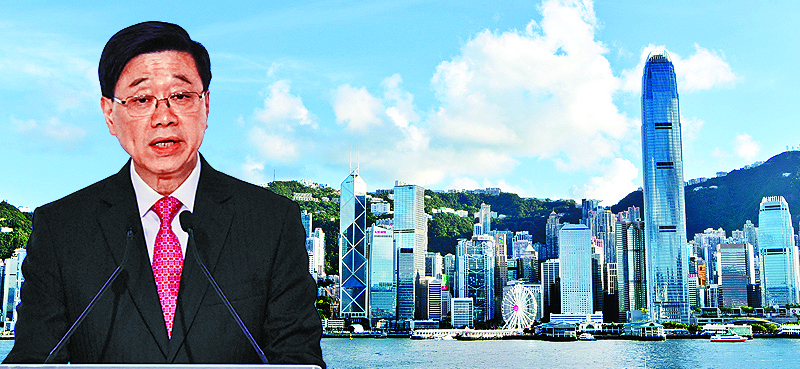
Chief Executive John Lee Ka-chiu's mission to the Gulf with mainland and Hong Kong businesses shows the way forward to explore new markets and foster international partnerships amid US pressures and heightened geopolitical tensions.
Given a traditional lack of trust between mainland and Middle East private enterprises, Lee's presence lends both prestige and credibility to the delegation, especially as this marks his second visit to the region.
It is the first time that mainland firms have participated in such a mission and strengthens the city's role and reputation as a bridge and super-connector to China.
Hong Kong has well-established connections in trade.
The city's compliance with international rules and experience in fostering cross-border collaborations positions it perfectly to help mainland firms expand into the Middle East.
With the initiative, the government is leveraging the city's position to generate opportunities for mainland firms as it seeks to strengthen ties with its Middle East counterparts that could create new space for cooperation.
During his visit to Qatar, Lee emphasized the synergy of such approach, saying that by combining strengths, Hong Kong and the mainland together could offer comprehensive supply chain management solutions.
"We can complement one another, collaborate and create value," Lee said.
His remarks underscore the vision of involving mainland firms in the Gulf trip.
More than 20 mainland Chinese companies participate in the mission, including Guangdong's PCI Technology Group which reportedly launched the world's first transport-dedicated AI model; Xiamen Guangpu Electronics, which plays a role in advancing China's semi-conductor optical integrated sensors; and Jiangsu's Luyi Investment which has established an industrial park in Qatar.
Their presence is not just symbolic but also a substantive attempt to overcome trade obstacles arising from ongoing Sino-US trade conflicts, by reducing dependence on American markets.
The Middle East trip would allow these Chinese firms to explore the market while appreciating the soft power that Hong Kong has maintained.
The city has been engaging with Middle East nations for a while, including a trip to Saudi Arabia and the United Arab Emirates two years ago that produced several memorandums of understanding with these nations.
Efforts to position Hong Kong as a Muslim-friendly city only reinforces its commitment to engaging with the Middle East.
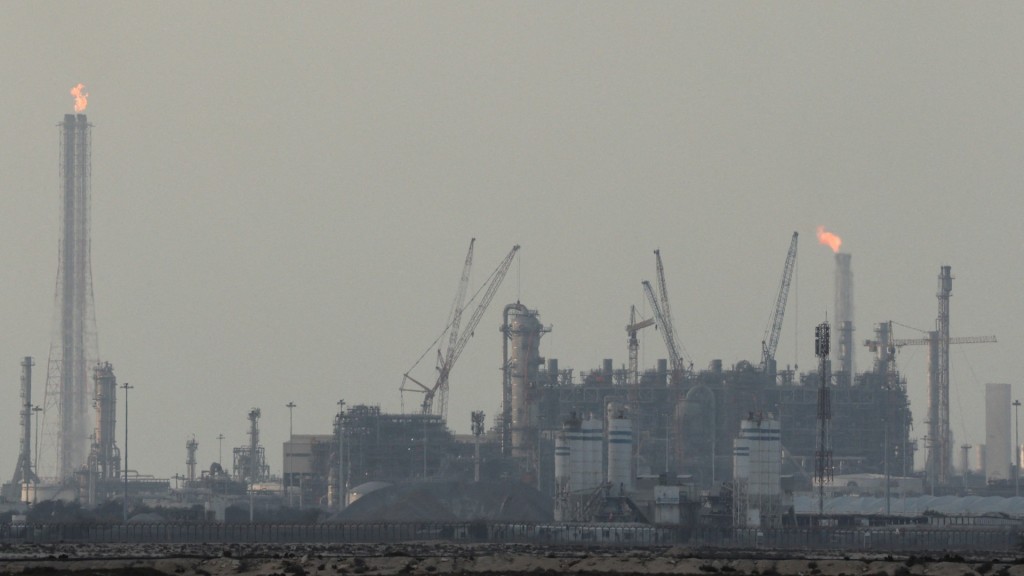
Gulf nations such as Qatar and Kuwait are actively diversifying their economies to reduce reliance on oil and gas and the mainland's manufacturing base and Hong Kong's market integration could offer specific solutions while these Middle East countries transform their respective economies.
As Hong Kong's chief executive, Lee's leading role in the delegation lends the mission credibility and stature in the eyes of the Gulf.
In the face of increasing global market uncertainties, mainland companies are revising their strategies through international expansion and third-country production setups.
And against a backdrop of rising geopolitical tensions, Hong Kong must strengthen its global ties more than ever.
As a tariff-free free port, the city's unique value is now critical, particularly in guiding local and mainland businesses toward secure and reliable partnerships in emerging markets.