Nearly 40 percent of seniors, representing approximately 550,000 elderly residents, live in districts facing medium-high to high extreme heat risks, according to a study by environmental organization Greenpeace.
Applying the United Nations climate risk assessment framework, Greenpeace identified Kwun Tong, Kwai Tsing, Tuen Mun, and Wong Tai Sin as the districts facing the most severe heat risks.
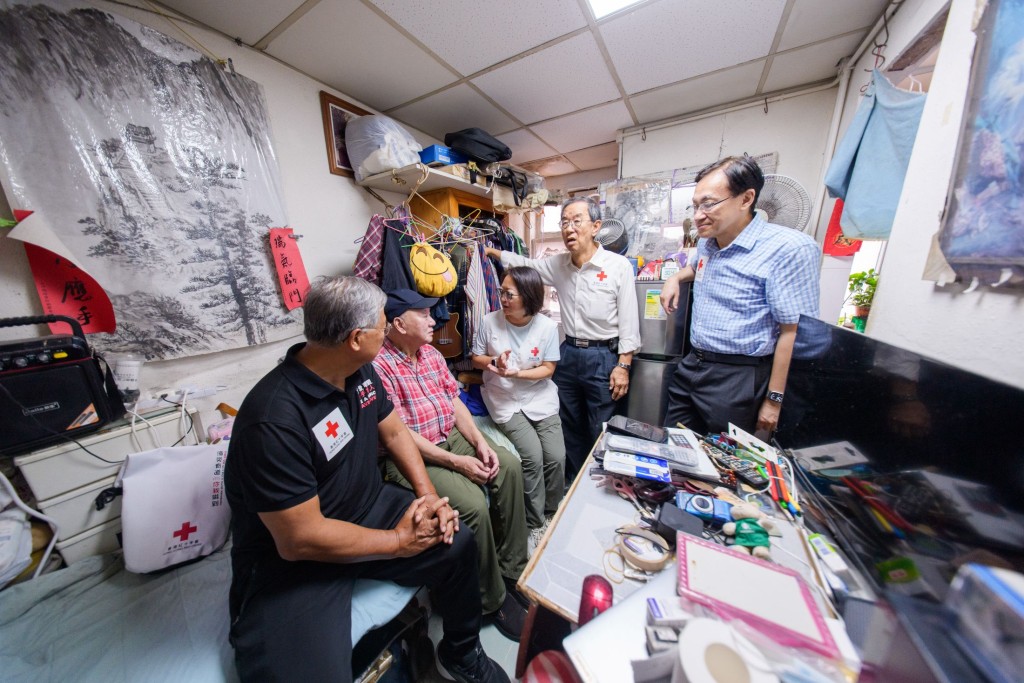
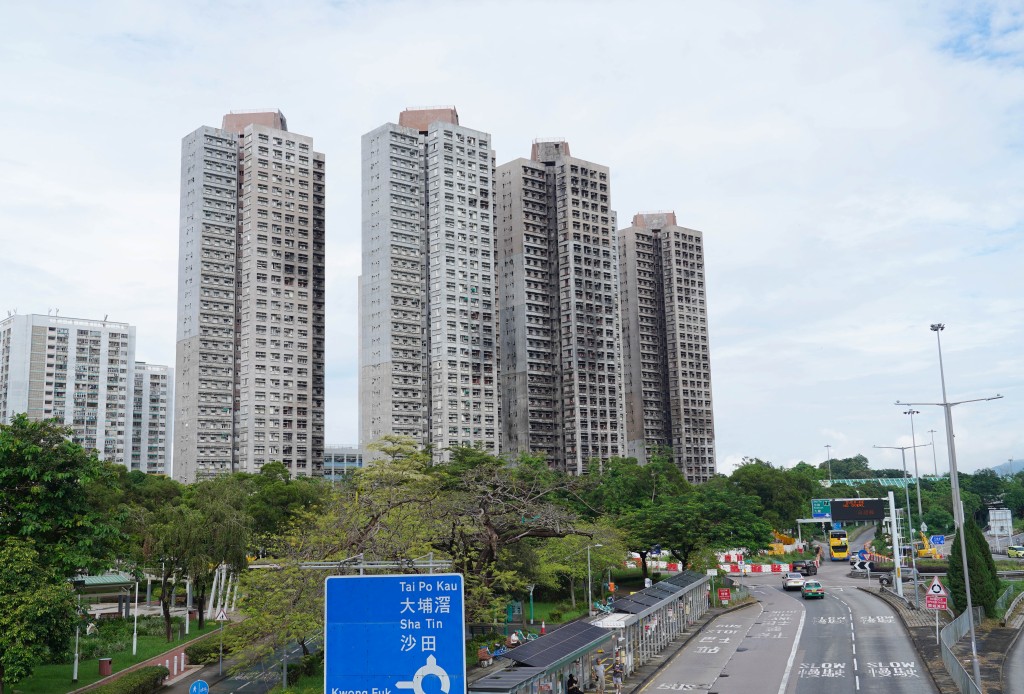
These areas are characterized by a high concentration of older buildings that create urban heat island effects, alongside a large demographic of low-income residents living alone.
The study also revealed a severe disconnect between indoor and outdoor cooling support in these vulnerable neighborhoods, as each district currently has only one government temporary heat shelter.
They are often located far from grassroots elderly communities, resulting in nearly 90 percent of seniors rarely or never using these facilities, while these areas also suffer from a lack of public green spaces.
Greenpeace urged the government to formulate a comprehensive high-temperature action plan through cross-departmental collaboration.
Furthermore, the organization recommended the early identification of high-risk areas and vulnerable seniors, proactive outreach and home visits to frail elderly residents living alone, and the provision of more designated cooling spaces.
The organization also called on authorities to integrate "extreme heat governance" policies into new urban developments, such as the Northern Metropolis, to expand community greenery.