Hongkongers could be sweltering through record heat and wading through rainwaters in the coming years as El Niño strengthens, a climate expert warned on Wednesday.
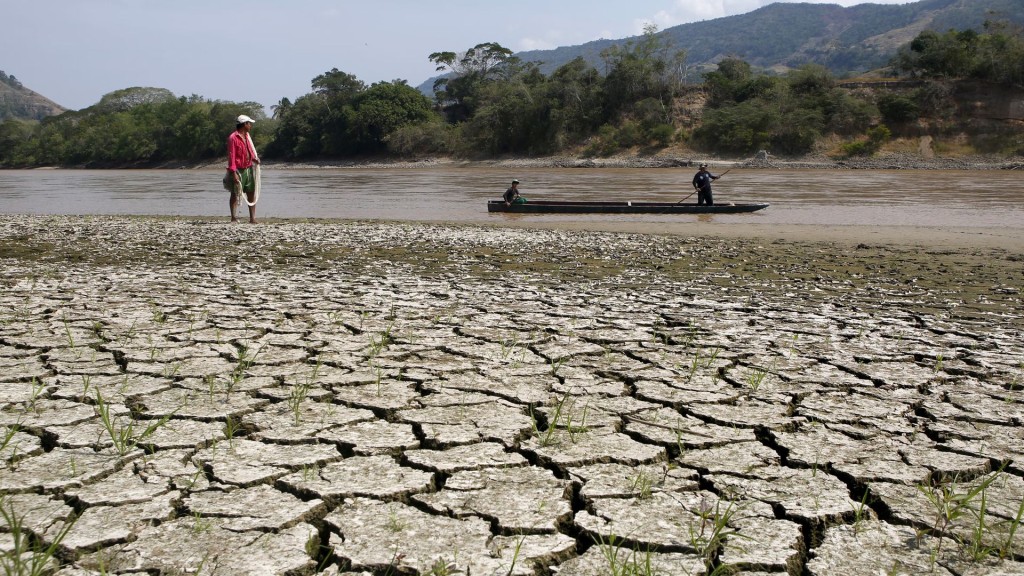
Rapidly rising ocean temperatures in the equatorial Pacific have raised concerns among climate agencies that the event could develop into a very strong El Niño, increasing the risk of heat waves and disruptive weather worldwide.
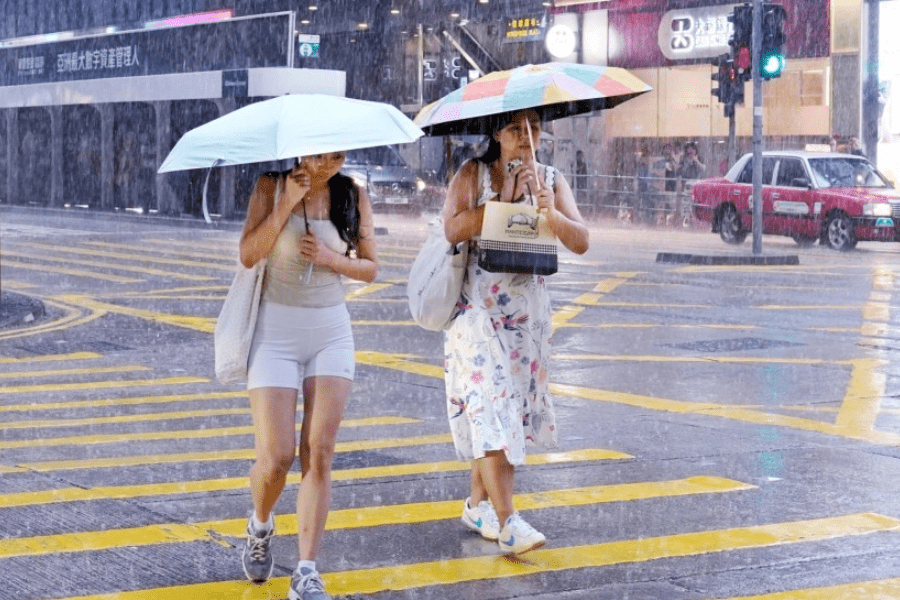
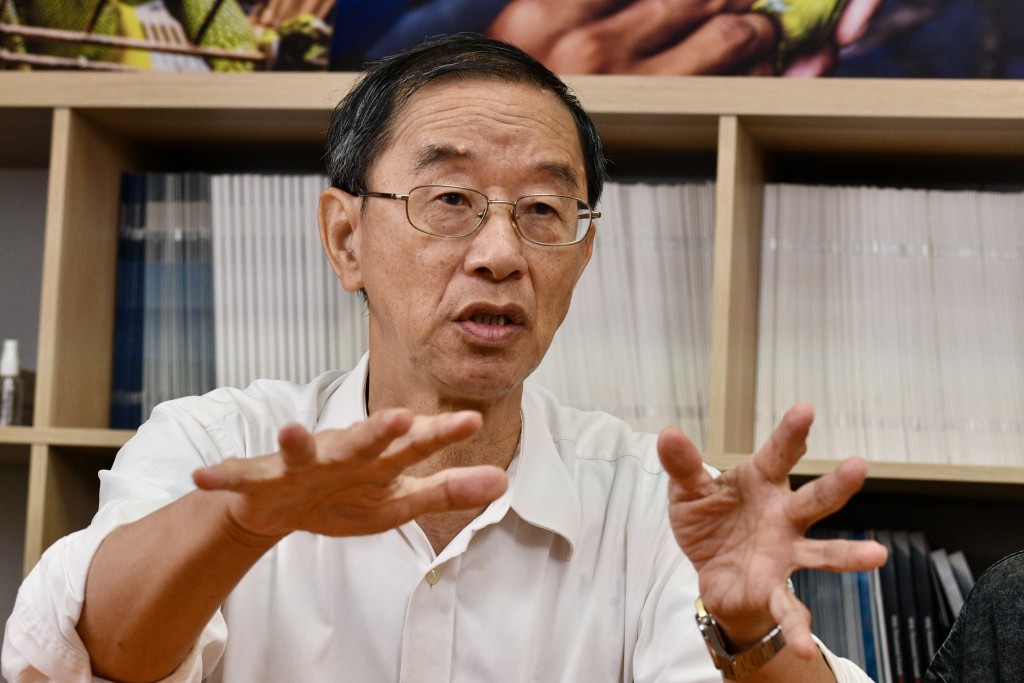
Andie Au Yeung Yee-man, a lecturer in the Department of Earth and Environmental Sciences at the Chinese University of Hong Kong, said on a radio program that the city could experience hotter and wetter conditions over the next 12 months.
She said El Niño generally develops when sea-surface temperatures in a key area of the equatorial Pacific are at least 0.5 degrees Celsius above average. An event reaching 2 degrees or more is commonly described as a super El Niño.
Only three such events have occurred in the past three decades, she said. The rapid pace of warming this year has alarmed scientists, with changes that previously unfolded over a year now occurring within about three months.
Citing forecasts by the US National Oceanic and Atmospheric Administration, Au Yeung said the El Niño could persist into next year and bring more rain and hotter conditions to Hong Kong after winter.
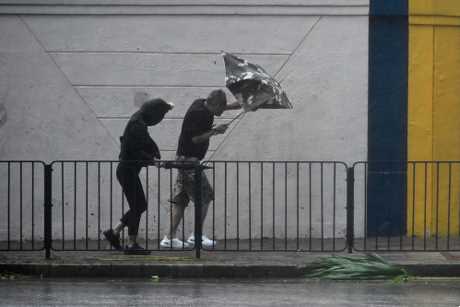
The overall number of tropical cyclones may not increase, but the risk of more intense storms could rise, she said. Systems forming farther east in the Pacific have more time to travel over warm waters and gather energy.
Some storms may turn toward Japan or Taiwan, but those approaching Hong Kong could bring destructive weather, she added.
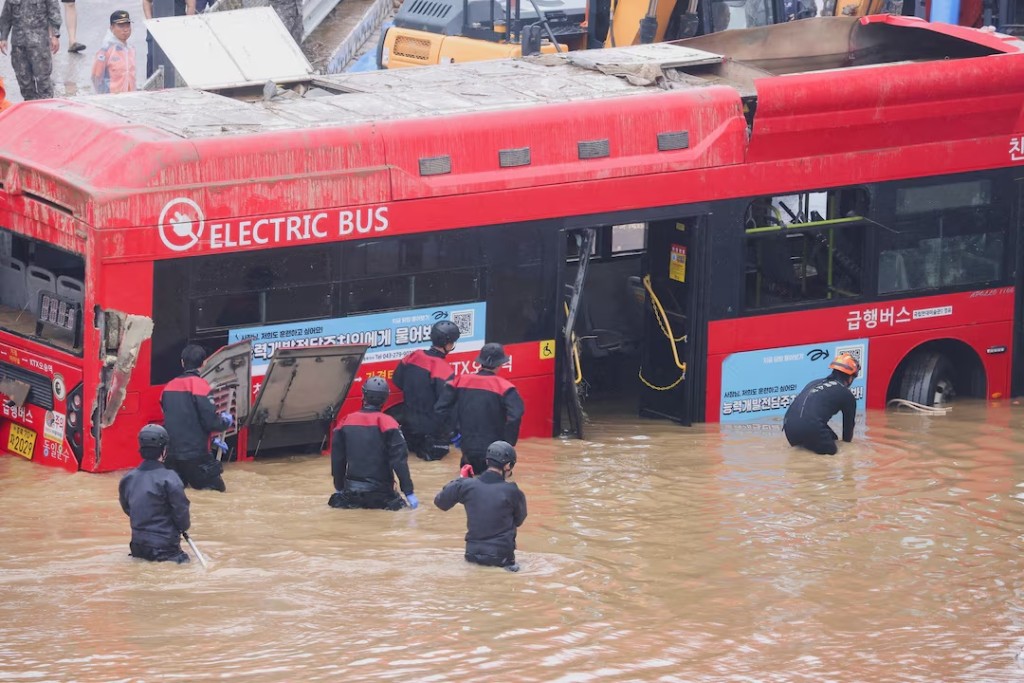
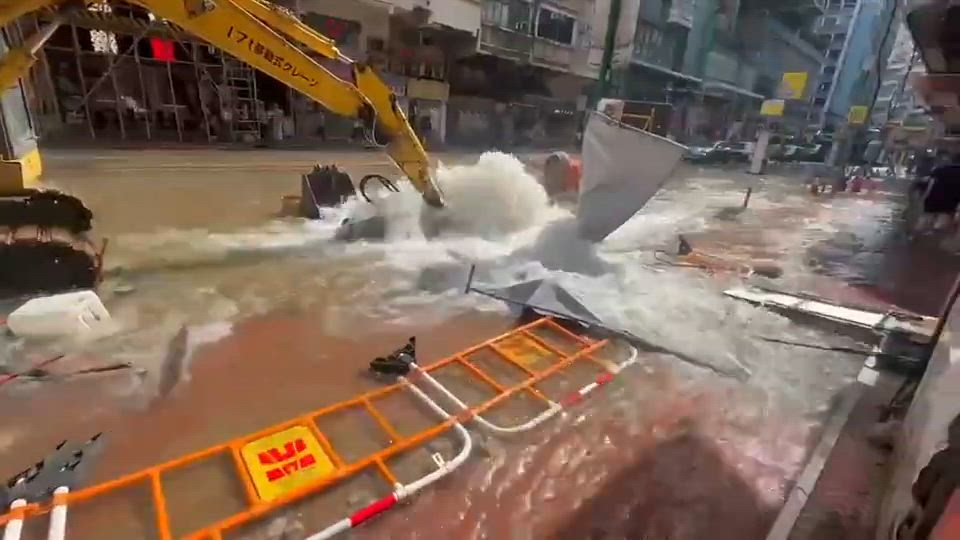
Au Yeung cited the 2023-24 El Niño, during which Super Typhoon Saola prompted the No. 10 hurricane signal, severe flooding struck Wong Tai Sin and unusually hot weather persisted into November.
Hong Kong also experienced high temperatures during the strong 2015-16 El Niño despite relatively weak typhoon activity, she said.
With Pacific waters warming more rapidly than during the previous events, Au Yeung warned that more extreme weather could lie ahead.
She said Hong Kong’s greatest concern was intense rainfall concentrated over short periods, which could place heavy pressure on the city’s drainage and flood-control systems.