Read More

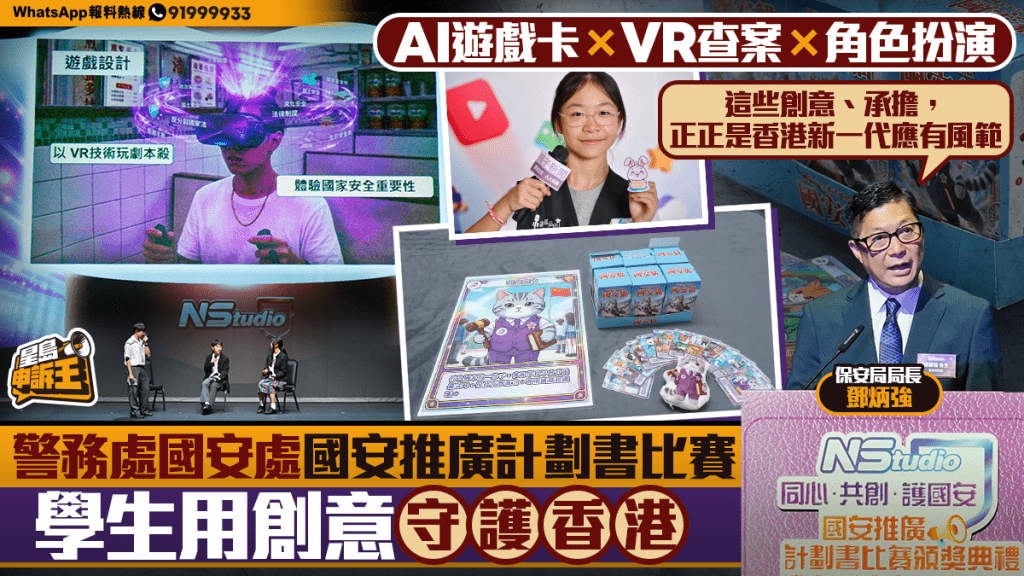









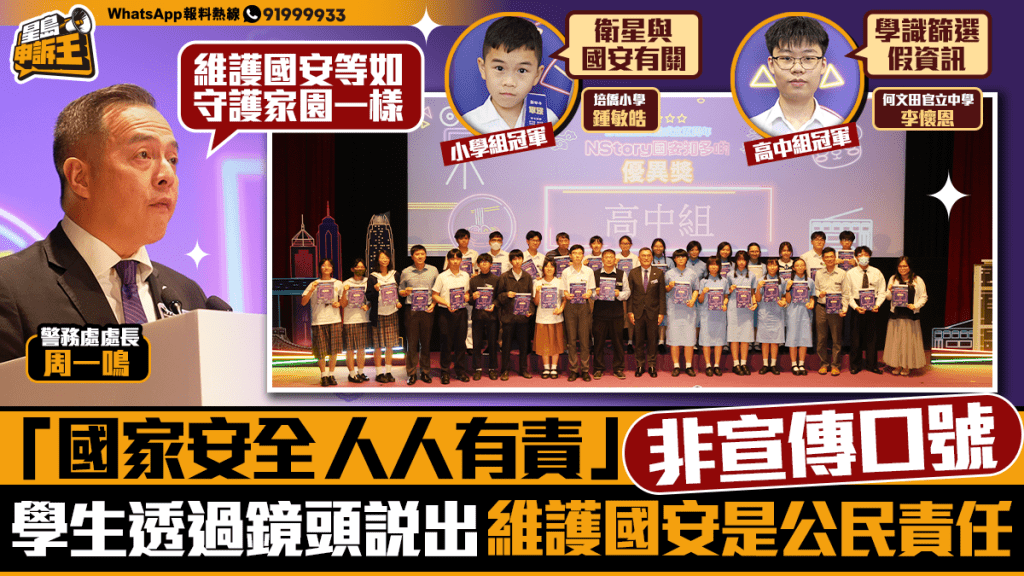

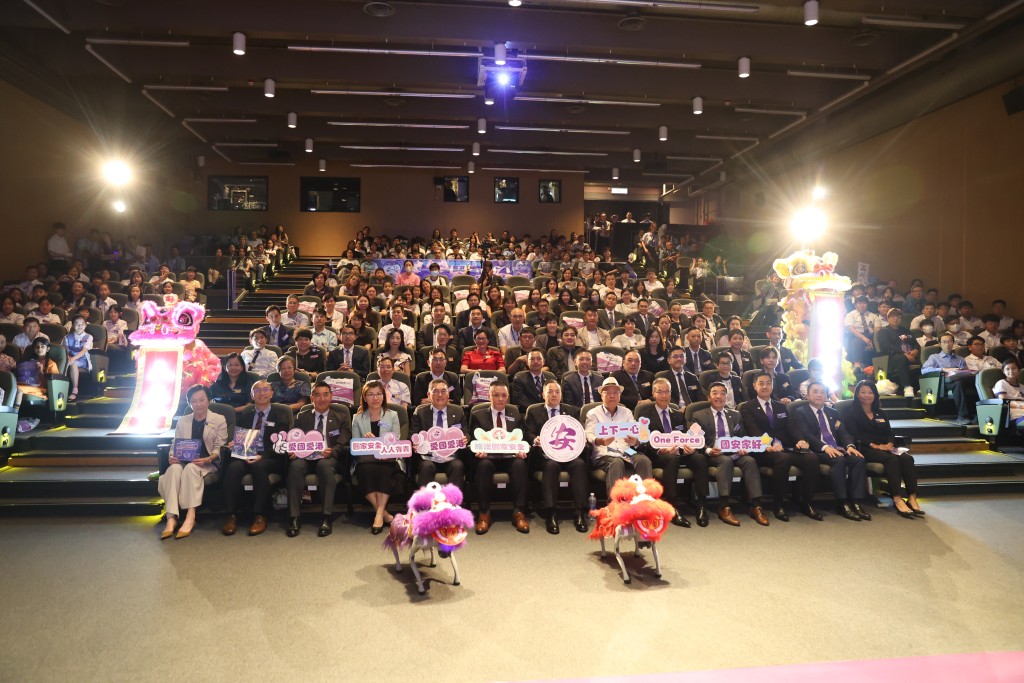
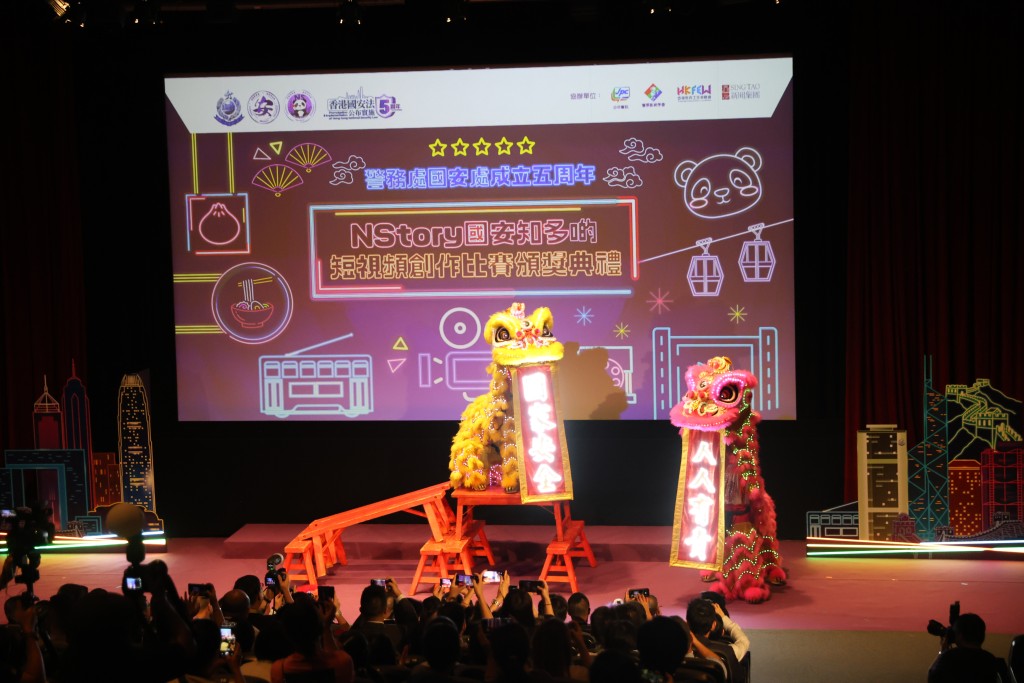
To further promote national security education, the National Security Department of the Hong Kong Police Force recently organized the "NStory: Learn More About National Security" short video competition.
The event successfully attracted 277 students from 43 primary and secondary schools, receiving over 100 entries.
Through the lens, students utilized lighthearted approaches to convey the message that national security is intimately connected to daily life, while instructing teachers guided them to recognize national security concepts in their everyday routines.
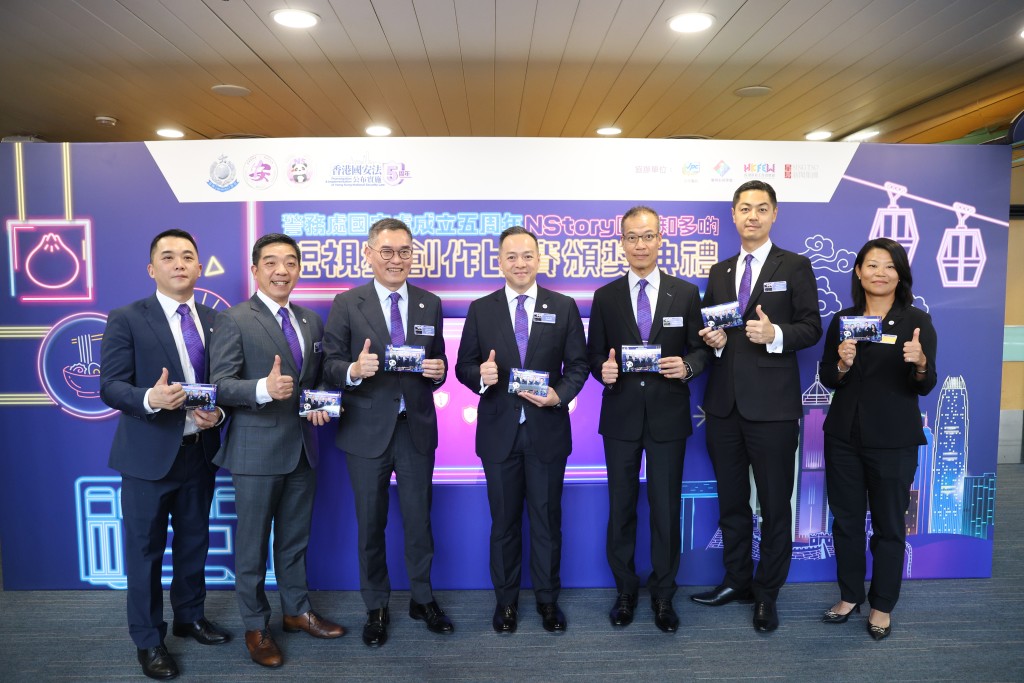
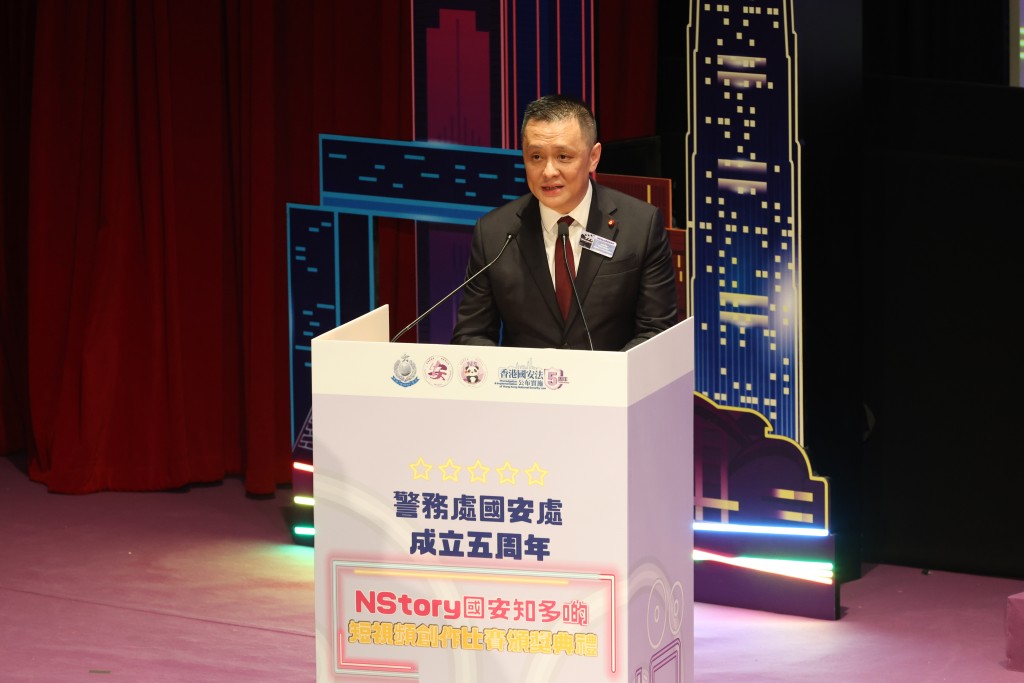
The award ceremony was held on July 14. In his speech, Commissioner of Police Joe Chow Yat-ming emphasized that securing the nation and plugging social security loopholes is equivalent to protecting one's home, making it the civic responsibility of every citizen.
He pointed out that only by consolidating the national security defense line can Hong Kong society continue to develop steadily.
Chow reiterated that safeguarding national security is a top priority, which makes the promotion of national security education a key focus for the police force. Various senior police officials attended the ceremony and served as award presenters.
The competition featured six award categories: Senior Secondary, Junior Secondary, Primary, Best Instructor Award, My Favorite Short Video, and Most Active Participating School.
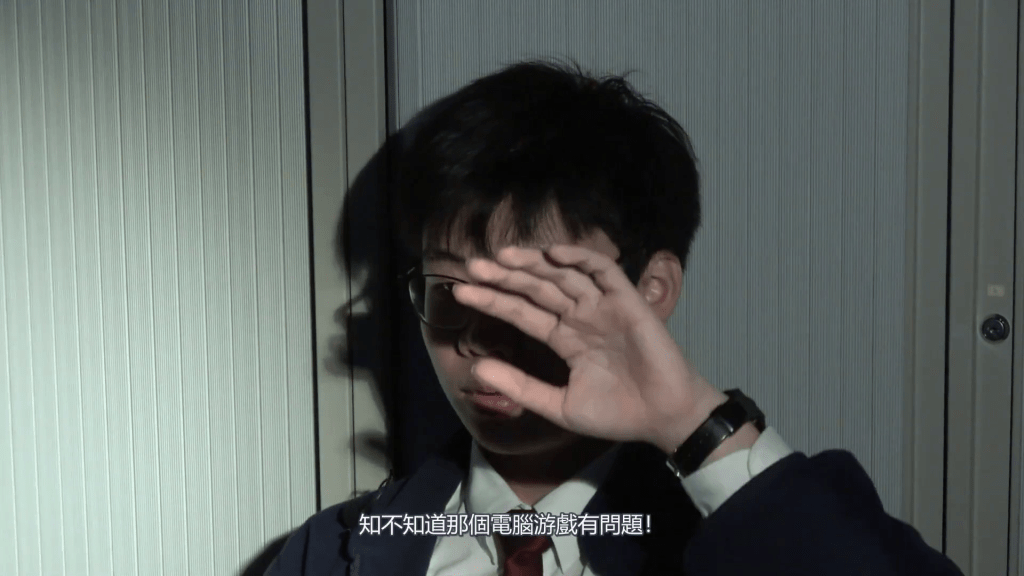
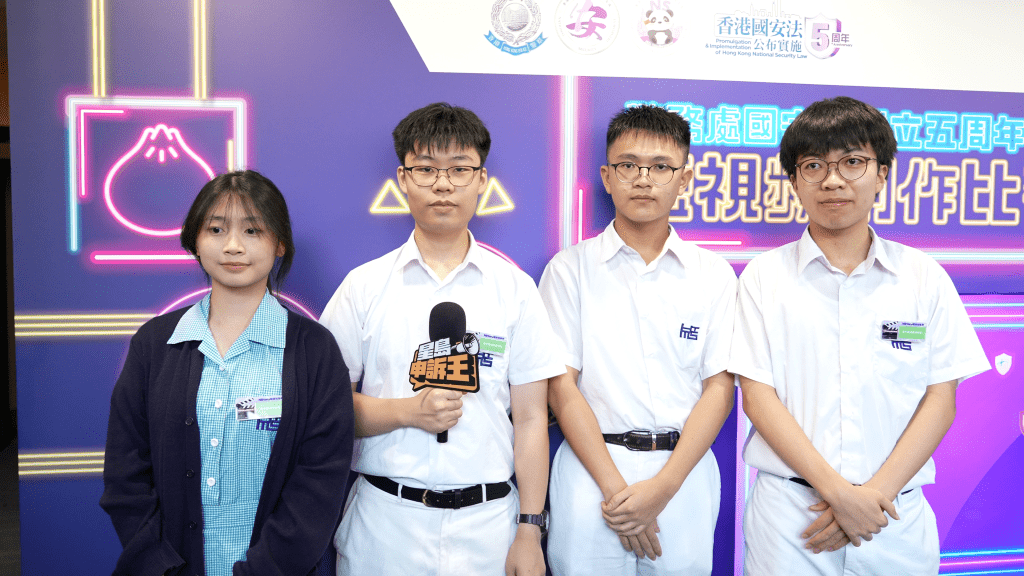
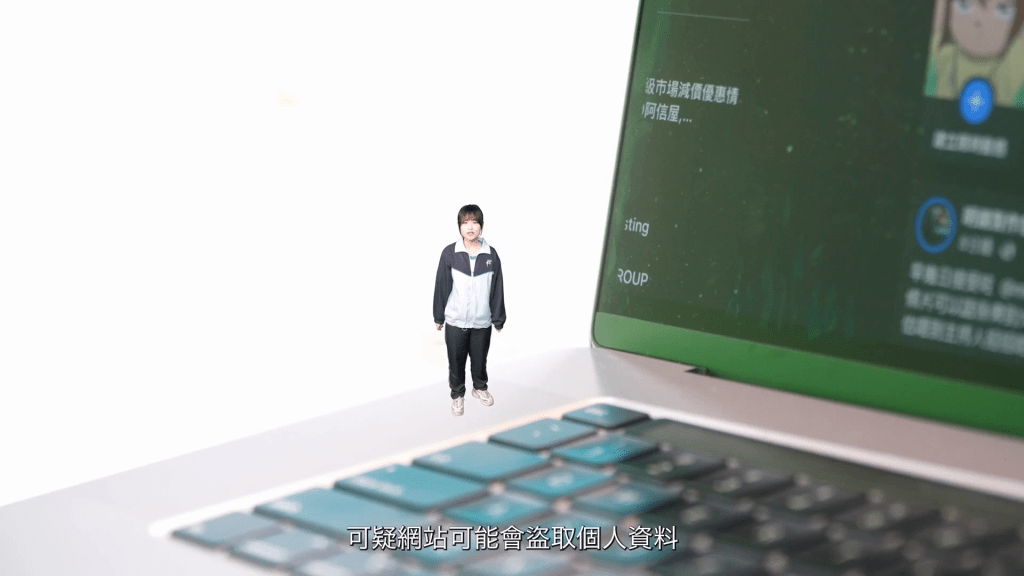
The Senior Secondary Division championship went to Homantin Government Secondary School for their work, "Hidden Threats," which highlighted messages about hackers and cybercrime to remind the public to set up protective firewalls.
Participating student Lee revealed that the video took about two months to shoot, noting that her biggest takeaway was gaining a deeper understanding of how the National Security Law protects citizens' lives during her research.
Instructing teacher Wong added that during the filming process, students realized everyday activities—such as playing computer games, making online remarks, or leaving comments on forums—are closely related to the National Security Law, thereby deepening their understanding of the legislation.
True Light Girls' College secured both the first and second runner-up spots in the Senior Secondary Division.
In the Junior Secondary Division, Ho Dao College (Sponsored by Sik Sik Yuen) claimed the championship with "Hidden Risks Lie Behind." The short film reminds the public to pay attention to cybersecurity and guard against online traps.
Student Tsang, who participated in the production, explained that cybersecurity is the risk area most accessible to students, encompassing threats like phishing and internet scams.
Instructing teacher Wong stated that if citizens carelessly handle verification codes during online shopping and let them fall into the hands of criminals, it could lead to not only personal financial loss but also potential national security issues.
Diocesan Girls' School and Munsang College were named joint first runner-ups in this division.
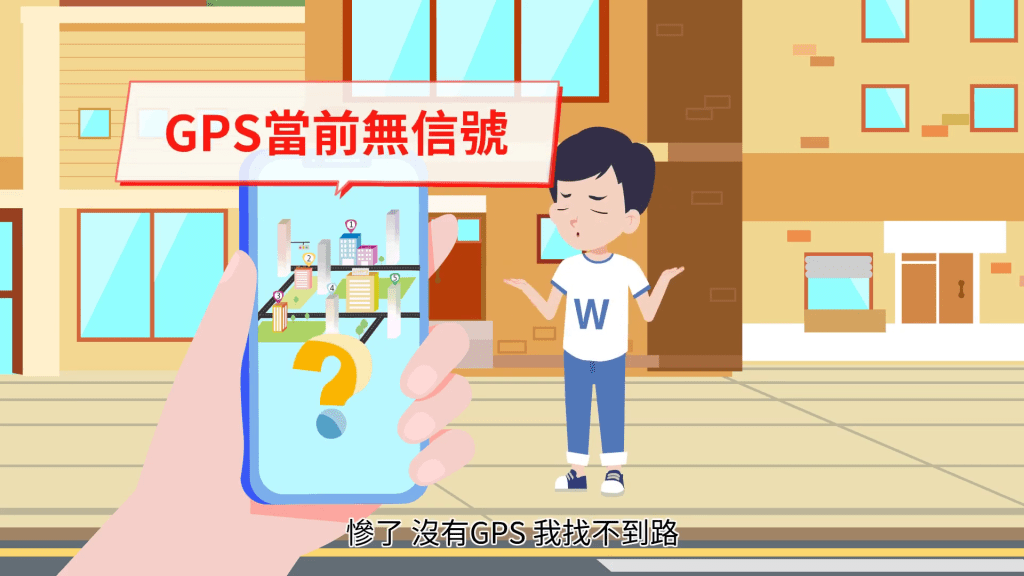
The Primary Division championship was awarded to Pui Kiu Primary School for "Satellites Connect You and I; Security Is Protected By Me," which tells the story of 535 Chinese satellites.
Student representative Chung stated that the video focuses on satellite security, illustrating how satellites impact both daily life and national security.
Instructing teacher Chan explained that students learned the immense importance of satellites, realizing that any issues with them would disrupt daily activities, from taking the MTR to ordering food.
Tai Po Old Market Public School and Yaumatei Kaifong Association School won first and second runner-up, respectively, in the Primary Division.
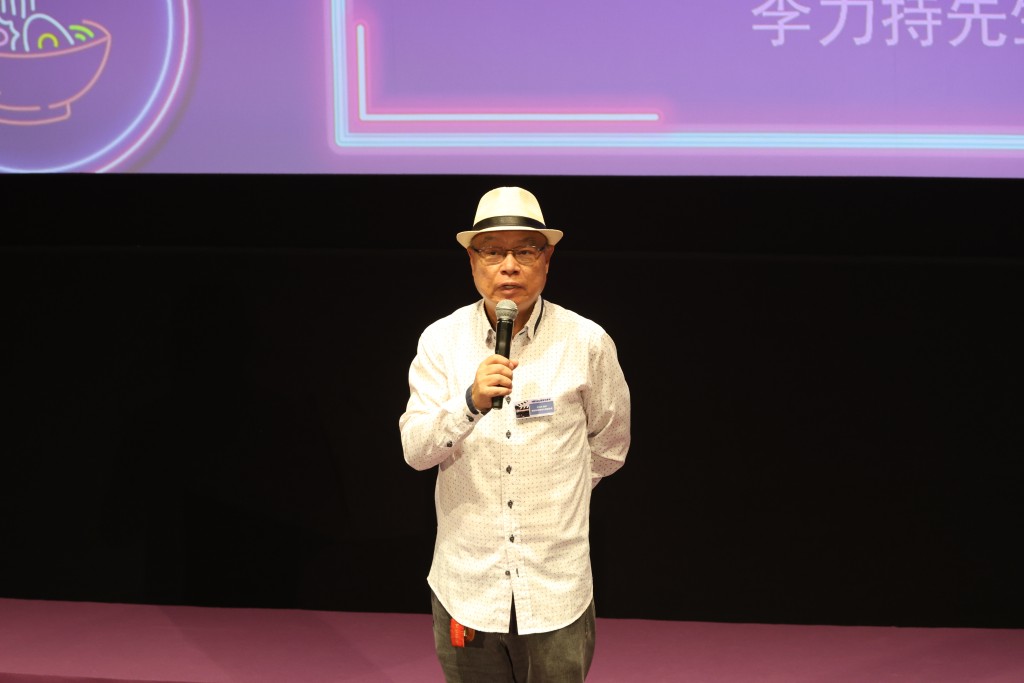
Serving as a judge for the competition, film director Lee Lik-chi remarked that short videos are a major trend, and students learned about different production roles and responsibilities while making them.
Through this filming experience, students discovered how to effectively deliver national security messages to the general public.
He cited a recent fast-paced and highly effective anti-scam video released by Secretary for Security Chris Tang Ping-keung as a prime example of this medium's potential.
Another judge, Legislative Council member Tang Fei, expressed that short videos perfectly cater to the current technological era.
He hopes students will utilize artificial intelligence in the future to create more videos or other multimedia products to promote national security, making the concepts even easier for young people to receive and understand.