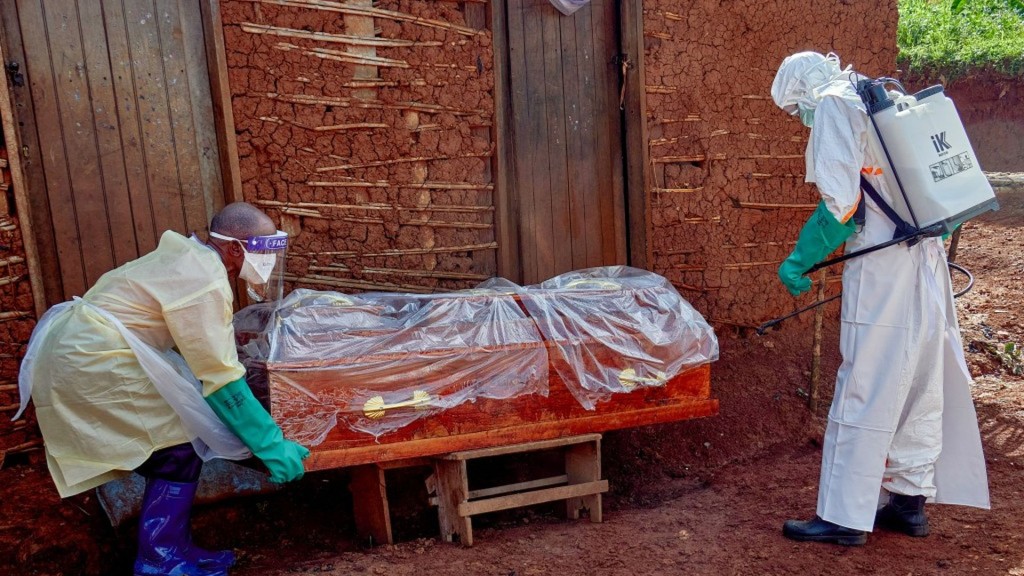
Hong Kong health authorities have reviewed and updated personal protective equipment guidelines for healthcare and frontline workers following recent Ebola outbreaks in the Democratic Republic of the Congo and Uganda.
The Scientific Committee on Infection Control under the Centre for Health Protection held a meeting on Monday to review the transmission risks of Ebola disease and confirm recommendations on the use of personal protective equipment.
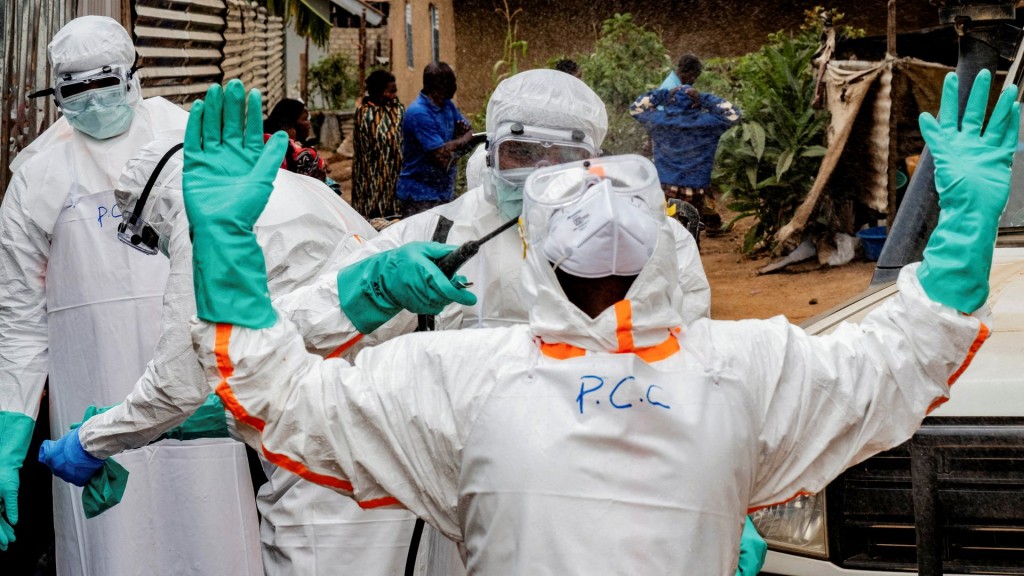
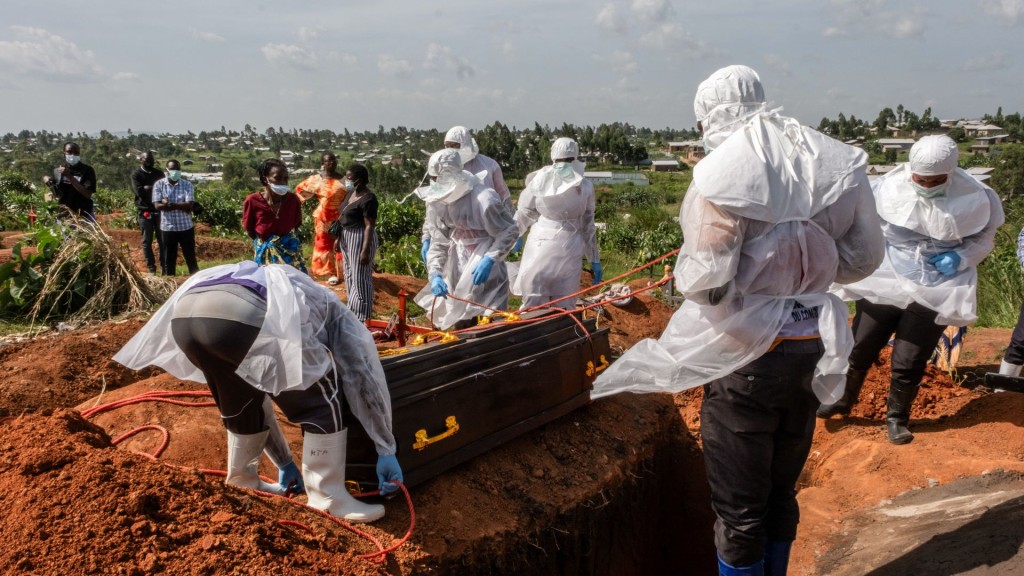
The committee reviewed guidelines for different settings and job duties, aiming to reduce infection risks for healthcare and frontline workers in both clinical environments and community venues.
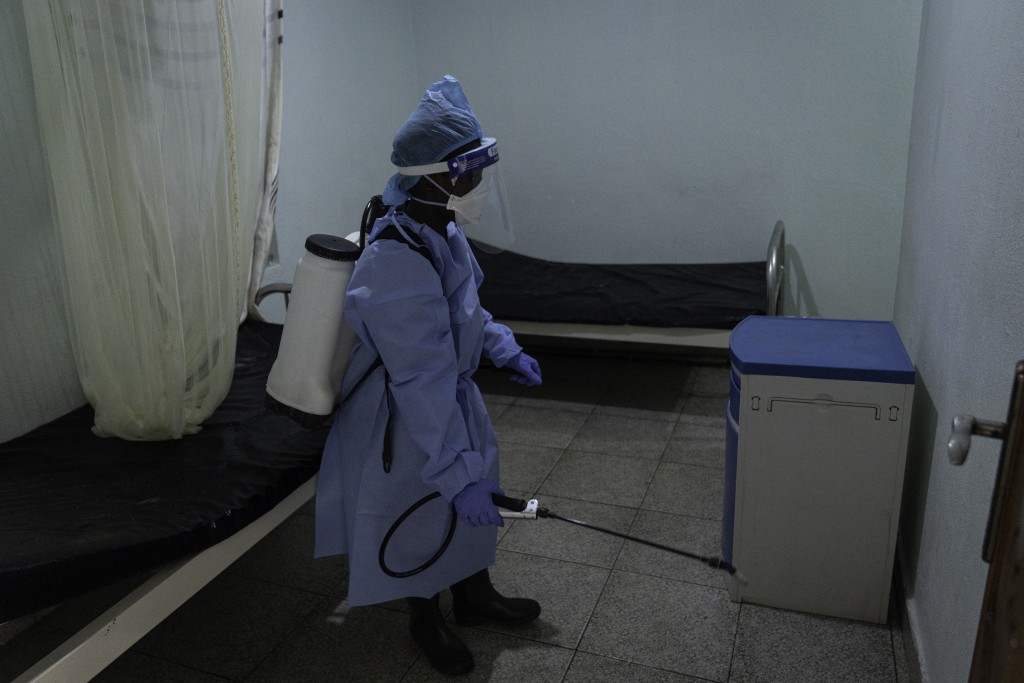
It also stressed that other infection control measures, including timely and proper hand hygiene, thorough environmental cleaning and disinfection, and proper waste management, remain crucial to preventing the spread of the virus.
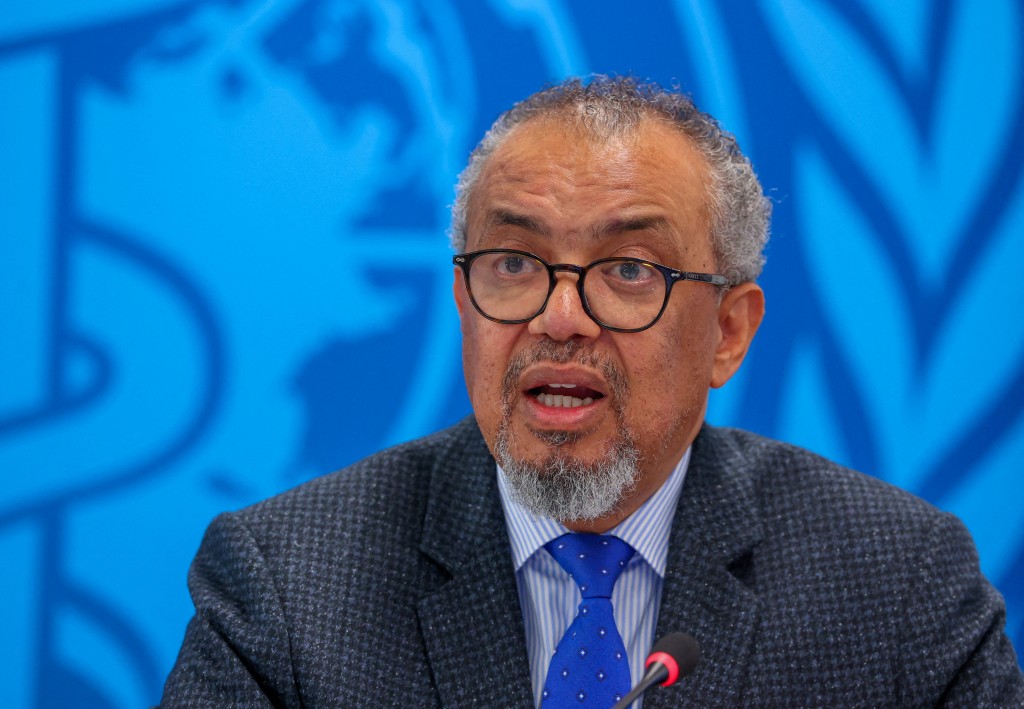
Controller of the Centre for Health Protection Edwin Tsui Lok-kin said Ebola is a severe acute viral disease mainly transmitted through direct close contact with the blood, secretions, organs or other body fluids of infected people through broken skin or mucous membranes. It can also spread through indirect contact with environments contaminated by such fluids.
Tsui said more than 60 percent of patients experience vomiting and diarrhea, which may generate infectious droplets. Given that patients may require aerosol-generating procedures and that the disease has a high fatality rate, additional precautionary measures are necessary.
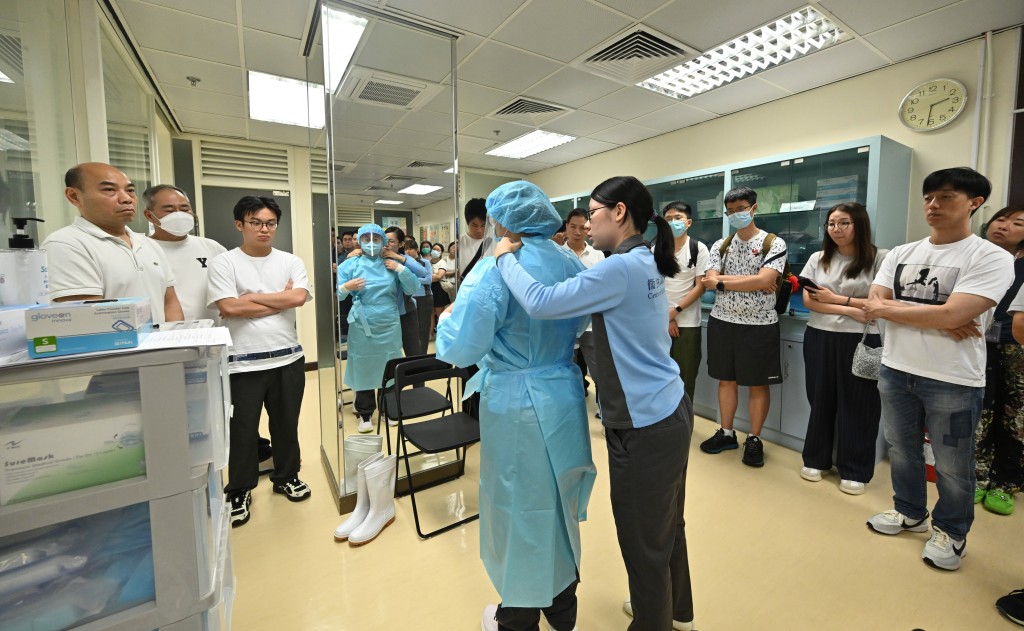
The center’s Infection Control Branch has been conducting training sessions for various government departments and organizations since late May.
The training covers the proper use of personal protective equipment, donning and doffing procedures, and related infection control principles.