Health authorities are ramping up precautions as an Ebola outbreak grips central Africa. Experts warn that the disease's symptoms closely resemble those of the common cold or gastroenteritis, making early detection challenging.
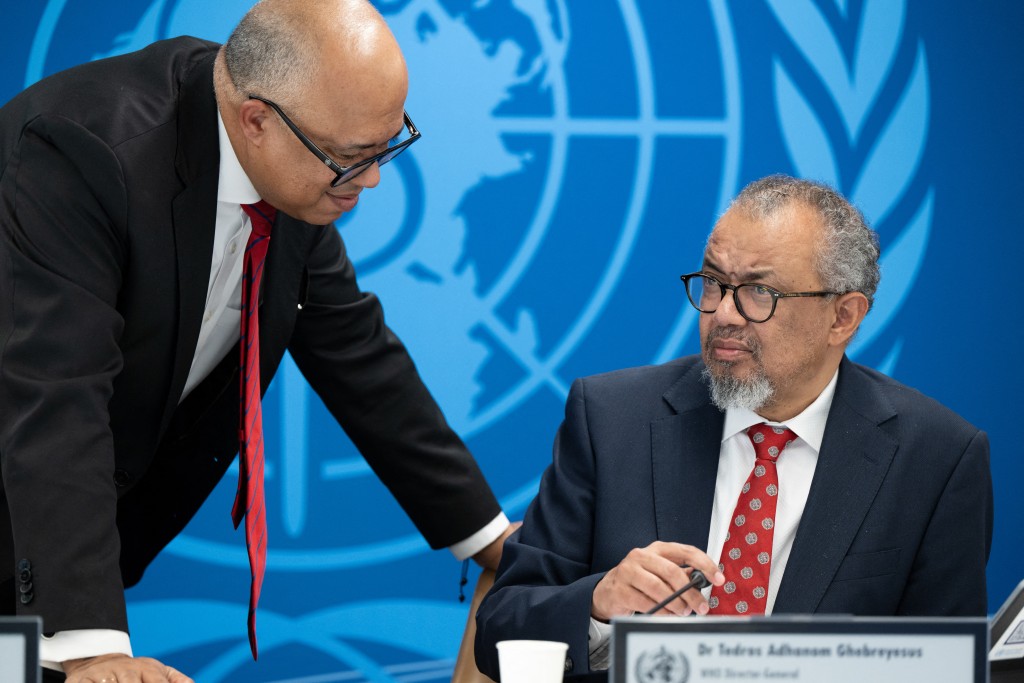
The city has activated the "Alert Response Level" of its Ebola preparedness plan after the World Health Organization (WHO) declared the outbreaks in the Democratic Republic of the Congo (DRC) and Uganda a public health emergency of international concern.
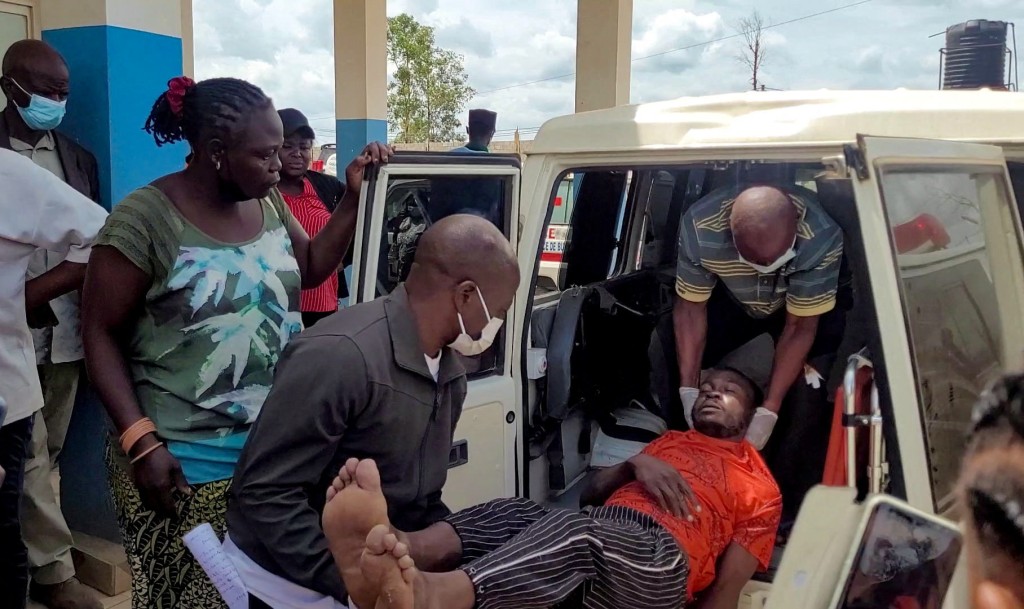
Infectious disease specialist Dr. Joseph Tsang Kay-yan, speaking on a radio program, expressed concern that the outbreak could worsen in the coming weeks. More than 330 suspected and confirmed cases and over 80 deaths have been reported in the DRC alone.
As the virus has now spread to densely populated, high-traffic areas, including commercial hubs and mining towns, he believed the real number of infections could be higher.
The current outbreak is caused by the Bundibugyo virus, which Tsang said is different from the Ebola Zaire strain seen in previous outbreaks, where no specific preventive vaccine or targeted treatment exists for this strain yet.
However, he clarified that Ebola is not transmitted through respiratory droplets or short-range airborne transmission, stressing “simply walking past a patient will not cause an infection.” He explained that transmission requires direct contact with an infected person’s bodily fluids, including blood or vomit, which puts healthcare workers in the highest-risk group.
Citing the situation in Africa, Tsang said at least four medical staff have already died from infection while treating patients, reminding all medical facilities to enforce strict protection methods.
He also urged all doctors to ask patients if they have traveled to affected areas in the past 21 days, noting the virus's incubation period ranges from 2 to 21 days and symptoms, such as fever, vomiting, diarrhea, resemble a common cold or gastroenteritis.
Considering that there is no rapid test for Ebola, Tseng stressed suspected cases must be immediately reported to the Centre for Health Protection to isolate the patient and send blood samples for laboratory screening.
Under the preparedness and response plan, he believed the implementation of temperature checks at airport and land border checkpoints is necessary but insufficient. He advised the authorities to add signs and announcements urging symptomatic travelers from affected regions to declare their health status.
Additionally, he recommended that flight attendants follow stringent protocols when dealing with vomiting passengers, including wearing protective gowns, gloves, and masks, as well as isolating the passenger from others.
"There is no need for excessive worry, but high vigilance is essential," said Tsang, suggesting the authorities keep close contact with the WHO and mainland health authorities on the development of the outbreak.
Meanwhile, local hospitals should review their supplies of protective gear and ensure negative-pressure rooms are available, he added.
He also suggested the government issue a travel health alert for the DRC and Uganda, advising citizens to avoid non-essential travel to affected areas.