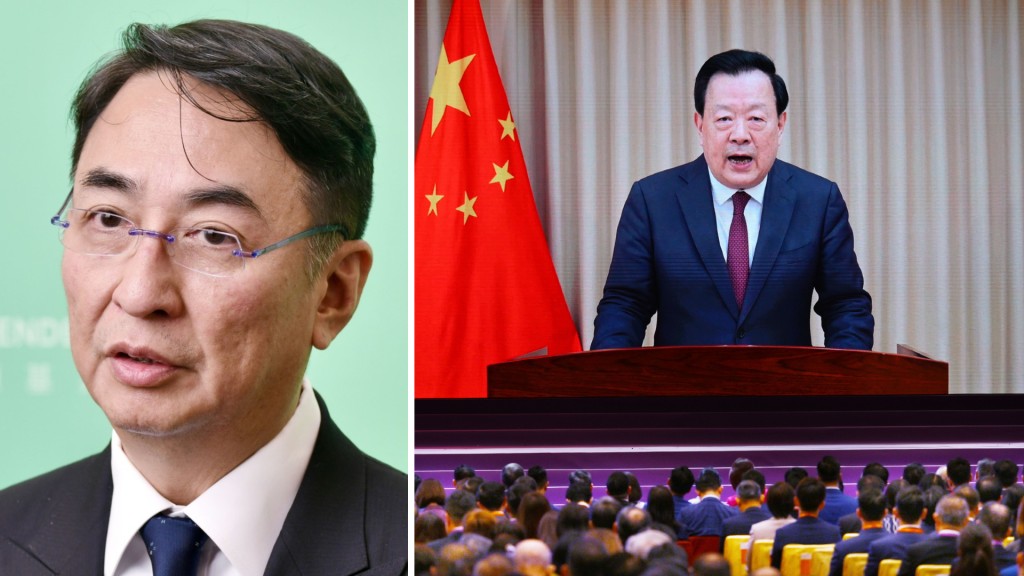
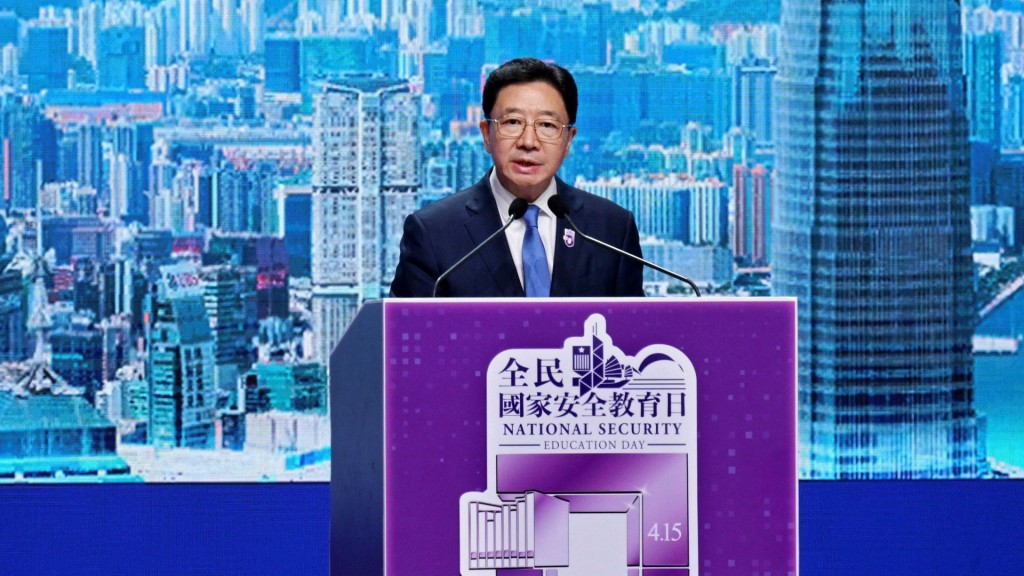
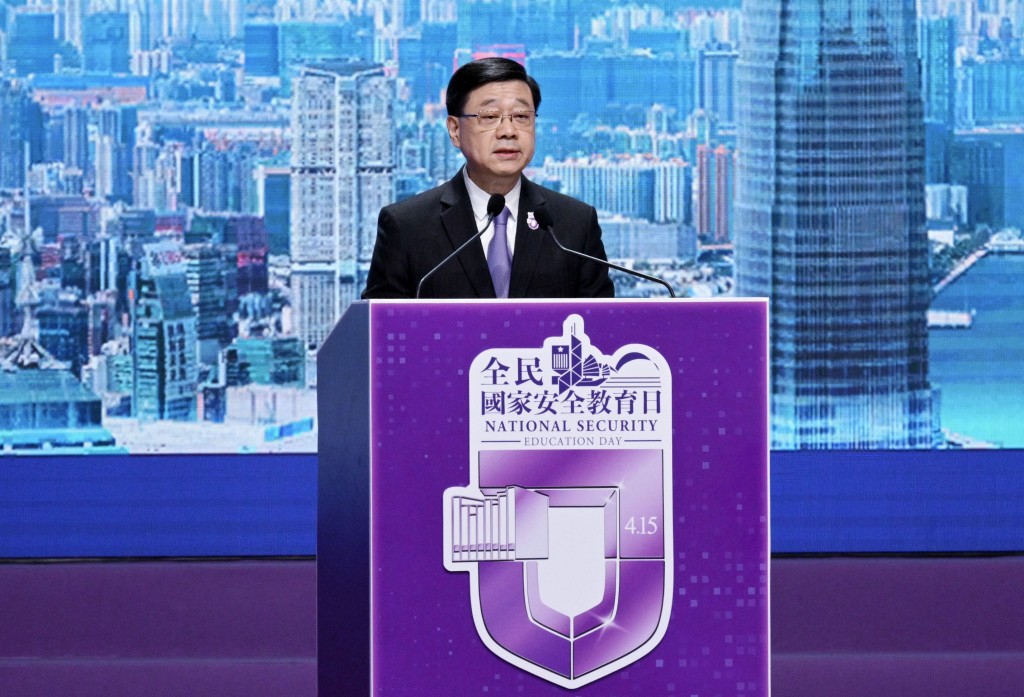
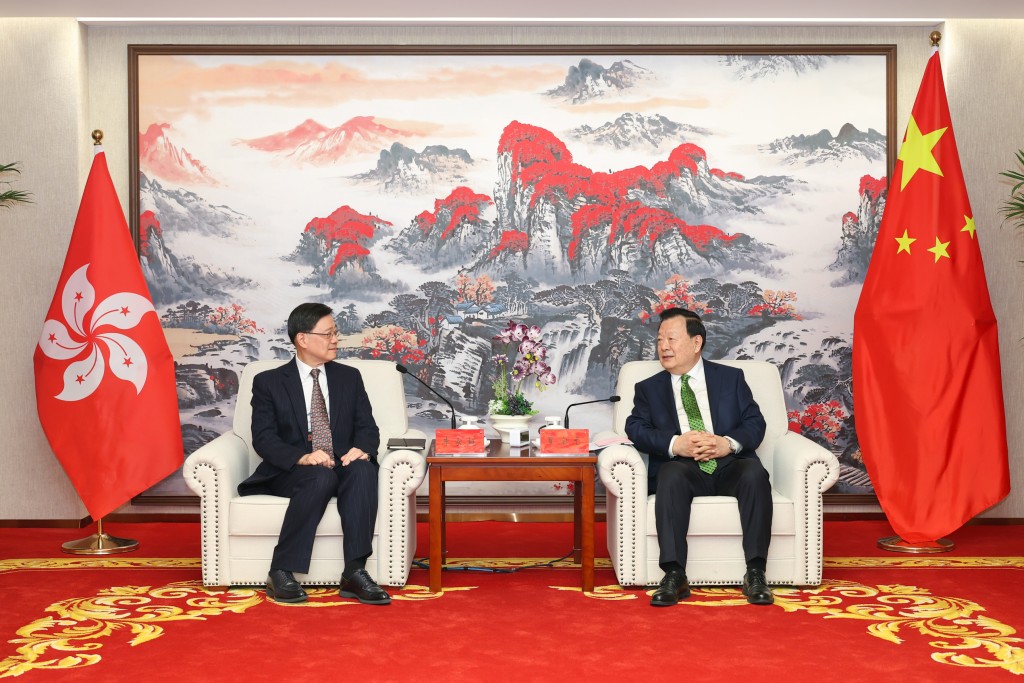
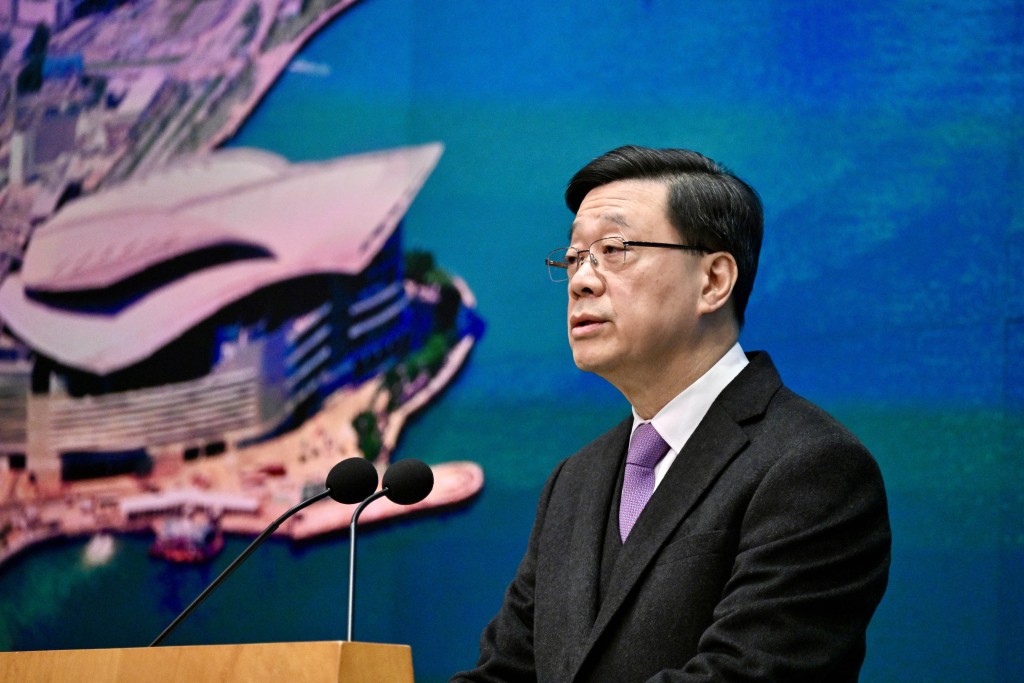
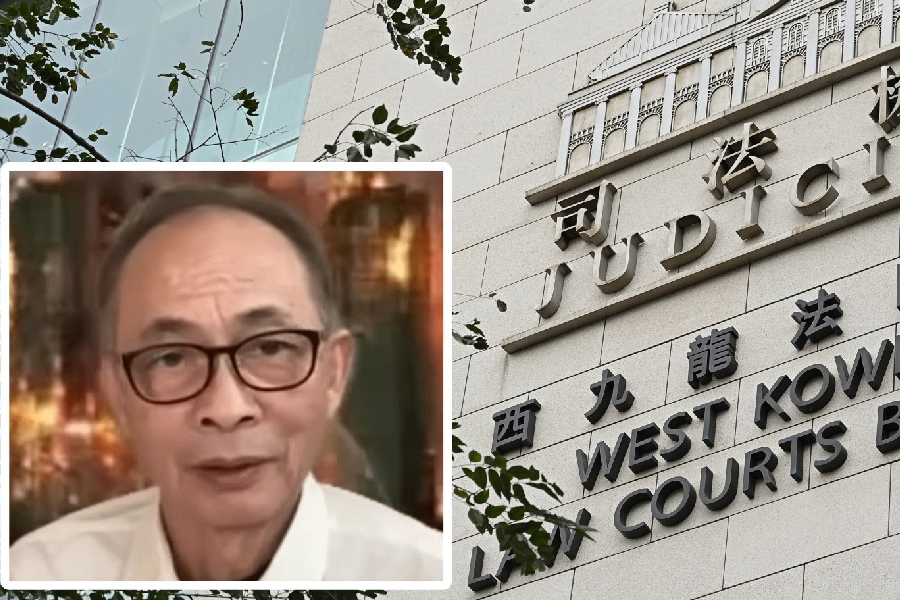
The address from the director of the Hong Kong and Macao Affairs Office of the State Council Xia Baolong on National Security Education Day interpreted a high-level strategic roadmap for Hong Kong, outlining the inseparable relationship between security and development, said chairman of Henderson Land Group Peter Lee Ka-kit.
Xia on Wednesday (Apr 15) emphasizes that Hong Kong's future prosperity hinges on integrating its hard-won stability with a proactive development strategy aligned with the nation's goals, and the city must strengthen bottom-line thinking and remain vigilant at all times against all potential risks, including in particular external interference, geopolitical risks, and public security risks.
Lee, also a member of the Standing Committee of the 14th National Committee of the Chinese People’s Political Consultative Conference, said that at a time of accelerating global change, geopolitical tensions, and intertwined risks, stability cannot be taken for granted, nor is a security barrier, once established, a permanent guarantee.
He noted that the entire community must strengthen its national security awareness to protect Hong Kong's current positive trajectory. With the opportunities presented by the nation's "15th Five-Year Plan" on the horizon, the key for Hong Kong is to translate its stable environment into tangible results.
Lee highlights three critical areas for Hong Kong to focus on to secure its future competitiveness.
Firstly, being more forward-thinking to optimize the city's economic structure and urban functions is a must.
Secondly, innovation and technology must be given greater prominence to build a new pillar for Hong Kong's future.
Thirdly, Hong Kong must align with the global green transition, positioning itself in the new fields of energy transformation and sustainable development for crucial opportunities to enhance resilience and create new growth areas.
Lee noted that the business and entrepreneurial sectors have a vital and inescapable role in the process. With their market knowledge and international connections, business leaders are urged to align their corporate strategies with Hong Kong's long-term interests and the nation's development direction.
They are called upon to make more active contributions to supporting I&T industries, participating in the construction of the Northern Metropolis, assisting youth development, and driving industrial transformation to boost Hong Kong's growth and social harmony.
Lee believed that as long as all sectors of Hong Kong society grasp the One Country, Two Systems principle and work with greater confidence, the city will solidify its advantages and make new, significant contributions to the nation's modernization.