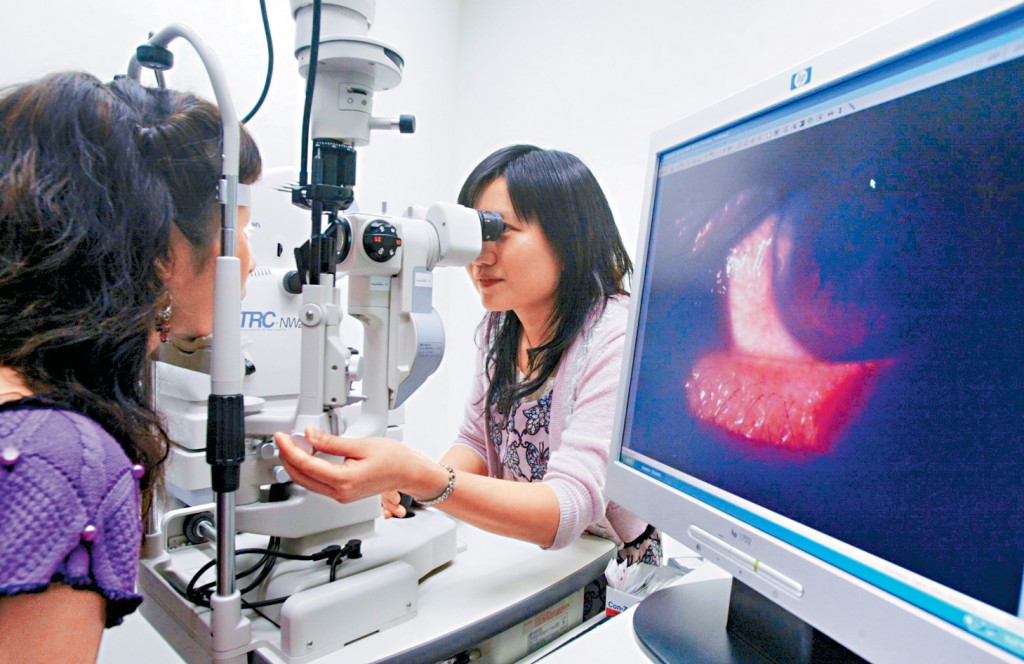
Patients at the Hospital Authority (HA)’s eye clinics will soon say goodbye to paper records, as the transition to fully paperless ophthalmology services is expected to be completed by the end of this year.
To improve efficiency and streamline the transfer of medical data, the HA initiated the digitalization scheme in phases beginning in 2022, starting with diagnostic tests such as fundus photography and optical coherence tomography.
The next phase will expand the system to include additional eye records for patients with conditions such as glaucoma, macular degeneration, and diabetic eye disease.
The program is expected to encompass seven hospital networks, 12 hospitals, and more than 250 eye imaging devices, handling between two and three million image transmissions each year.
Under the new system, images and results from vision and eye pressure tests will be instantly uploaded to a central server located at the Hong Kong Children’s Hospital.
Each patient will receive a unique QR code, allowing healthcare professionals to quickly access their files. This will streamline cross-hospital consultations and help minimize errors.
Noel Chan, a member of the HA's Coordinating Committee in Ophthalmology, noted that the centralized server for patient records will enhance long-term monitoring and support further clinical research.
Looking ahead, the HA plans to integrate artificial intelligence with electronic eye records for macular degeneration patients to improve diagnostic efficiency. A pilot program is scheduled to launch next year.
Additionally, an AI-driven system will be implemented to highlight critical areas in patient histories requiring further medical attention.
In response to rising demand for traditional consultations, the HA is also exploring a virtual eye clinic platform that would allow patients to receive assessments from doctors without the need for in-person visits.