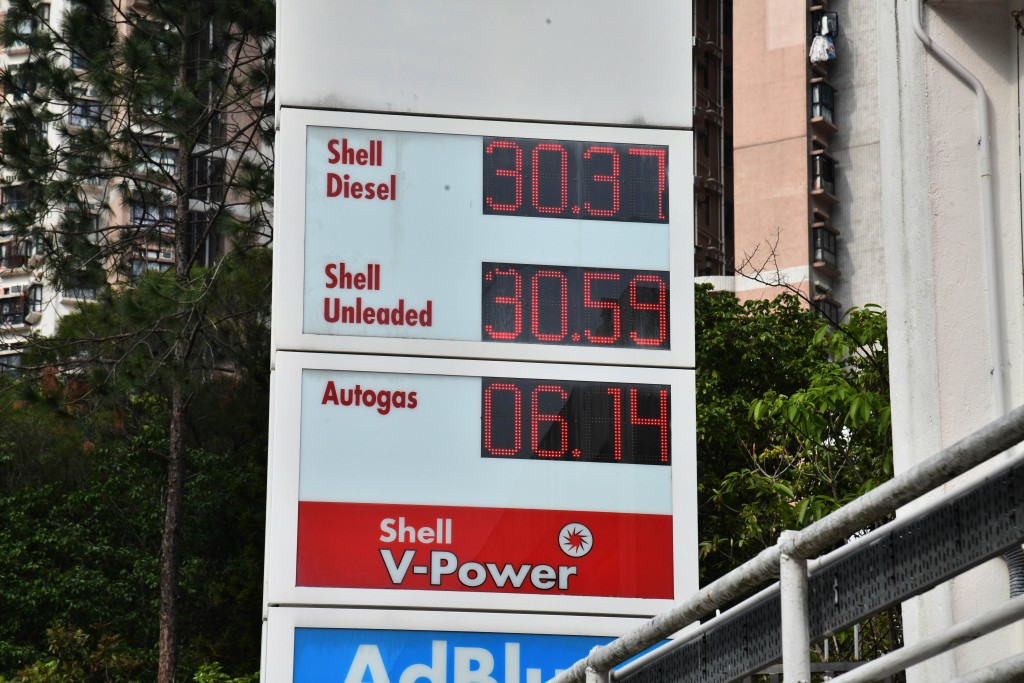
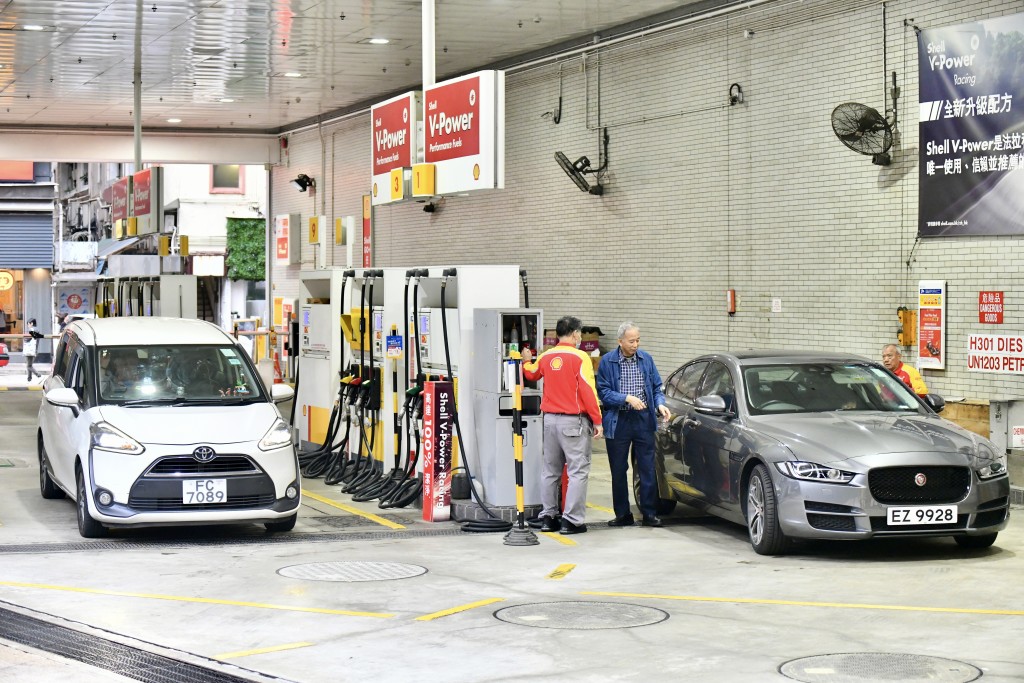
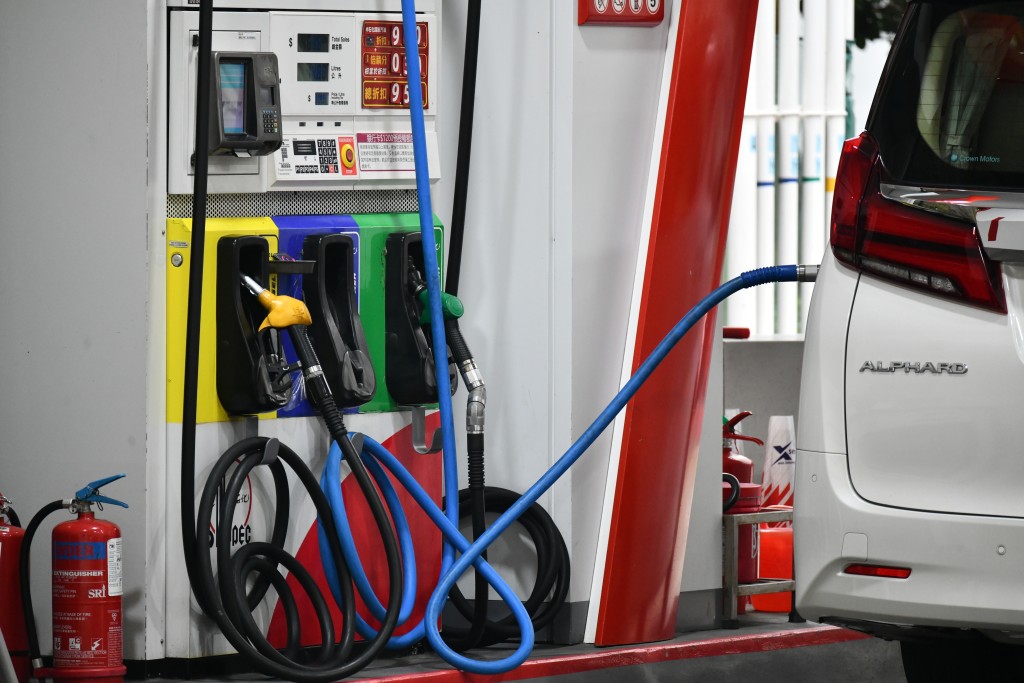
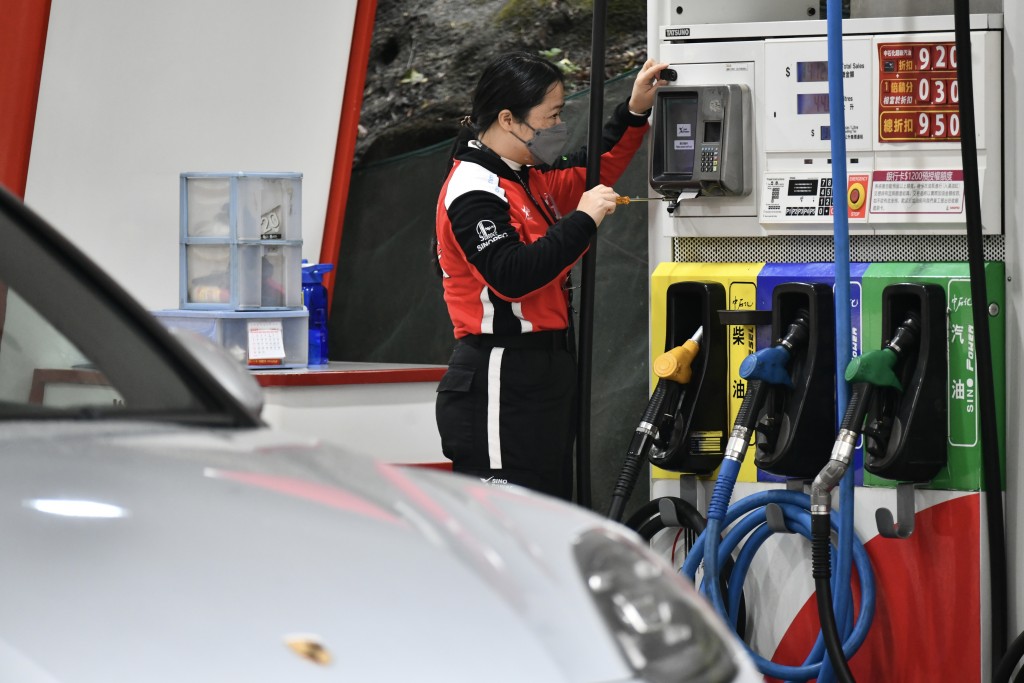
With Middle East tensions driving global petrol to new highs, the city’s ticking meter is adding to the burden on motorists with the world’s “priciest” fuel, despite years of scrutiny and government oversight. Notably, the strain at the pump intensified on Monday (Mar 9) as premium petrol hit HK$32.39 per litre and diesel climbed above HK$30—the highest levels since July 2022.
The costs associated with owning a petrol vehicle in Hong Kong—such as fuel prices and parking fees—have long been a concern for drivers.
The consistently high prices have fueled skepticism regarding possible collusion among fuel companies, yet a 2017 report by the Competition Commission found no conclusive evidence of price-fixing. Although the Consumer Council launched a price comparison platform in 2020, the underlying issue of exorbitant costs remains.
In response to the criticisms, oil companies point to Hong Kong's lack of refineries and that the cost beyond import prices, from land tenders to logistics, but the actual operation cost remains a “commercial secret”.
Four times pricier than Taiwan
Lawmaker Adrian Pedro Ho King-hong highlighted the stark comparison of petrol prices between Taiwan and Hong Kong, where 98 Ron fuel hovers around the 30-dollar-per-liter mark, but the crucial difference in currency makes Hong Kong's price effectively four times higher.
Ho also criticized the limited fuel choices available that forced drivers to tolerate higher prices, and revealed plans to seek more market data at a special Finance Committee meeting.
Spike in EV sales
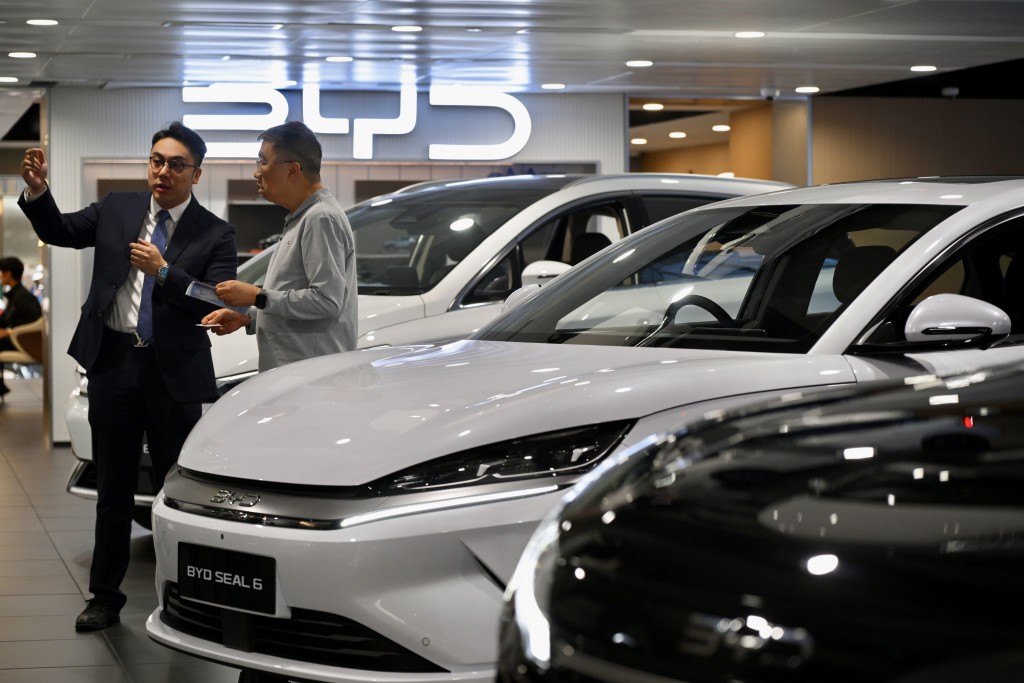
Despite the government scrapping first-registration tax concessions for electric private cars in the latest Budget, the recent fuel hike is giving EV sales a boost.
Industry insiders suggest that the high prices could be a strategic move by oil companies anticipating a decline in fuel demand as EV adoption rises. With land bids for petrol stations running into the billions, sources say oil companies are trying to maximize profits during this transition phase.
Some even suspected the expiry of the “One-for-One Replacement” Scheme may be indirectly linked to oil companies' pulling strings behind the scenes.
Government intervention?
As the latest surge in oil prices is largely driven by expectations that the Middle East conflict may persist, sources indicate the government is closely monitoring the situation and assessing the impact of rising prices, including potential inflationary effects.
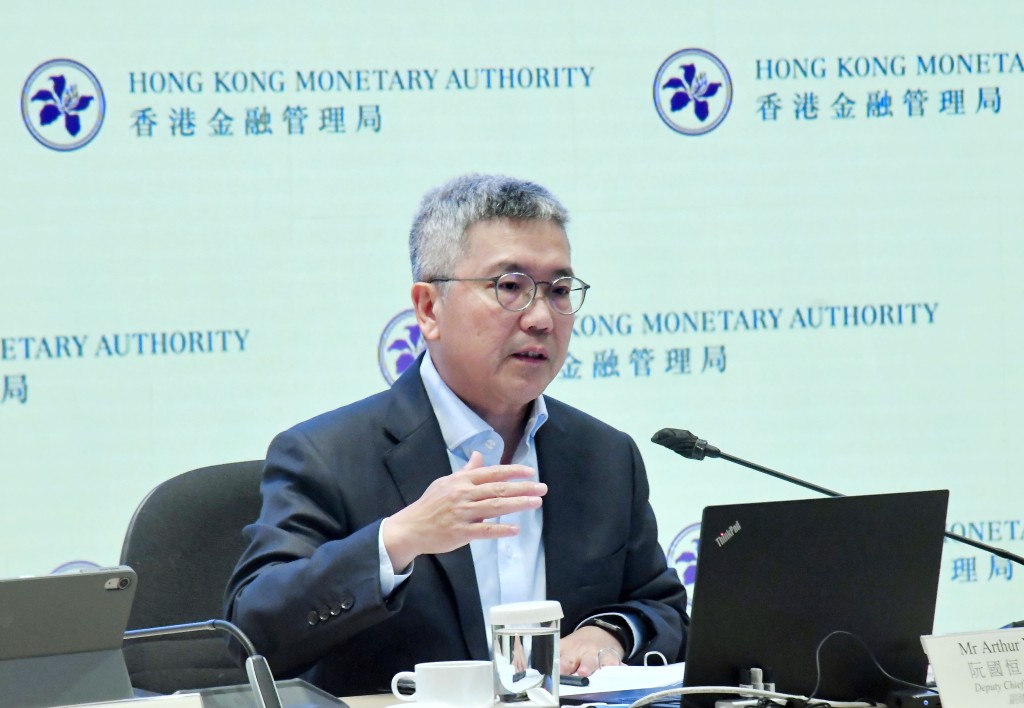
Terence Chong Tai-leung, executive director of the Lau Chor Tak Institute of Global Economics and Finance at Chinese University, noted that while oil companies—neither listed nor public entities—are entitled to keep financial data private, their uncompetitive market and lack of transparency inevitably breed public distrust.
He suggested government intervention could follow the power companies' model—capping profits and mandating transparency—or adopt the mainland's price-capping legislation.
However, he cautions that with EVs gaining ground, lawmakers must weigh whether such legislation for the fuel market is necessary.
With many drivers seeking alternatives, Wong, an EV dealer, reported selling about 100 cars at a weekend expo—doubling the usual number.
“The climbing oil prices brought in some buyers who hadn't even considered switching," he said, adding that uncertainty over the Middle East conflict and the approaching deadline for the "One-for-One Replacement" scheme have further driven interest.