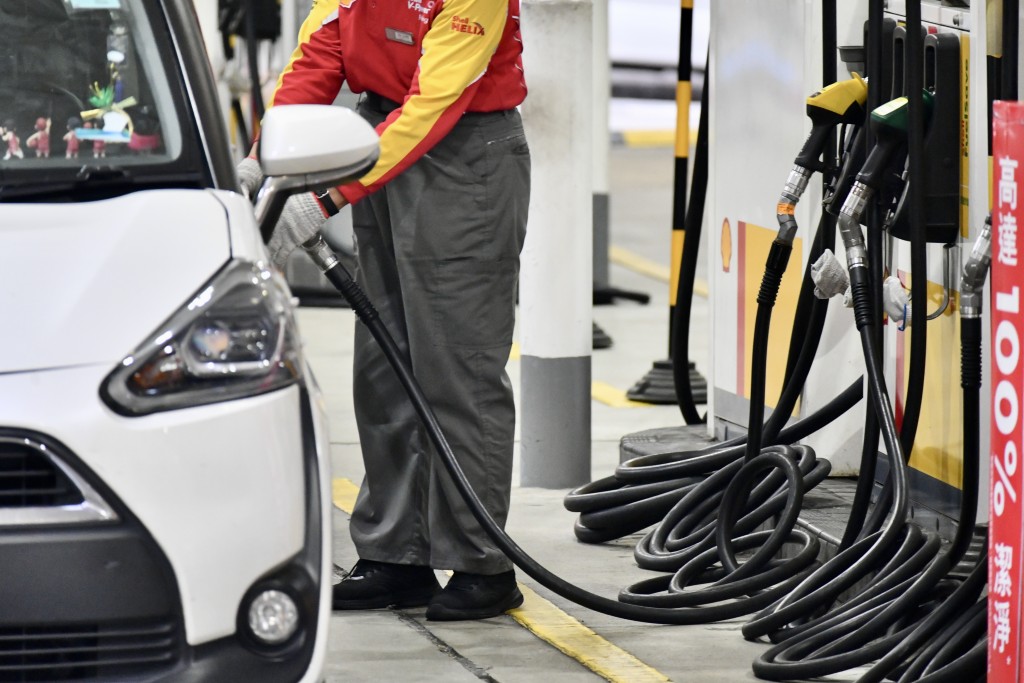
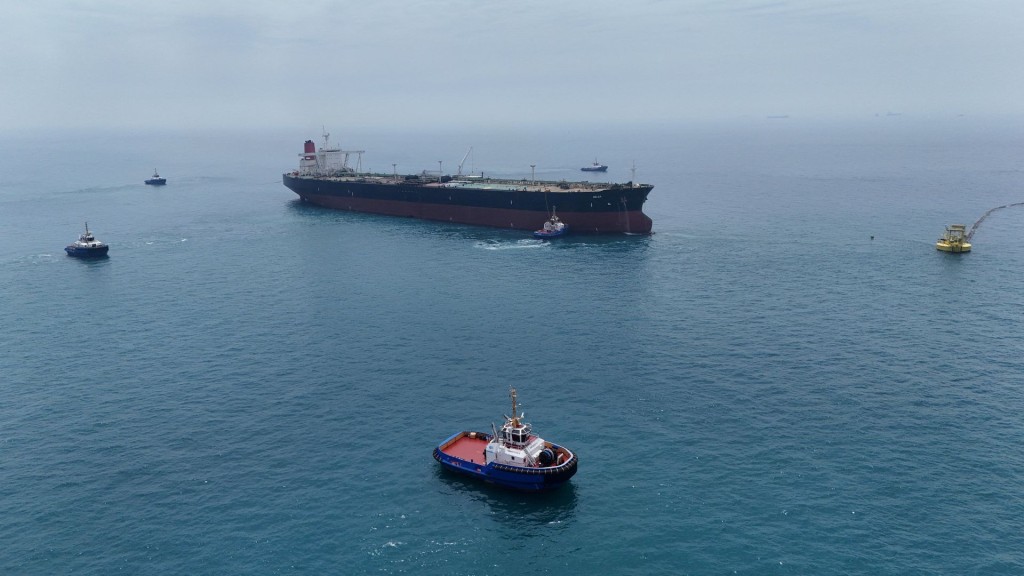
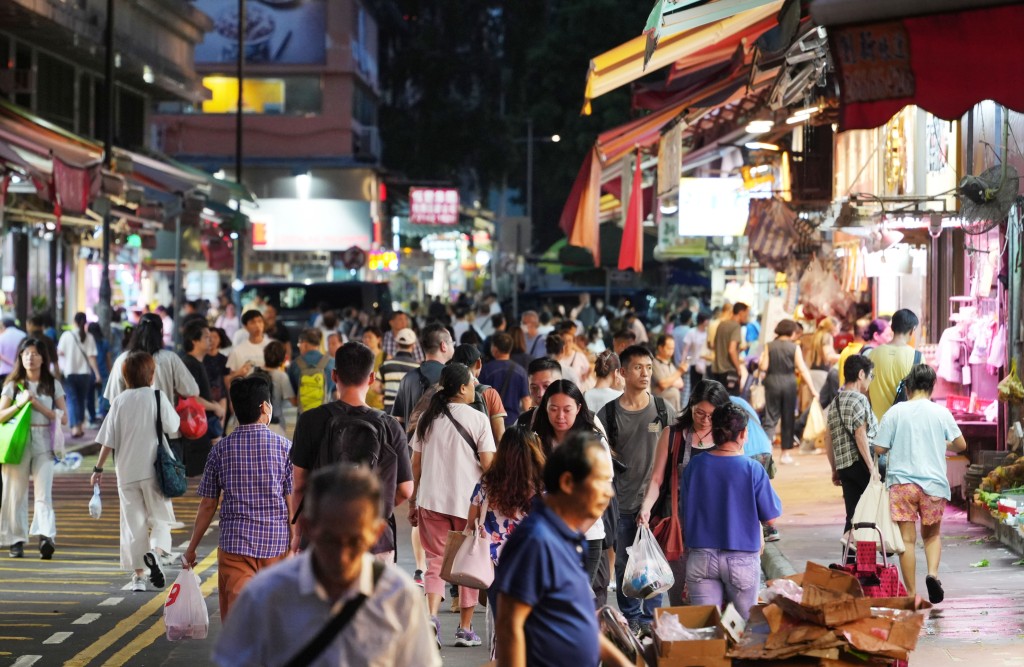
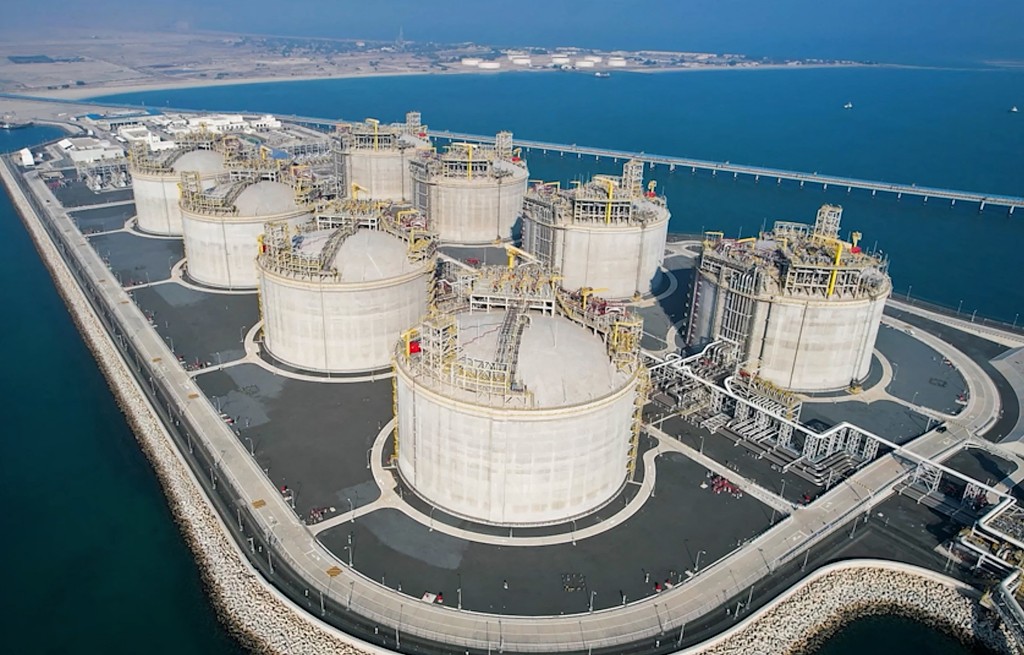
As tensions in the Middle East push global oil prices higher, petrol prices in Hong Kong have climbed to their highest levels in nearly three years, leaving drivers feeling the strain.
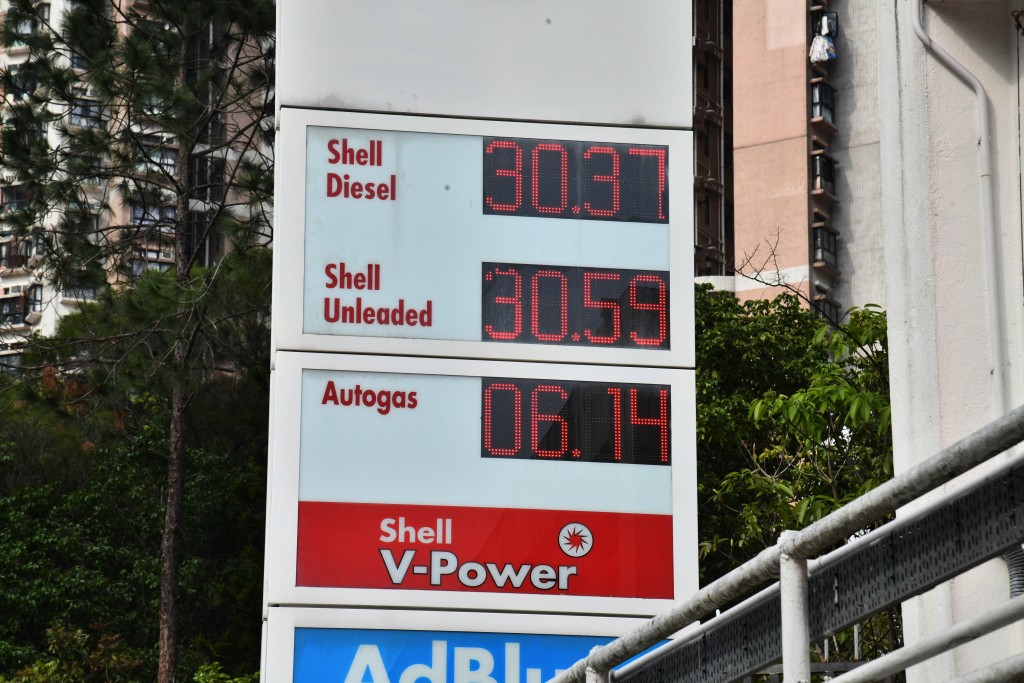
According to reports, premium petrol prices in the city have risen to HK$32.39 per litre, while diesel prices have climbed above HK$30 per litre — the highest levels since July 2022.
Some motorists say the rising costs are forcing them to cut daily spending, consider switching to electric vehicles, or even explore cross-border refueling options.
Cutting back on daily expenses
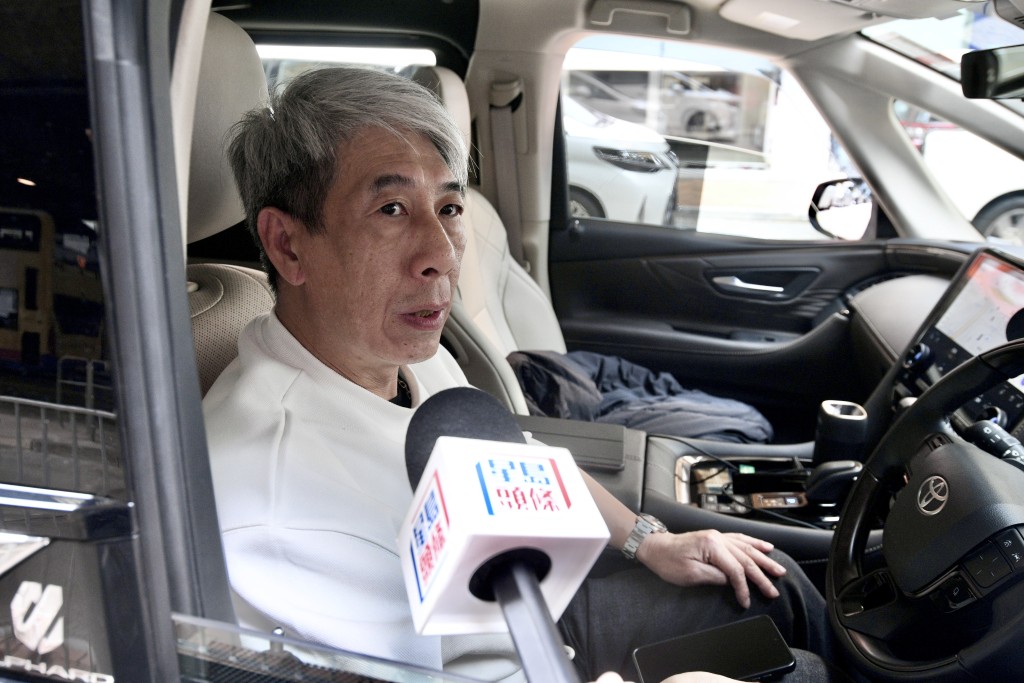
During a recent visit to a Wan Chai petrol station by Sing Tao Daily, the sister publication of The Standard, a driver Choi said the latest price surge has placed significant pressure on his household budget.
Choi, who regularly monitors fuel prices, said petrol had jumped from about HK$29 per litre last week to HK$30.59, marking an increase of HK$1.59, or about 5.5 percent, within just a few days.
As he relies heavily on driving due to mobility constraints, he said petrol has become an unavoidable monthly expense. The rising costs have prompted him to consider refueling across the border in mainland China while reducing other daily spending.
“I hope prices will drop soon to ease the pressure on grassroots citizens,” he said.
Company drivers concerned about livelihoods
Another driver, Kwan, who operates a company vehicle, said his employer currently covers fuel expenses but expressed concern that rising costs could eventually affect his working hours or benefits.
Kwan suggested that the government consider introducing tax relief measures or fuel vouchers to help residents cope with rising fuel costs.
Drivers mull electric switch
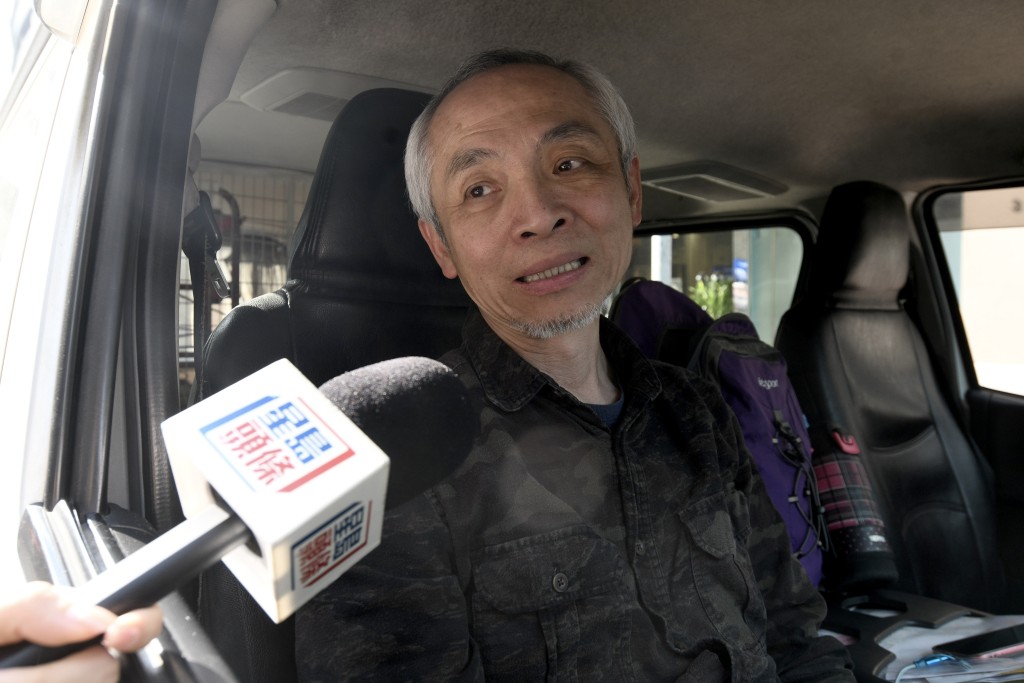
Private car owner Wong said the surge in petrol prices is directly affecting his living expenses and has led him to seriously consider switching to an electric vehicle.
“I hope the government can roll out preferential policies to stabilize and eventually lower fuel prices in the city,” he said.
Meanwhile, a light goods vehicle driver, also surnamed Wong, said fuel now accounts for 10 to 15 percent of his operating costs, representing an increase of 10 to 20 percent compared with last month.
Although he has no plans to refuel across the border, he said he hopes prices will fall soon to ease the pressure on transport operators.