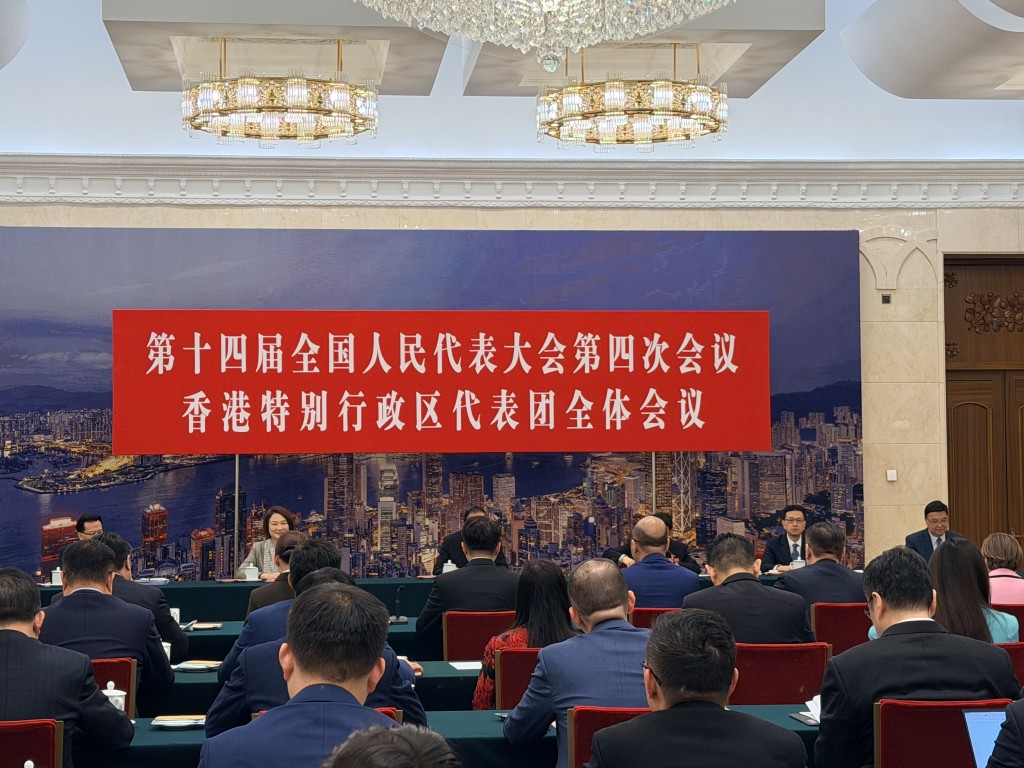
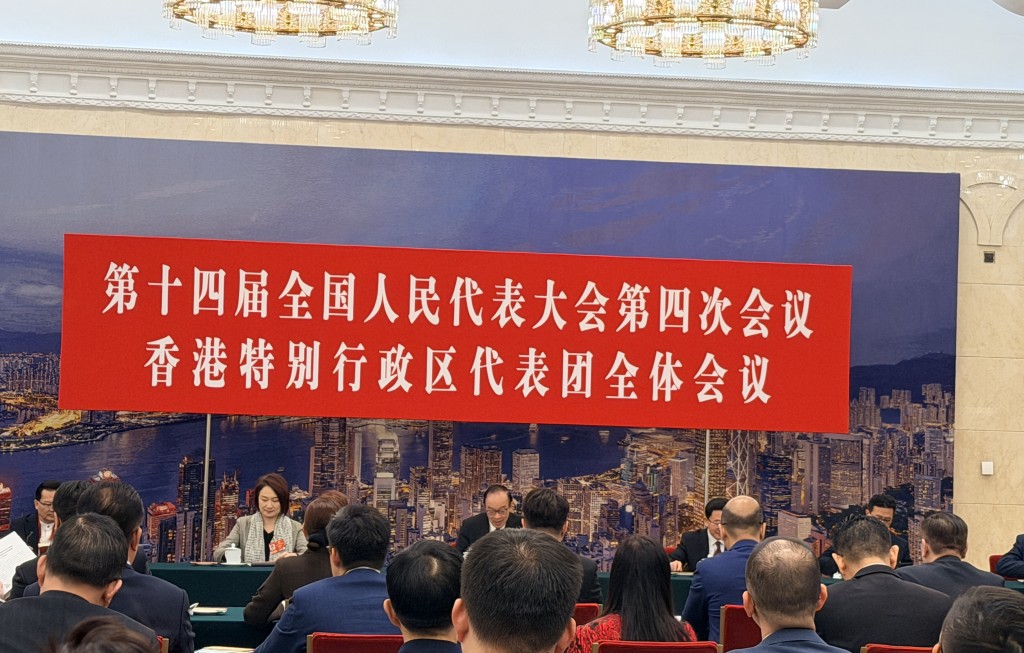
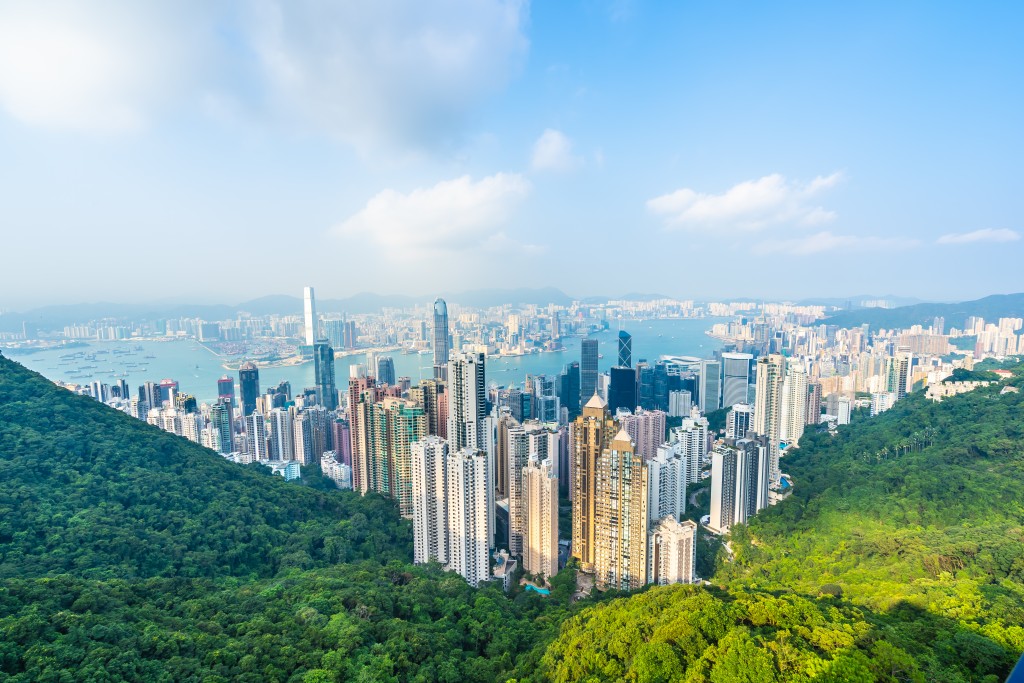
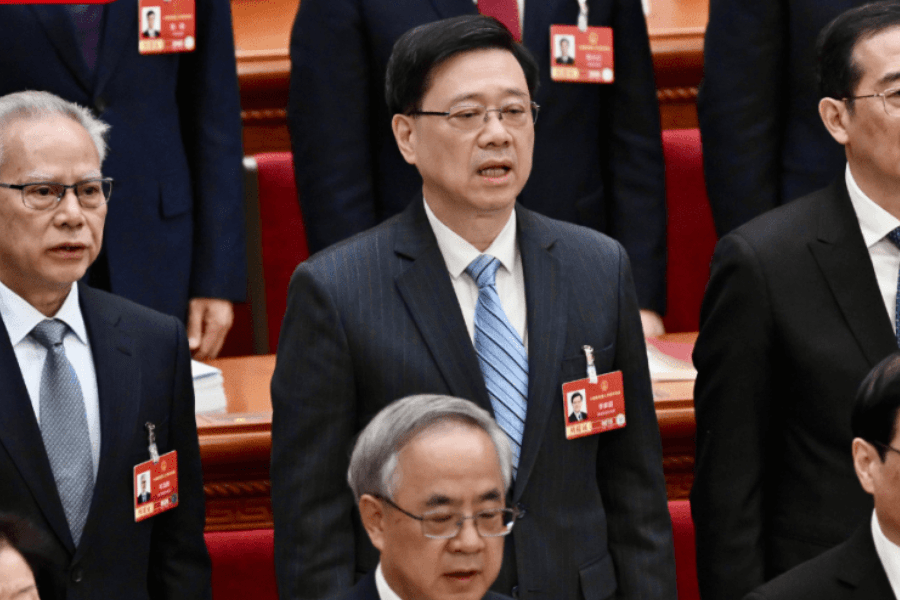
Hong Kong’s deputies to the National People’s Congress (NPC) convened in Beijing on Sunday to review a proposed ecological and environmental code, positioning the city as a key player in helping the nation achieve its "dual carbon" targets.
ADVERTISEMENT
SCROLL TO CONTINUE WITH CONTENT
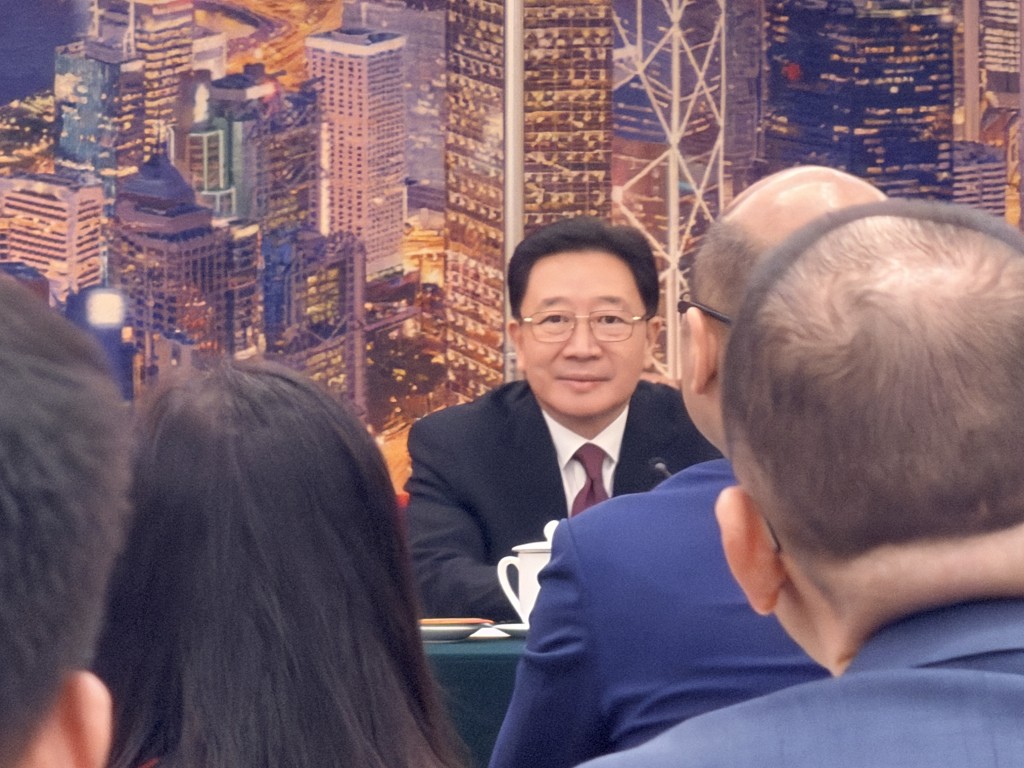
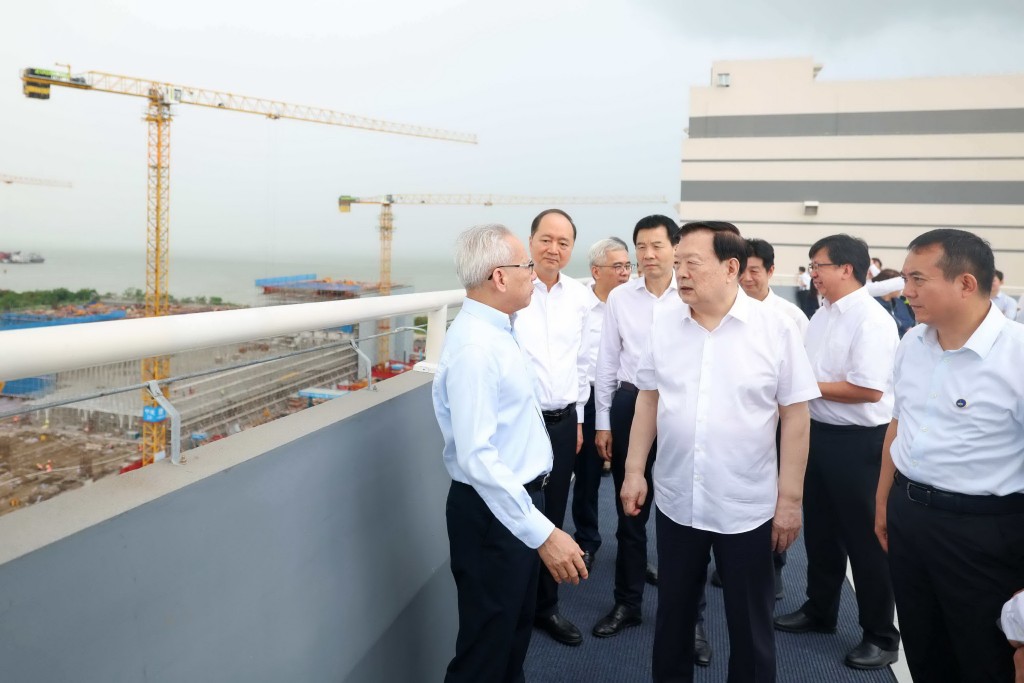
The meeting this morning was attended by senior officials, including Executive Deputy Director of Hong Kong and Macao Affairs Office (HKMAO) Zhou Ji and Vice-Chairman of the Basic Law Committee Wong Yuk-shan.
+1
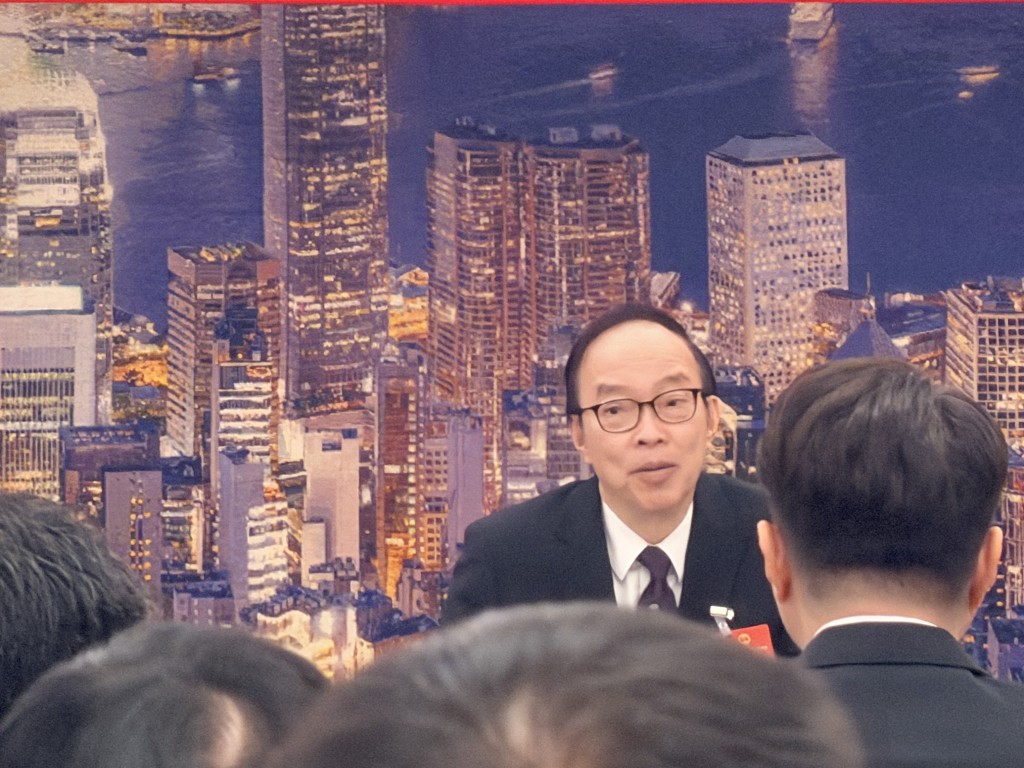
During the session, NPC deputy Ronick Chan Chun-ying, who also represents the financial sector in Hong Kong's Legislative Council, praised the proposed code's structure.
Chan highlighted the code's dedicated sections on pollution prevention, ecological protection, and green low-carbon development, noting they address major environmental challenges.
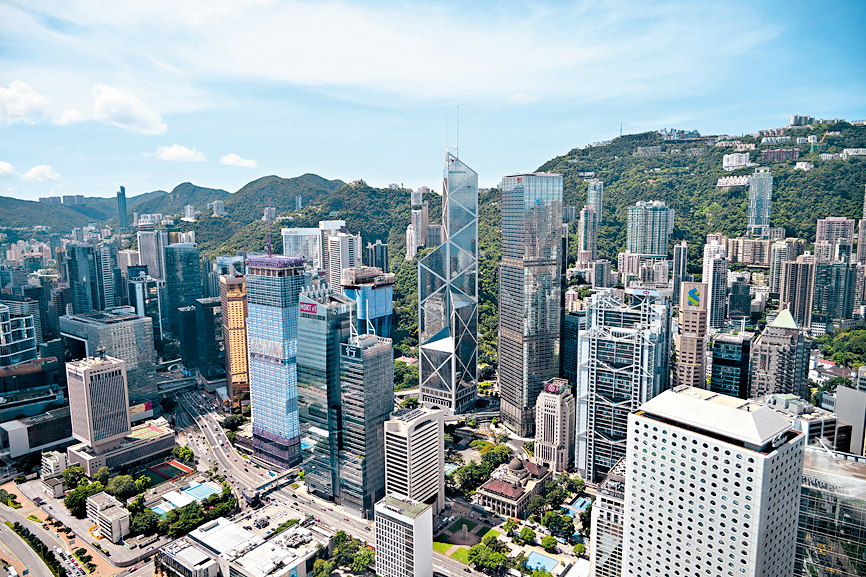
He specifically described the section on green growth as filling a crucial legal gap concerning climate change and carbon neutrality. Chan expressed confidence that Hong Kong, as Asia's green finance hub, can model the proposed code and contribute to the nation’s green transition.
Through deepening mutual access with the mainland, he expressed confidence that Hong Kong could effectively help the nation achieve its dual-carbon targets: peaking carbon emissions by 2030 and achieving carbon neutrality by 2060.
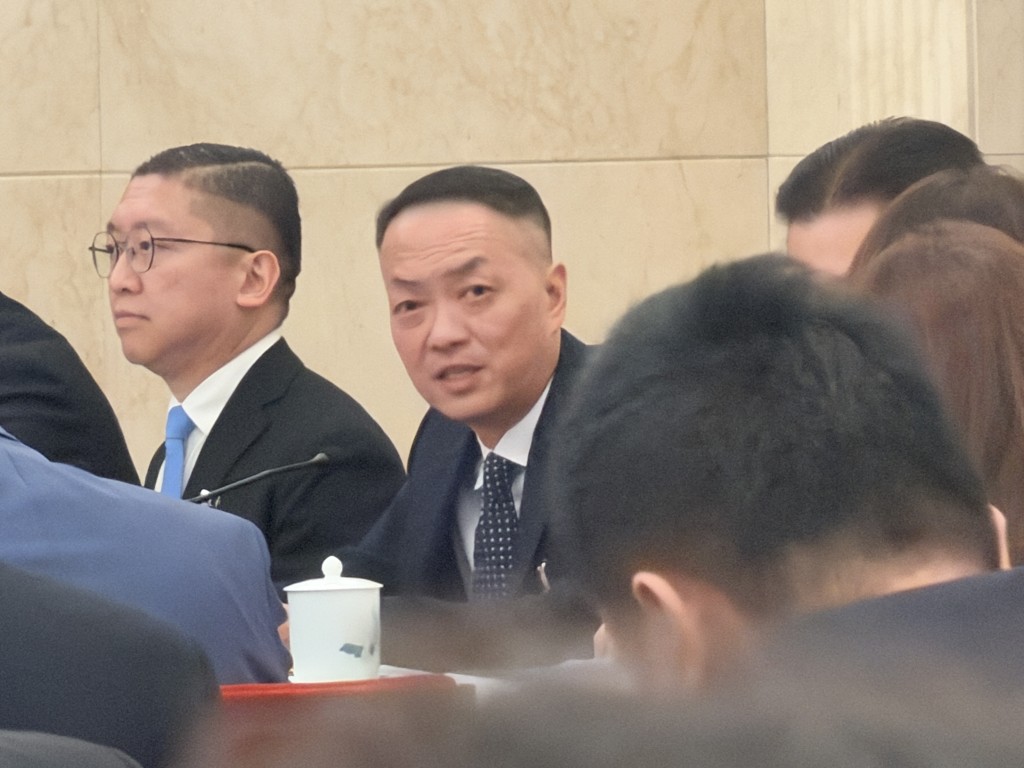
Jimmy Ng Wing-ka, another Hong Kong delegate to the NPC, pointed to the appeal of the city's natural assets, stating that preserving ecological resources sustains economic vitality and sustainable development.
He also cautioned that overexploiting minerals could lead to import dependence and strategic vulnerability, suggesting that green mining and recycling can extend industry chains, boost resource value, and achieve a win-win for ecology and the economy.
Delegate Rock Chen Chung-nin stated that the code has undergone multiple public consultations and revisions, resulting in a mature draft. He expressed support for the healthy growth of green credit, bonds, and insurance, noting that the current taxes have been offering some guidance in their initial state.
With the draft set to strengthen economic incentives, he believes it could encourage public donations and tax deductions to alleviate fiscal pressure.
Nancy Ip Yuk-yu, a deputy to the NPC and president of the Hong Kong University of Science and Technology, positioned Hong Kong as a key contributor to the nation's 15th Five-Year Plan.
Ip outlined three pivotal roles: driving technological innovation for national self-reliance, acting as a "super connector" between the mainland and the world, and building an international hub for high-calibre talents.
Stressing Hong Kong's appeal to top-tier global minds, she said it makes the city an ideal talent base for the nation. She specifically cited the government's Northern Metropolis University Town as a vital platform for Hong Kong to serve the country's long-term development.