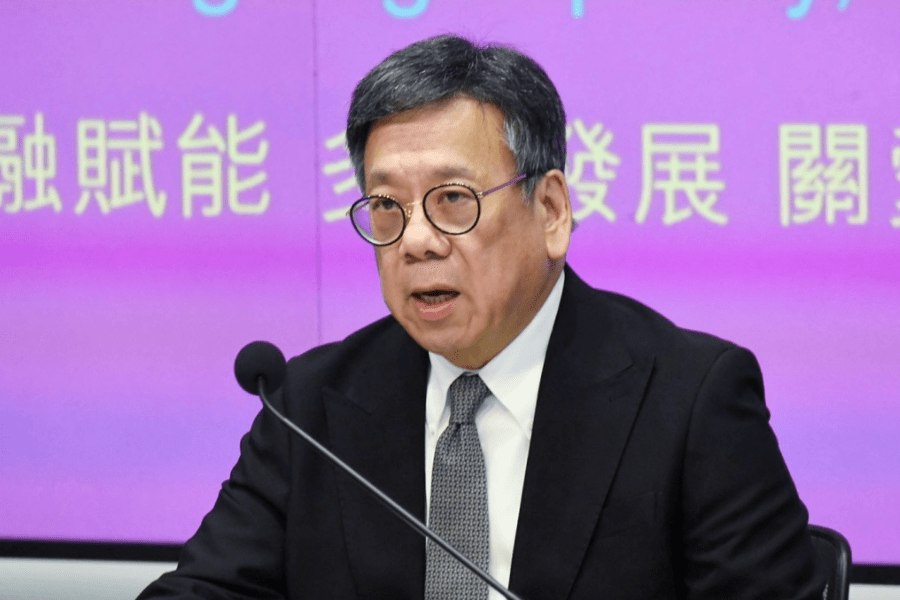
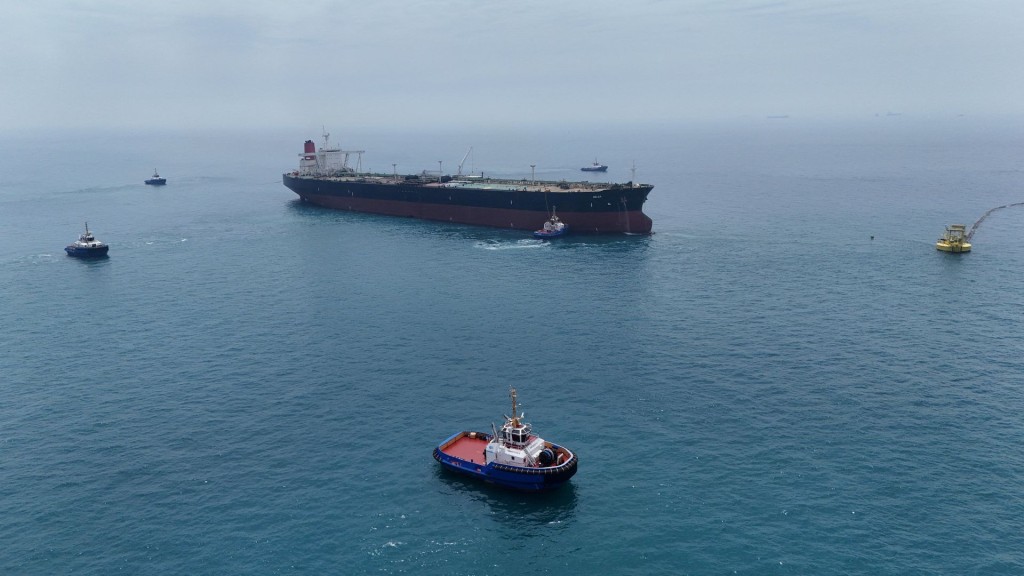
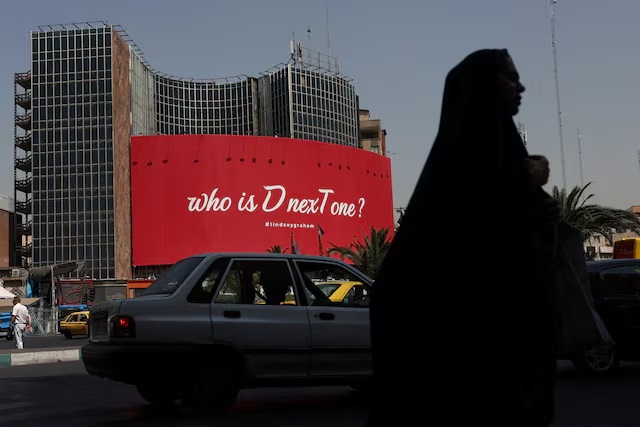
The escalating conflicts across the Middle East are reshaping global geopolitics in ways that demand close attention—yet Hong Kong may emerge with opportunities, according to Secretary for Commerce and Economic Development Algernon Yau Ying-wah.
Speaking on a radio program on Sunday, Yau reported that the city is on solid footing to start the year but cautioned that the rising tensions in the Middle East could send ripples across the globe.
"Its influence on the global economy, supply chains, and even US interest rate decisions all necessitate close study," he explained. "Of course, we hope for a stabilised situation and peace."
With rising protectionism by some nations, Yau anticipated it would drive more countries to seek closer ties with China—citing recent visits to Beijing by British and German leaders as evidence.
Stability of US firms in HK
Despite unstable headwinds, Yau stressed that around 1,550 US companies remain in Hong Kong.
He added that the US goods trade surplus with Hong Kong reached US$270 billion over the past decade, believing American businesses would not walk away easily.
Highlighting Hong Kong's robust trade performance, he reported a 15 percent increase in both imports and exports last year, with total exports nearing HK$5.2 trillion.
Carrying the momentum into this year, he indicated that January alone saw export growth of approximately 31.8 percent and import growth of 38.1 percent.
With the latest budget allocating HK$100 million to attract large-scale international exhibitions, Yau expressed excitement about bringing fresh events to the city, ranging from robotics shows, yacht exhibitions, to small private jet fairs.
He revealed that the sector's business receipts contributed about 2.1 percent of GDP, with each exhibition visitor spending around HK$7,000 to HK$8,000 per night, thereby boosting tourism, dining, and related industries.
Tailored incentives for investors
Additionally, the GoGlobal Task Force is exploring assistance to help mainland small and medium enterprises expand their business to "go global via Hong Kong", transforming it into a new driving force for the city's economy for mutual benefit.
In relation to the budget's preliminary framework for preferential policy packages aimed at attracting more enterprises—including land grants, financial subsidies, and tax incentives—Yau explained that relevant agencies like InvestHK and the Office for Attracting Strategic Enterprises (OASES) would propose recommendations to a committee led by the Financial Secretary.
He explained that the recommendations will be tailored to each company's needs and potential economic contributions, taking an aircraft dismantling company that recently set up in Hong Kong utilizing these incentives as an example.
New IP Academy
Regarding the establishment of the Intellectual Property Academy, a collaboration between the Intellectual Property Department and the Vocational Training Council, Yau noted that the objective is to strengthen IP knowledge among industry professionals.
Given that VTC programs are already linked to the Qualifications Framework, he believes a strong curriculum is in place, with university-level courses likely to follow. He anticipates training 100 IP examiners by 2030.
Furthermore, he mentioned that the IP Financing Sandbox launched late last year has already attracted participation from firms in biotechnology, electronics, and technology sectors, with three banks agreeing to join the initiative.