Singapore's central bank unexpectedly tightened its monetary policy settings on Monday, citing persistent inflationary risks as the Middle East conflict keeps energy cost pressures elevated.
The Monetary Authority of Singapore (MAS) said it would very slightly increase the prevailing rate of appreciation of its exchange rate-based policy band, which is known as the Singapore dollar nominal effective exchange rate, or S$NEER.
The MAS said the extent of this increase in the rate of S$NEER appreciation is smaller than in April, when it last tightened monetary policy.
It said there was no change to the width of the policy band or the level at which it is centred. The central bank does not quantify the extent of any policy changes it makes.
"Core inflation is projected to step up from July and remain elevated but should moderate discernibly from around mid-2027," the MAS said.
The Singapore dollar firmed slightly after the surprise tightening to 1.2888 per U.S. dollar.
Maybank economist Chua Hak Bin said this was the first time MAS had adjusted the slope "very slightly" and that the bank could now make incremental slope adjustments with the current format of quarterly meetings, which it began in January 2024.
"MAS may be pre-empting potential inflation pressures from rising energy prices and supply disruptions," said Chua.
Sheana Yue, economist at Oxford Economics, said the policy change helped "contain medium-term inflationary pressures while preserving flexibility to respond should risks to price stability intensify."
Of the 16 analysts polled by Reuters ahead of the review, 12 had expected the MAS to hold policy settings steady and four had forecast a tightening.
'SIGNIFICANT UNCERTAINTY'
The MAS said there was "significant uncertainty" around the macroeconomic outlook.
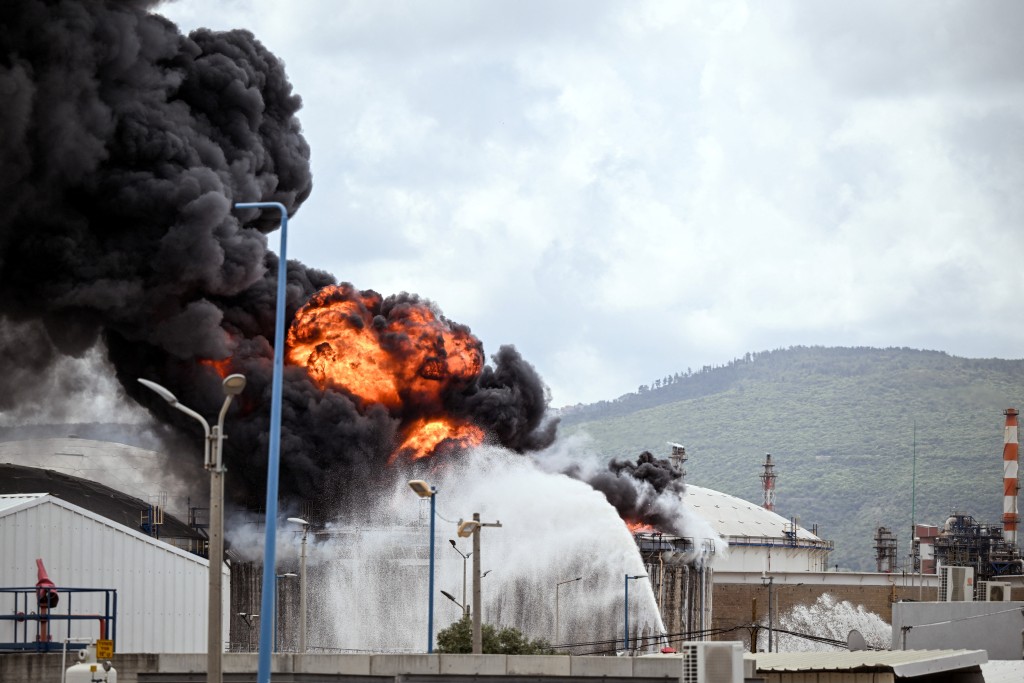
"Inflation could pick up more strongly than anticipated if energy prices spike anew: fuel reserves have been drawn down significantly and renewed supply disruptions in the Middle East could cause sharp surges in oil prices," the central bank said.
It added inflation could be more persistent than projected if robust investment growth generates greater demand spillovers abroad and in Singapore, but at the same time warned of the downside risks such as "an unexpected tightening in financial conditions or pullback in AI-related investment" that could affect GDP growth and weaken inflation.
Electricity tariffs in Singapore went up 17 percent this month due to soaring prices of imported natural gas.
The trade ministry has forecast growth this year at 2 percent to 4 percent.
Preliminary data showed the economy grew by a stronger-than-expected 5.7 percent in the second quarter from a year earlier, driven by AI-related demand.
The annual core inflation rate was 1.6 percent year-on-year in June, lower than expectations.
OCBC economist Selena Ling said her forecast is for headline and core inflation to overshoot to around 2.5 percent and 2.3 percent year-on-year in coming months, only subsiding below the 2 percent handle from the second half of 2027.
Instead of using interest rates, Singapore manages monetary policy by letting the local dollar rise or fall against the currencies of its main trading partners within the undisclosed S$NEER trading band.
It adjusts policy via three levers: the slope, mid-point and width of the policy band.
Reuters