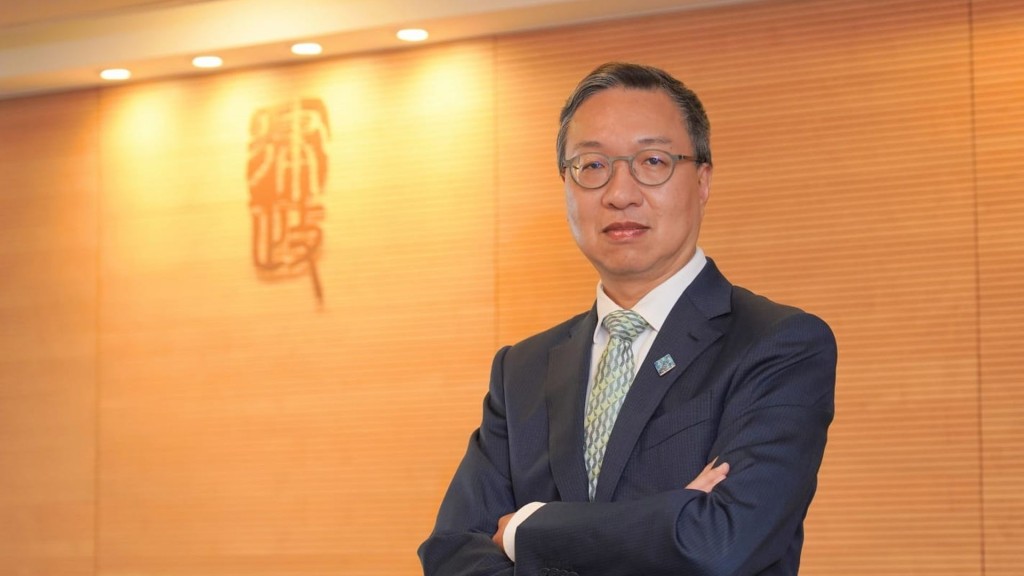
Secretary for Justice Paul Lam Ting-kwok warned that concerns over national security must be taken seriously, stating that recent statements made by some foreign politicians concerning the territorial integrity of other countries sound a warning bell that it will be "naive" to assume the fundamental principles of international law will necessarily be followed by other countries.
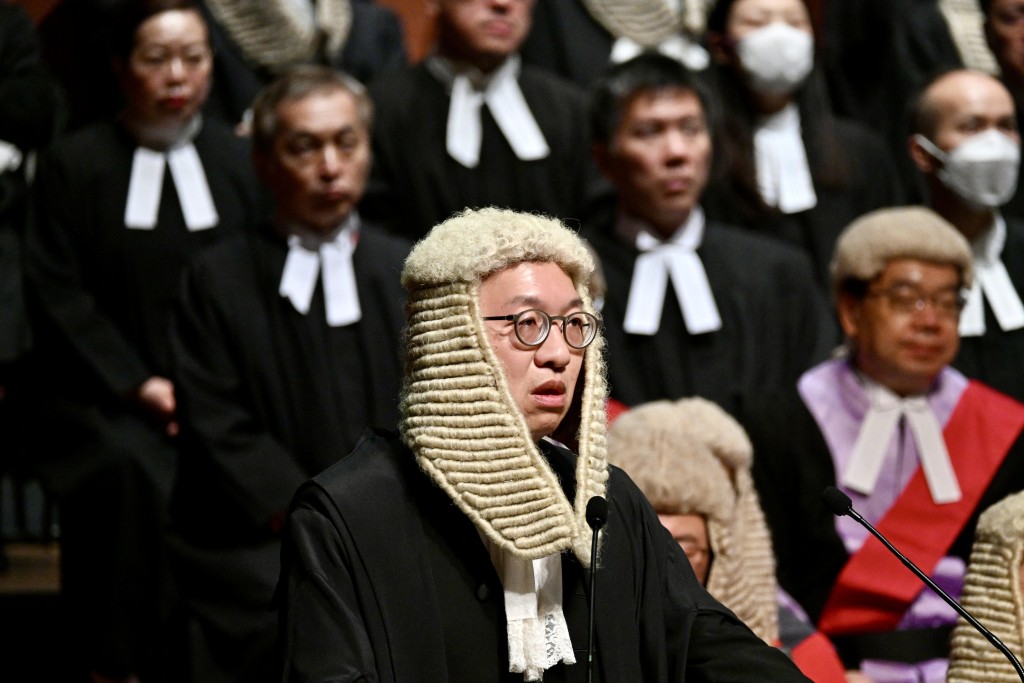
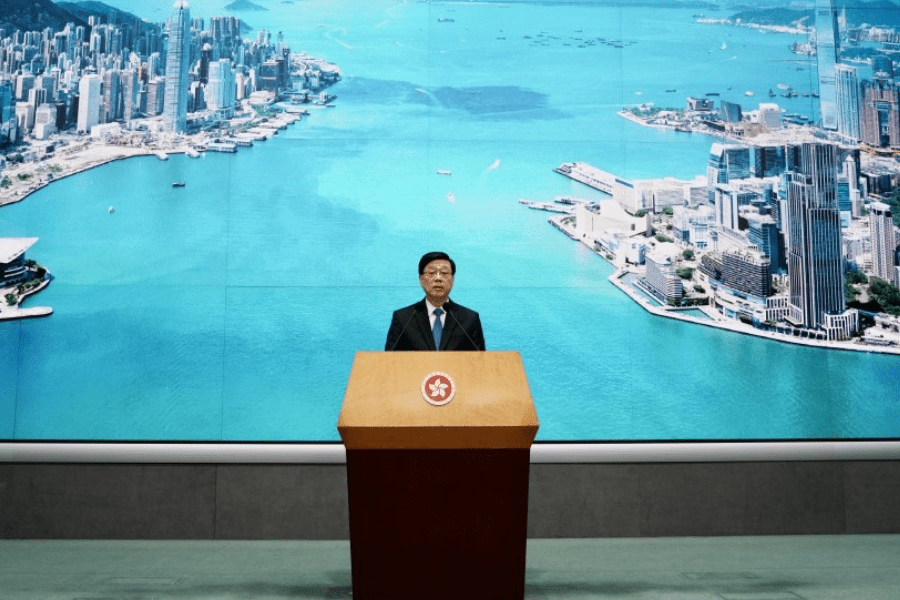
Lam made these remarks at the Ceremonial Opening of the Legal Year 2026 on Monday (Jan 19), responding to what he called "unfounded accusations" regarding judgments in several high-profile national security cases from last year and more recently.
"Concern over national security is anything but fanciful, and must be taken seriously," he stressed.
He noted that it is a "fundamental principle" of international law and international relations that every state has the inherent and inalienable right to defend its national sovereignty and territorial integrity; and to choose its political, economic, social and cultural systems, without interference in any form by another state.
However, Lam said recent statements by some foreign politicians concerning the territorial integrity of other countries serve as a warning. He felt obliged to refute these unfounded accusations, stressing that it is extremely important to do so because, unless countered, they may undermine public trust and confidence in Hong Kong's judicial system and the rule of law.
"It is not, and never has been, China's national policy to pursue absolute security," he emphasized. "Our country clearly recognizes the importance of striking a balance between security and development."
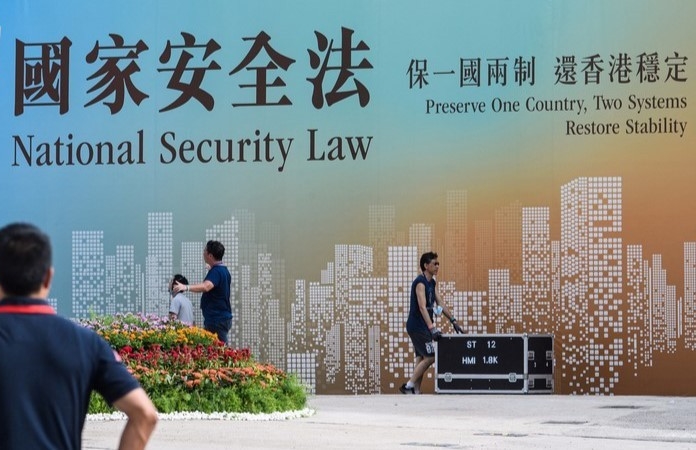
He added that Article 3 of the National Security Law (NSL) imposes a constitutional duty on Hong Kong's executive, legislative, and judicial branches to effectively prevent, suppress, and punish any act endangering national security.
The judiciary is vested with independent judicial power, including that of final adjudication, and shall exercise it accordingly.
Meanwhile, Lam highlighted four points to support the courts' performance of their duties, in response to criticism over judgments in high-profile national security cases.
First, he noted, it is important to observe what occurred during the judicial proceedings, all of which were conducted openly.
He said it is also essential to study the judgments in those cases which explain how and why the judges reached their conclusions and, in criminal cases, why guilt was proven beyond reasonable doubt.
It is worth noting that in national security cases, the government was not always the successful party, he added.
In a case involving many defendants, two defendants were acquitted after trial in May 2024, and the prosecution decided not to appeal against one of the acquittals.
He further noted that the judiciary has reaffirmed in past statements that all judges and judicial officers exercise judicial power independently in response to intimidation against judges, abide by the Judicial Oath, and will continue to discharge their duties without interference.
Additionally, Lam stressed that beyond performing judicial duties, the judiciary has made significant efforts to promote the rule of law and enhance Hong Kong's status as an international center for legal services and dispute resolution.