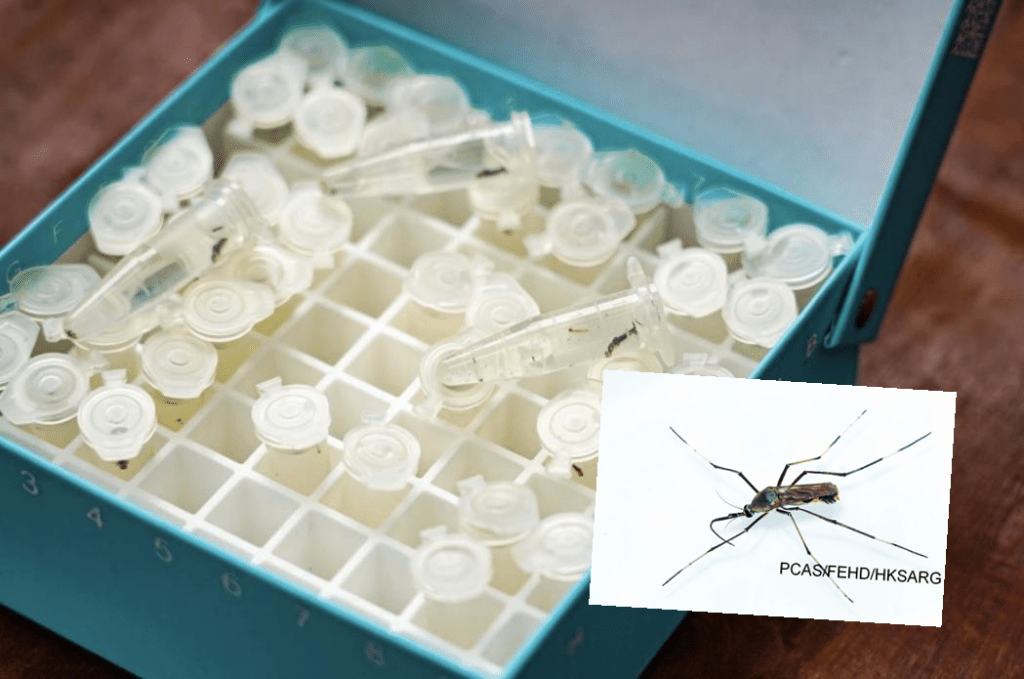
The risk of a Chikungunya fever outbreak in Hong Kong remains moderate, said Joseph Tsang Kay-yan, a specialist in infectious disease in a radio program on Wednesday.
His comments came after the city reported its first locally-acquired Chikungunya fever case in Wong Tai Sin on Sunday, followed by three more cases recorded on Monday, including a 55-year-old woman working at Rhenish Church Grace School whose source of infection remains unknown.
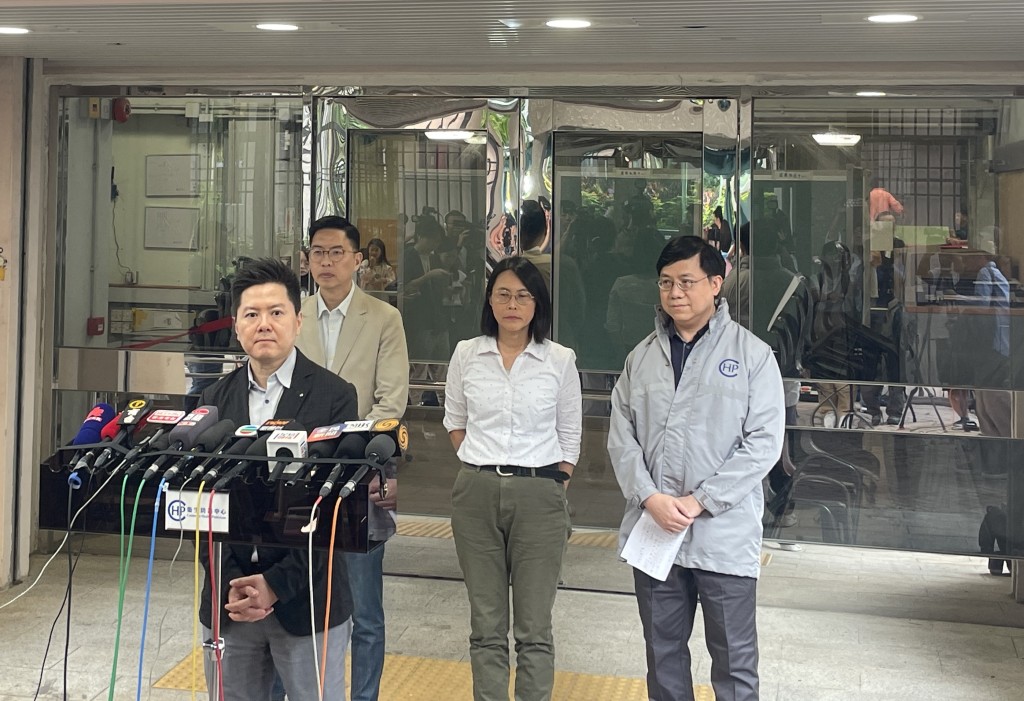
Tsang said authorities are analyzing the viral genome sequencing of samples.
If the genetic sequencing results of two cases are the same, it indicates that they originated from the same transmission source, suggesting there may be hidden transmission chains in the district, he explained.
He emphasized the need to closely monitor if more new cases appear in the region over the next two weeks, as the incubation period for Chikungunya fever is two to 12 days. If no new cases are reported, it would reflect a controlled situation in the area.
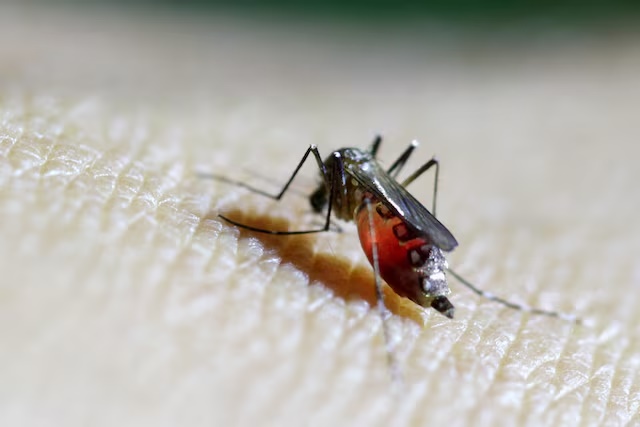
Tsand pointed out that Chikungunya fever has a high vector capacity, once a mosquito is infected, the virus multiplies rapidly within it.
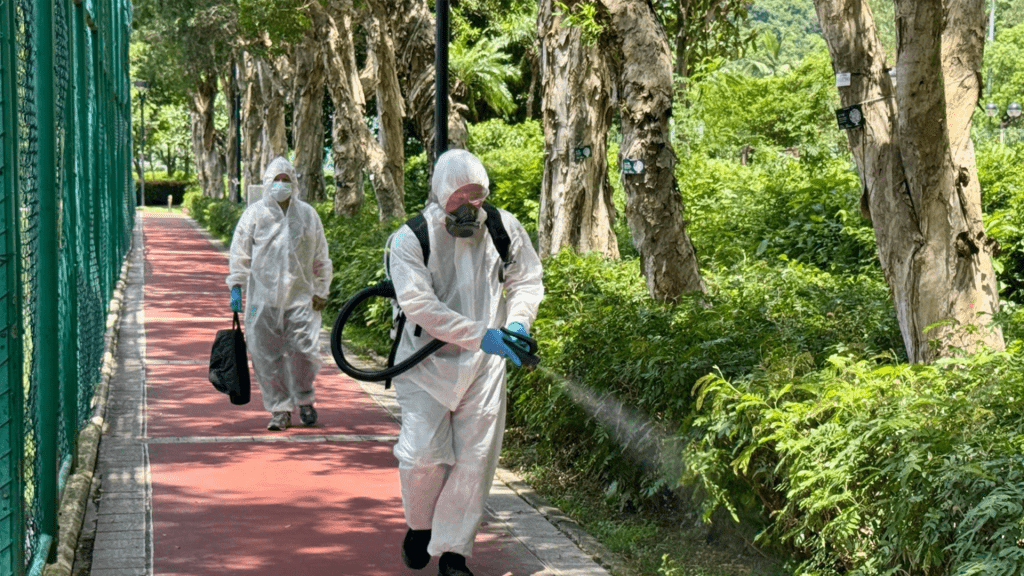
He said the current mosquito vector index is low, and extensive monitoring measures should be implemented to prevent an outbreak, including assessing whether local Aedes albopictus mosquitoes carry the Chikungunya virus.
The government should consider serological screening to identify any cases of individuals who have recovered after infection and study whether local mosquito vectors are infected.
Regarding the risk of a local outbreak, Tsang assessed it as “moderate”. He pointed out that due to frequent cross-border travel between Hong Kong and several cities in mainland China, imported cases are inevitable.
Tsang expects sporadic cases may still occur in certain districts of Hong Kong, and whether the situation evolves into a large-scale outbreak will depend on the relevant department’s tacking efforts and timely isolation measures.
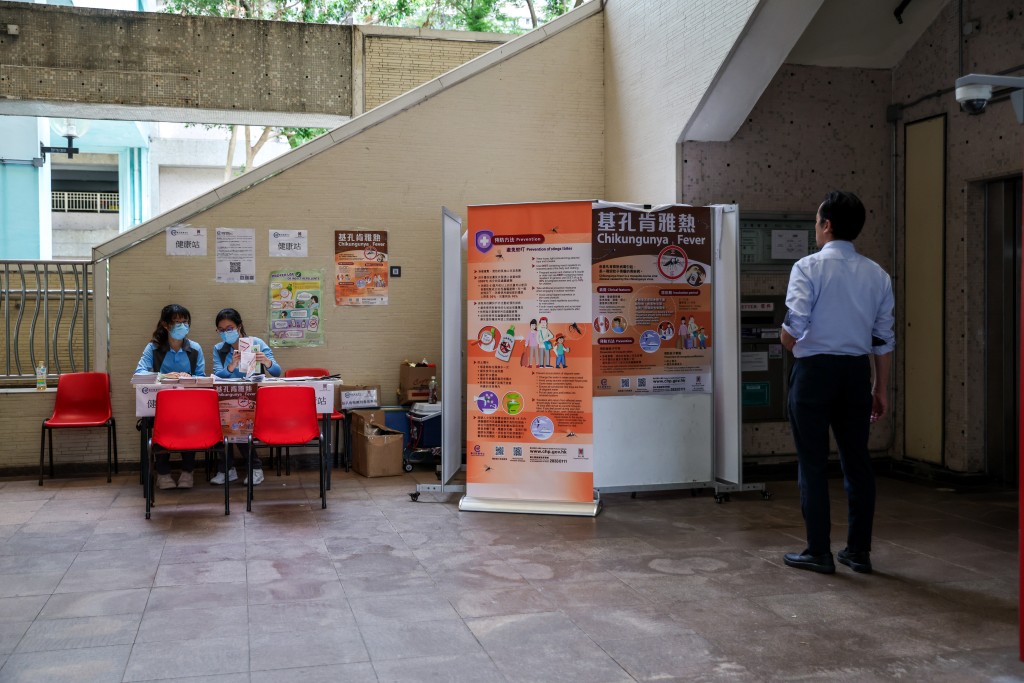
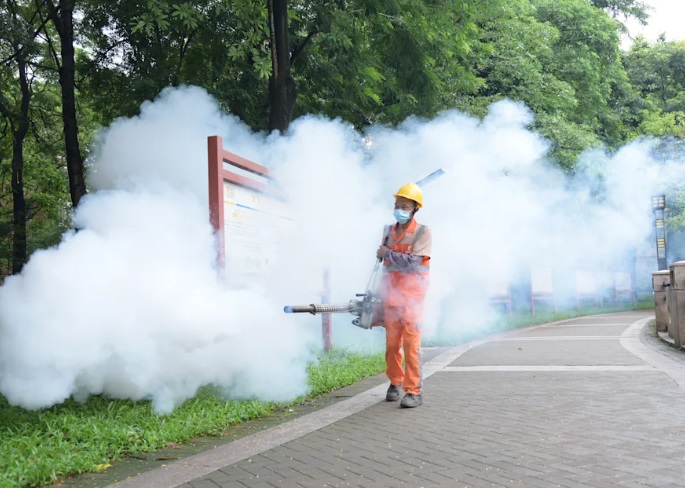
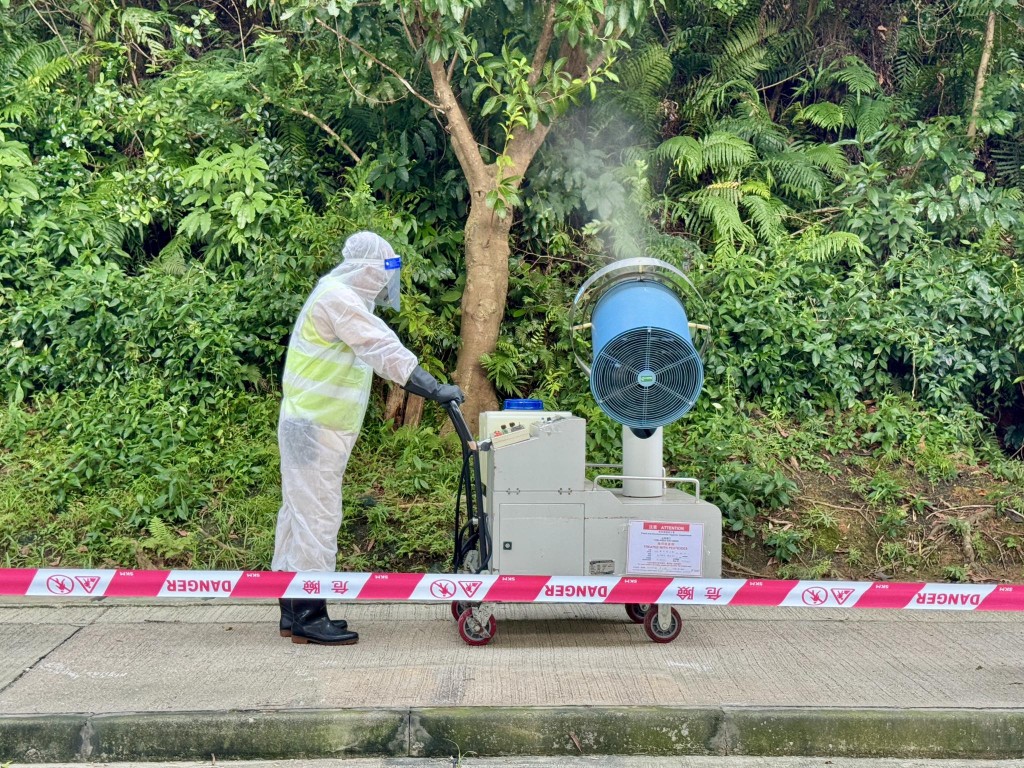
In Fung Tak Estate, the Centre for Health Protection has set up a health station at Fung Tak Shopping Centre to distribute leaflets about mosquito issues, reminding residents to stay vigilant.
Some shops are selling insect repellent and have placed these products prominently at the entrance or checkout counters, with sufficient stock available.
Cheng, a resident at Fung Tak Estate, said he underwent a blood test yesterday and is still waiting for the results. However, he has not noticed any unusual symptoms.
He said he is not too worried, as he lives on a higher floor and rarely goes out.
Meanwhile, Lau, who lives nearby the estate, expressed concern about mosquitoes transmitting diseases as these illnesses are contagious and unsettling.
“I’m quite scared, after all, being infected can have some impact and you might feel unwell,” she said, adding that she uses insect repellent every day and avoids visiting places with stagnant water.
Chan, a vendor at Fung Tak Market, said the sales of insect repellent are similar to usual and there hasn’t been any panic buying.
Instead, he said the foot traffic in the market has decreased, as residents avoid going out due to the new cases, leading to a drop in business.