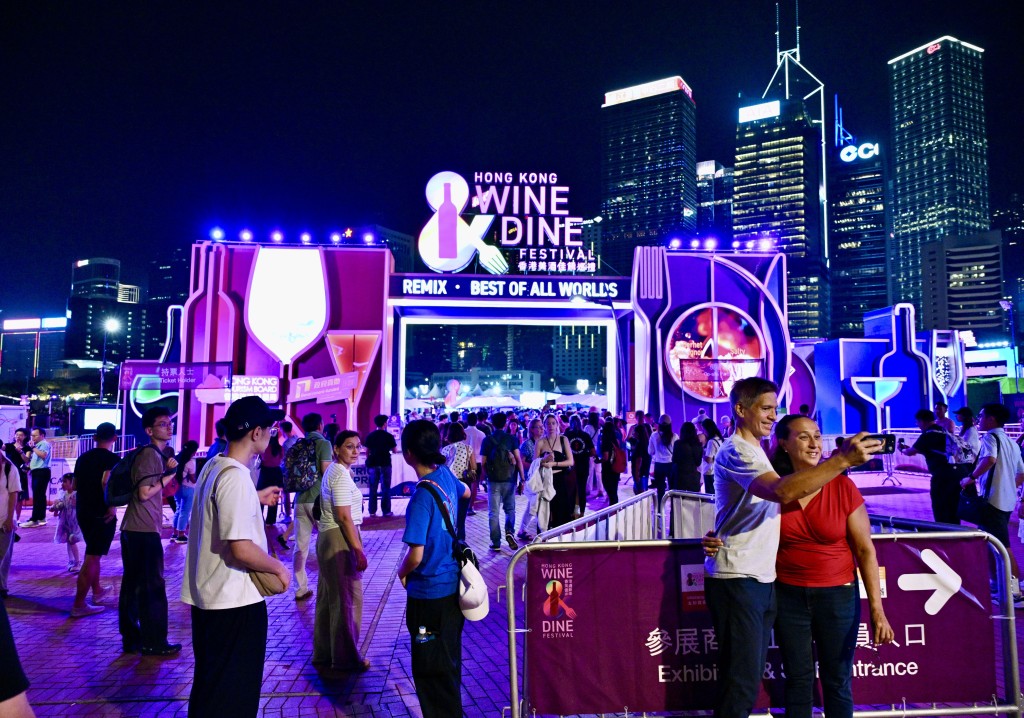
A batch of wineries from the mainland is aiming to win over Hong Kong wine enthusiasts in the flagship Wine & Dine Festival, solidify their presence before leveraging the city’s advantages to go global.
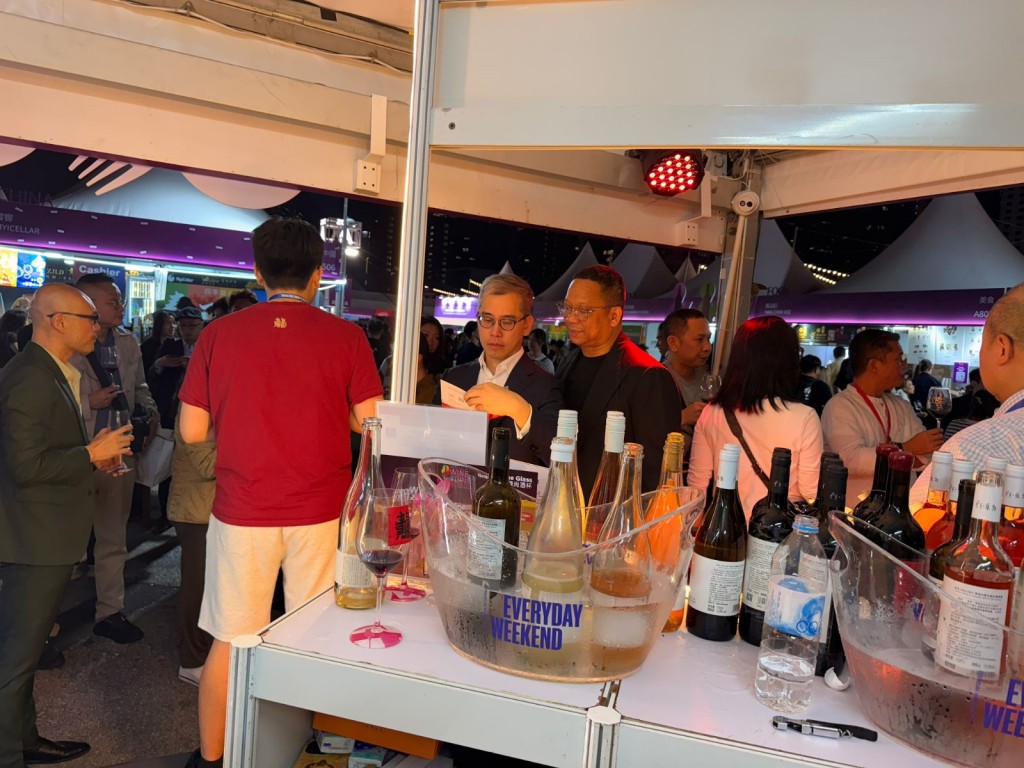
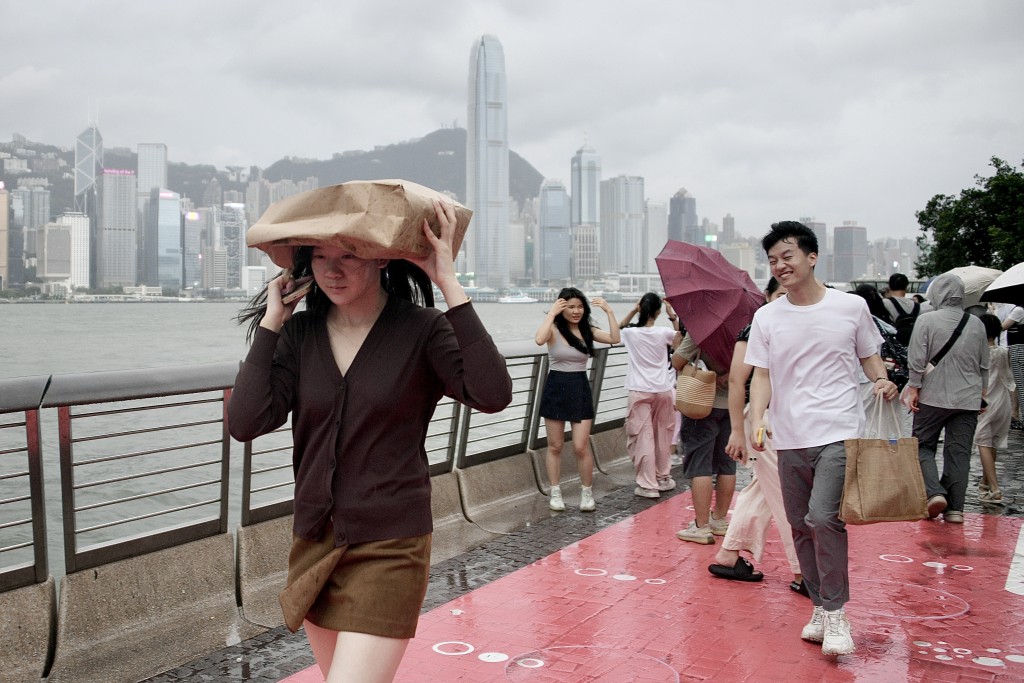
Around seven wineries from northern China, including Inner Mongolia, Ningxia, and Beijing, were brought together for the highly anticipated event, which lasted four days at Central Harbourfront Event Space.
“Promoting our brand at Wine and Dine Festival is relatively cost-efficient compared to other business-to-business exhibitions,” said Damon Liu Boyang, Lavie Wines’ regional manager in Hong Kong.
Liu explained that the festival allows them to reach both consumers and industry clients simultaneously, with similar exhibition costs as trade-only events.
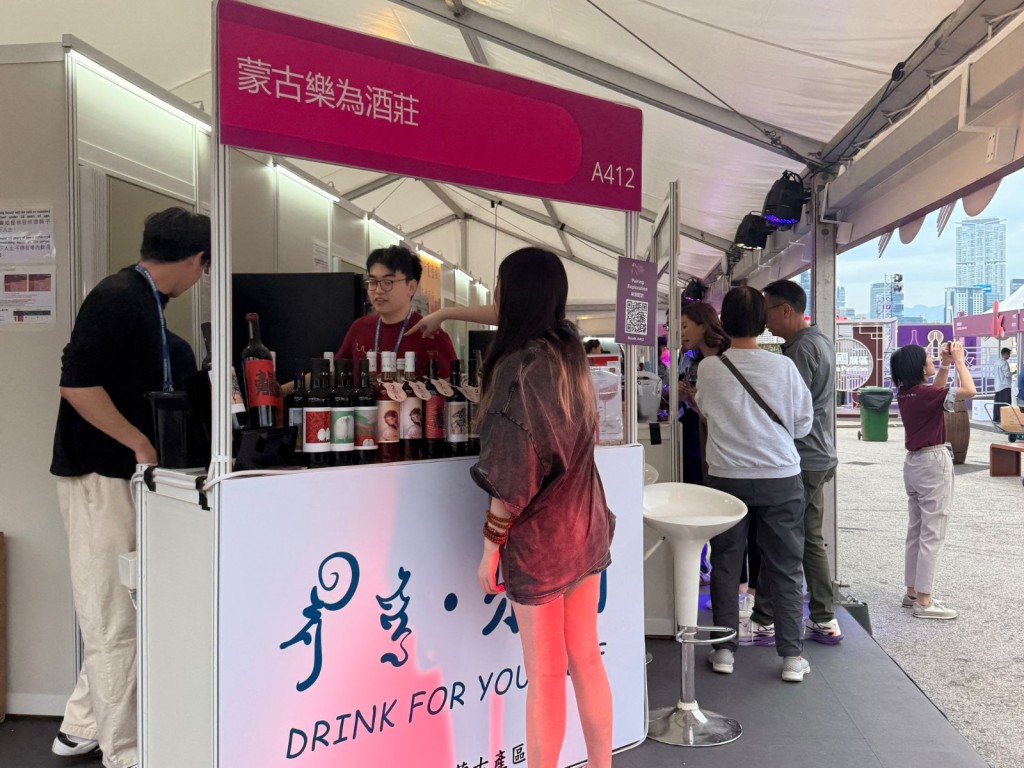
Lavie Wines is the only winery from Hohhot, Inner Mongolia, and this year marks its second participation in the event since beginning its expansion into Hong Kong last year.
Price-perception hurdle
Liu noted that the stereotype toward Chinese wine poses a challenge for marketing it in Hong Kong, given that not only consumers but also agencies and merchants have raised concerns about the pricing.
However, he emphasized that its price is actually lower than that of wines with comparable quality from other regions. For example, a basic Amarone wine typically costs around HK$600, while the Lavie Wines offers more affordable alternatives of similar or better quality.
Liu remains positive that this public perception also presents opportunities for the brand to tell a unique story and build a new image for this lesser-known wine region.
The story in the bottle
Ethnic Mongolian artists, both emerging talents and established masters, are commissioned to create illustrations that incorporate Mongolian culture and echo each of the collection’s concepts, a feature that has captivated Hong Kong consumers.
“Hong Kong feels like a warm place to me,” Liu said, noting that despite limited marketing campaigns, local customers show genuine interest in understanding the stories behind the wines and their roots.
This year, the brand received official support from the Hong Kong Tourism Board, which organizes the festival. Their merchant network has also doubled from two to four since their debut last year.
Solid local foundation before global ambition
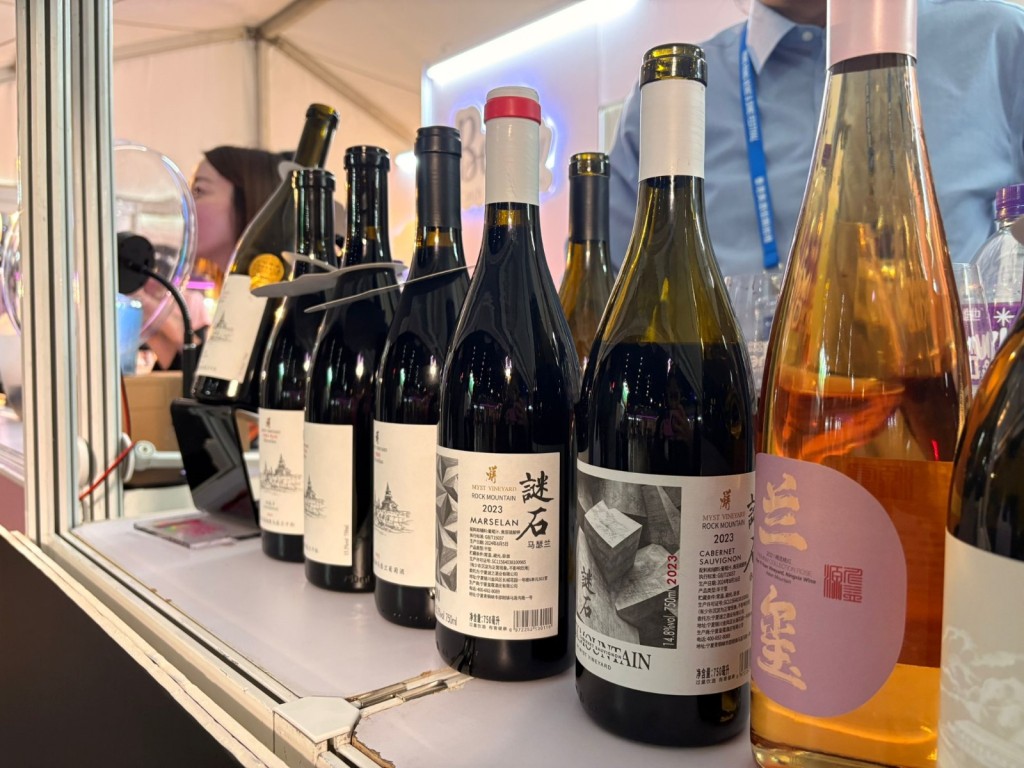
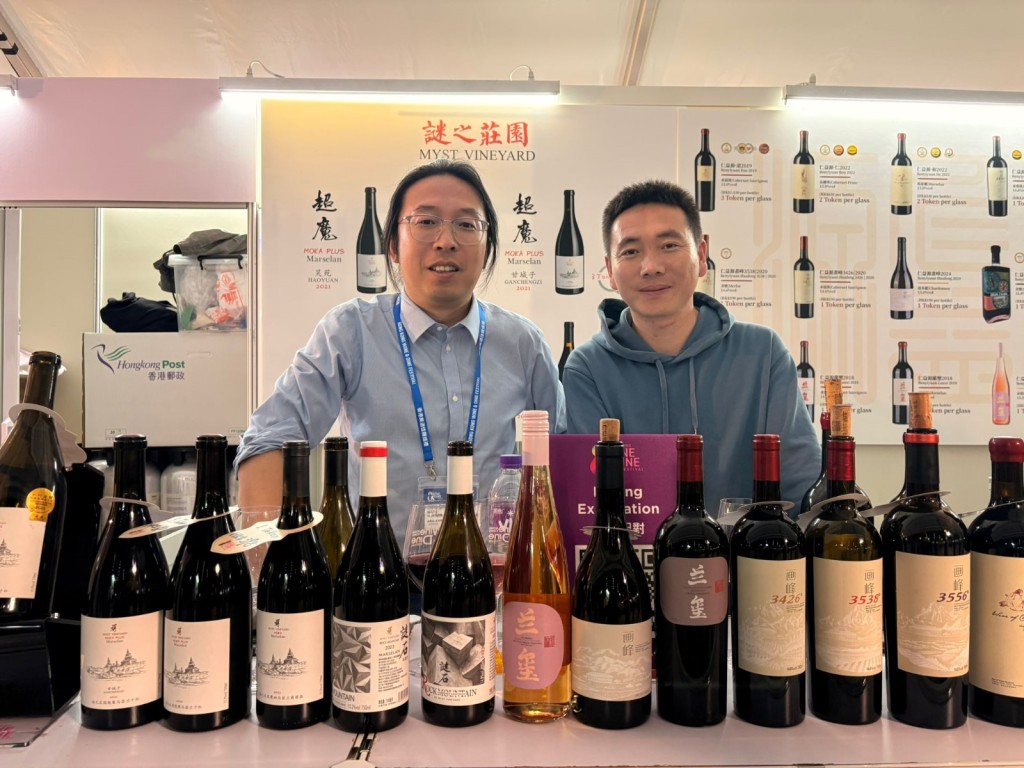
Tang Song, representative of Myst Vineyard from Ningxia’s Helan Mountain, one of China’s premier wine regions, also observed strong interest from Hong Kong consumers in Chinese wines.
“Once the festival’s attendee tries Chinese wine, they’re impressed by the quality,” said Tang, though he acknowledged that China’s wine industry only began developing rapidly in the past decade.
He praised Hong Kong officials for their “careful and thorough” support for exhibitors, as it was his first time receiving a detailed 97-page guideline.
Tang added that the city has nurtured a mature and sophisticated wine culture, with consumers possessing solid wine knowledge.
Rather than utilizing Hong Kong as a springboard to overseas markets, Tang expressed a desire to continue growing locally before expanding further, given the city’s proximity to the mainland and low maintenance costs.
Lavie Wines’ Liu also emphasized the importance of building a solid foundation in Hong Kong before going global.
With exports already reaching the UK, Northern Europe, and Japan, the brand is preparing English labels and presentation materials to better resonate with international consumers.
“Choosing the Hong Kong market to validate our pricing and enhance brand promotion is the right strategy,” Liu said.
Growing allure at global palates
Calvin Choi Shing-fung, chairman of the Hong Kong Wine Judges Association, highlighted that Chinese red wine is gaining acceptance worldwide.
“Over 10 restaurants in southern France serve wine from Ningxia, and Chinese wines are available in duty-free stores in Bangkok,” he said.
The association participated in the festival for the first time this year, showcasing wine from Beijing, a niche region where land costs drive up wine prices.
He also mentioned that foot traffic and sales have been “positive” and met expectations.