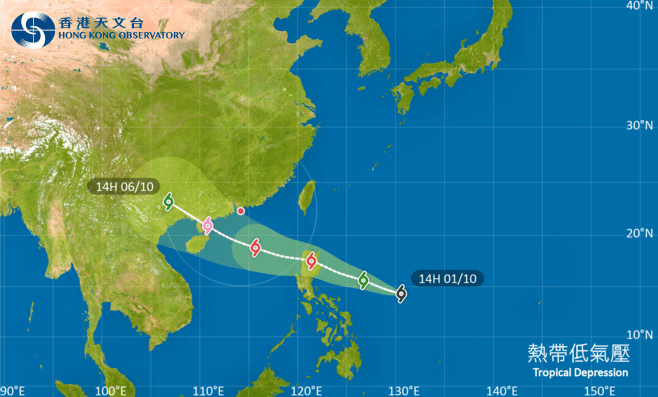
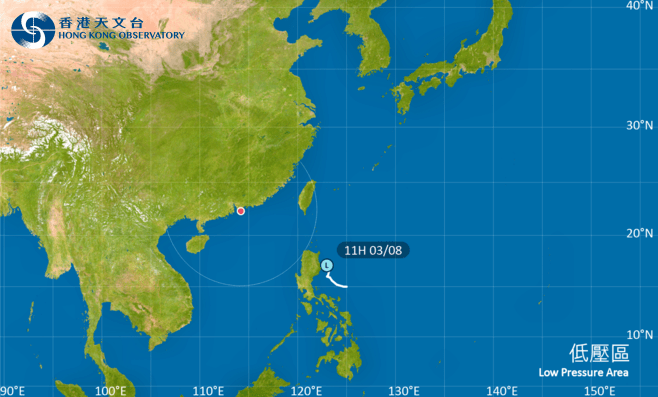
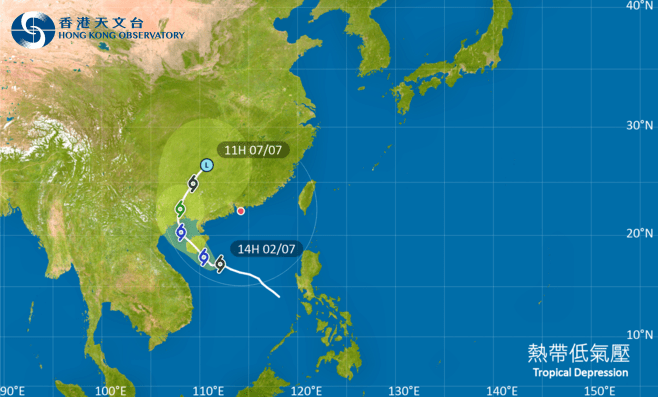
The area of low pressure over the seas east of the Philippines has intensified into a tropical depression, and is forecast to move towards the vicinity of Luzon and intensify gradually, according to the Hong Kong Observatory (HKO).
The tropical depression will move with uncertain intensity across the central and northern parts of the South China Sea over the weekend, in the general direction of the vicinity of the coast of western Guangdong to the eastern part of Hainan Island.
The Japan Meteorological Agency upgraded the area of low pressure to a tropical depression Wednesday as well. The tropical depression is currently located west of Guam and is moving northwest. It is predicted to strengthen into a tropical storm by Thursday and further intensify into a severe tropical storm as it enters the South China Sea on Saturday (Oct 4), moving towards the Guangdong coast at 30 km/h.
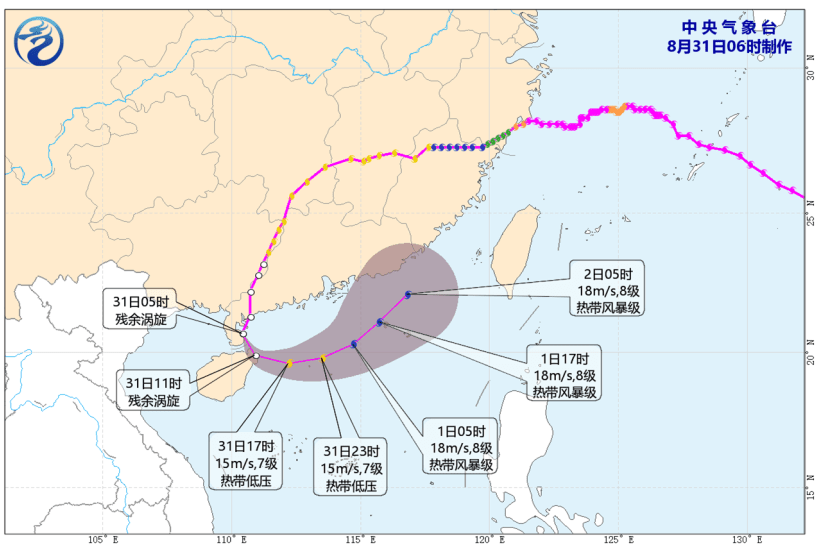
China Meteorological Administration data anticipates the tropical disturbance east of the Philippines to develop into Typhoon Matmo within 24 hours and enter the South China Sea on the evening of Friday (Oct 3), gradually strengthening as it approaches the eastern coastal areas of Hainan Island on Mid-Autumn Festival (Oct 6).
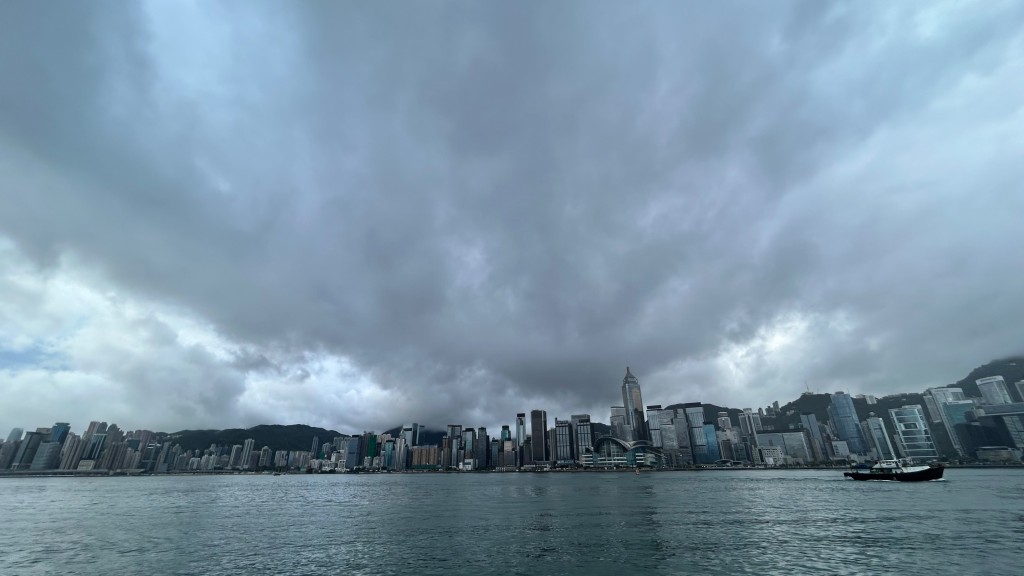
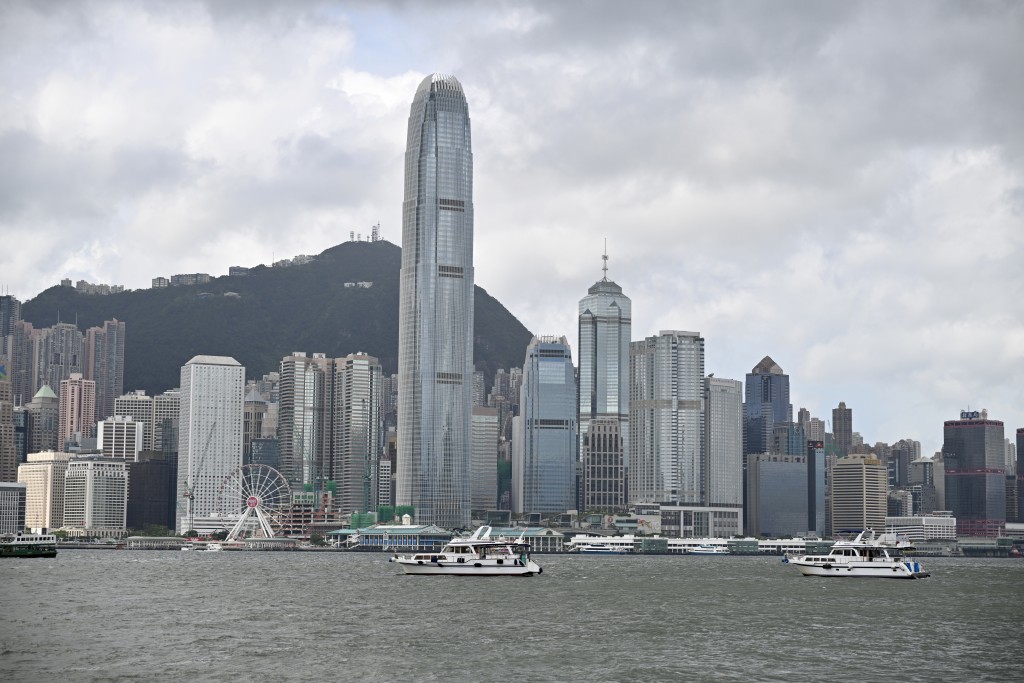
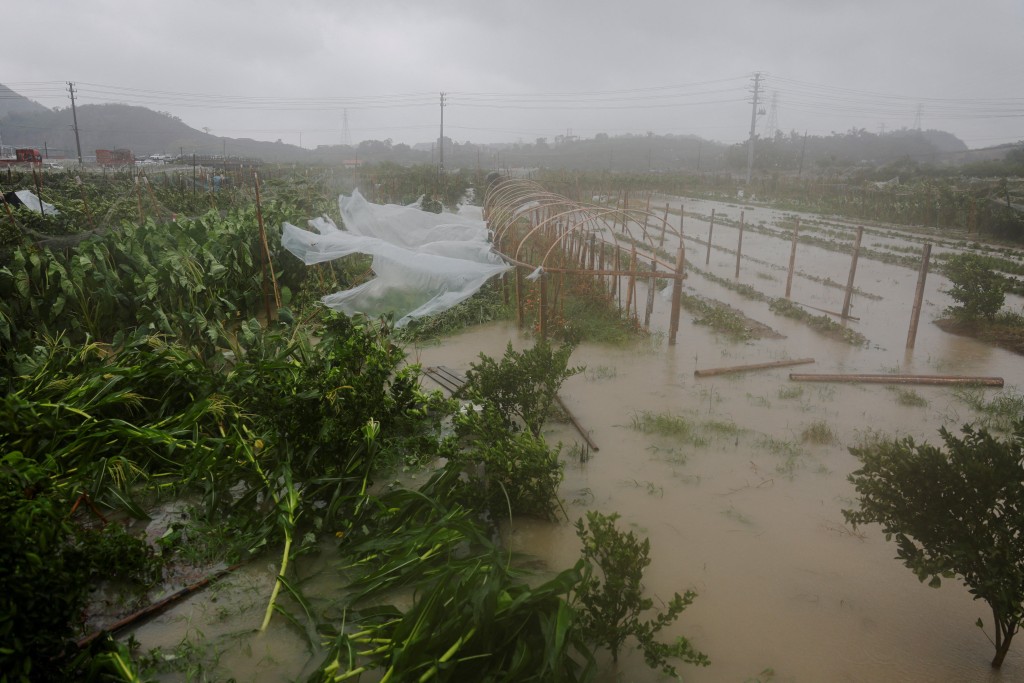
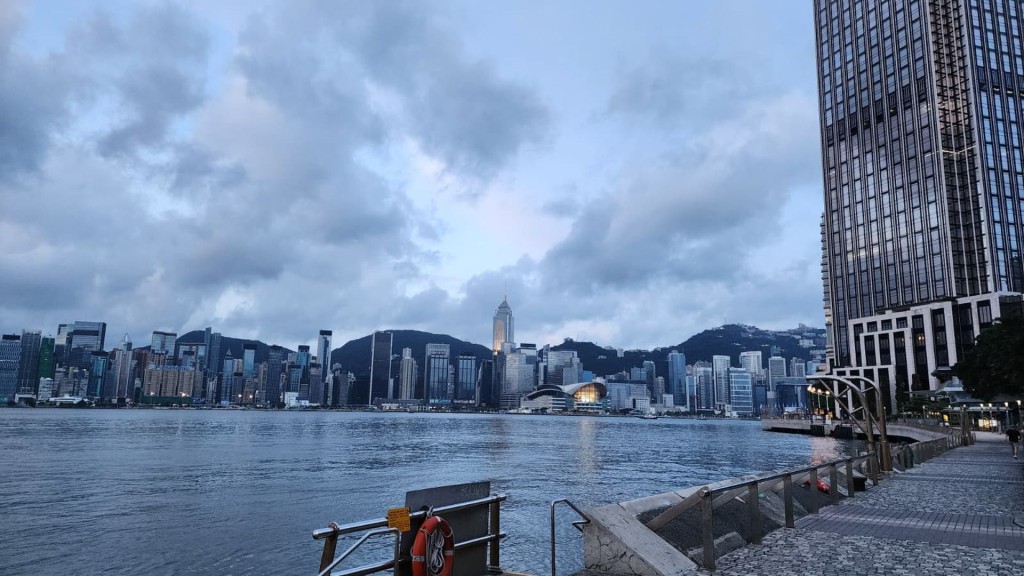
The HKO predicts deteriorating weather over the weekend, with heavy rain, strong winds and moderate seas. East winds are forecast to reach force 5, occasionally force 6 on Sunday (Oct 5), with gusts of up to force 8 in elevated areas which are classified as gale force.
With the anticyclone aloft strengthening again, showers will ease off gradually and the weather will improve over the coast of Guangdong on the Mid-Autumn Festival and the day after, according to HKO. Citizens may still view the moon amidst the clouds.
According to the nine-day weather forecast, the Mid-Autumn Festival will be mostly cloudy with occasional showers and brief sunshine during the day. On the following day, there will be some sunshine, with one or two showers in the evening.
Citizens can refer to the earlier moon-viewing tips provided by the Observatory for timings of moonrise, moonset, and the full moon.