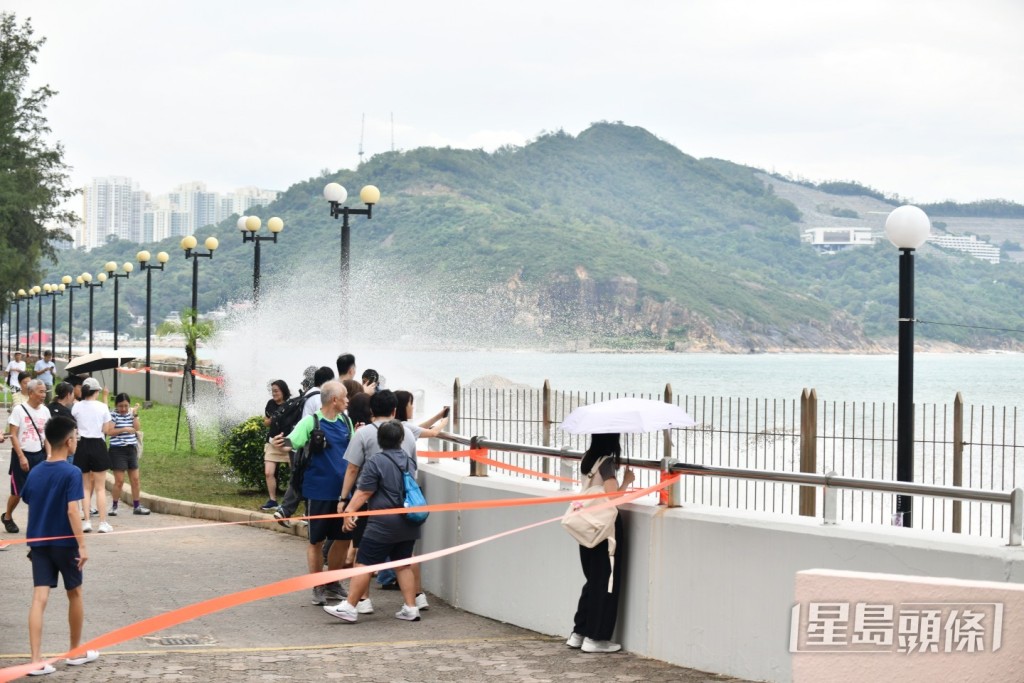
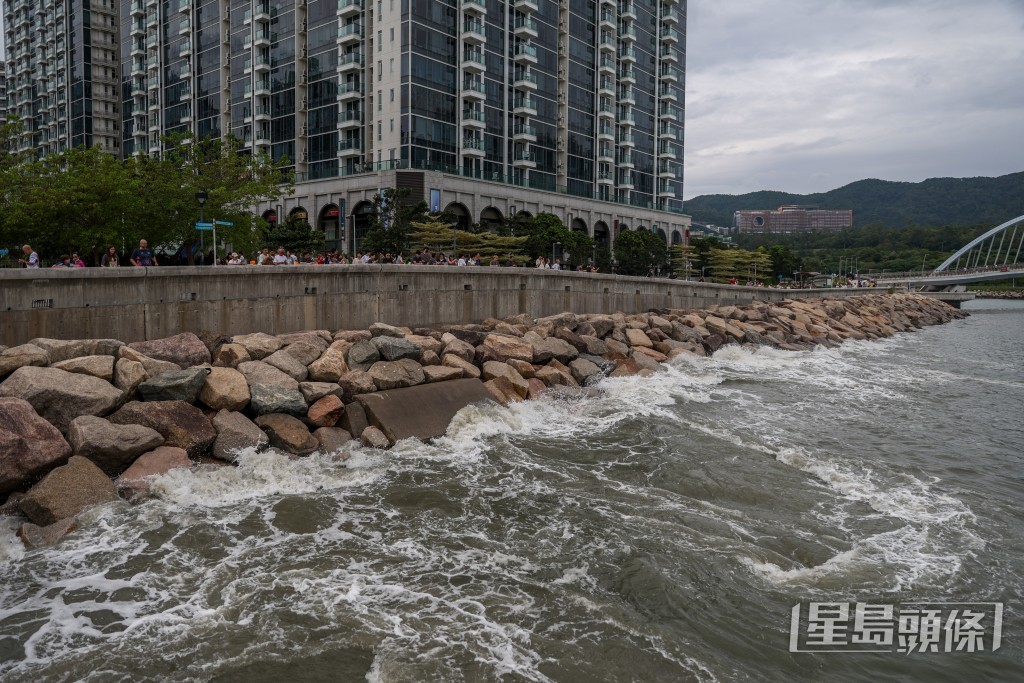
The Hong Kong Federation of Insurers (HKFI) released guidelines outlining the coverage scope of various insurance policies during typhoons, covering home contents, vehicles, employment, and travel.
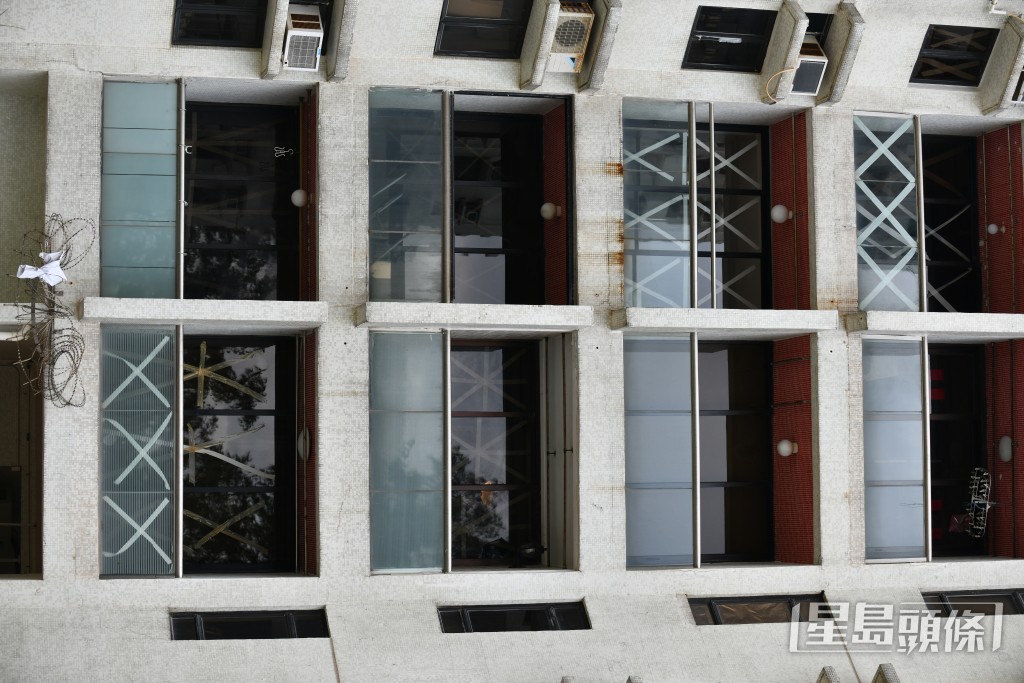
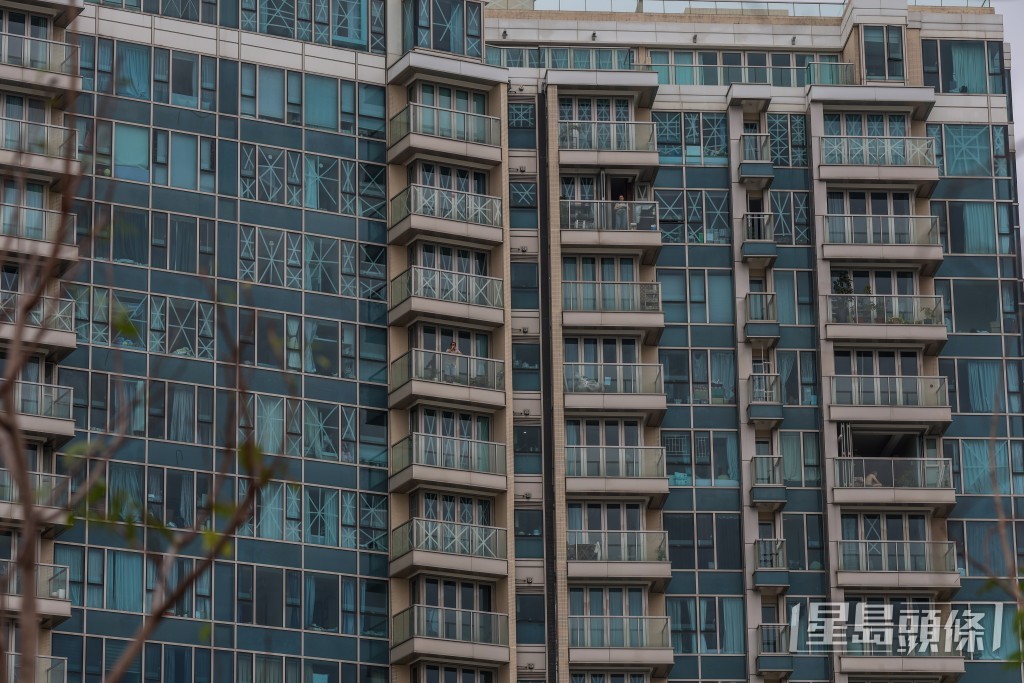
The HKFI specified that self-installed window components damaged by a typhoon are covered under home contents insurance, while damage to original windows, which are part of the building structure, is covered by fire insurance.
Regarding car insurance, the HKFI reminded drivers that only vehicles with Comprehensive Motor Insurance are covered for typhoon damage.
While policies generally remain valid during Typhoon Signal No. 8 or a Black Rainstorm Warning, most clauses require the policyholder to take all reasonable measures to protect the vehicle.
Claims may be rejected if the owner fails this duty of care, such as choosing to drive despite known road dangers or intentionally entering flood-prone areas or zones with a risk of falling trees.
Meanwhile, the HKFI pointed out that a work-related injury will be considered if an employee is injured on a direct route to or from the workplace within a four-hour window of their commute, after being required to work during a Typhoon Signal No. 8 or higher.
In such cases, the employer is responsible for compensation, and the relevant insurance policy will provide coverage under the Employees’ Compensation Ordinance.
The HKFI reminded the public that travel insurance generally does not cover trips disrupted by a typhoon signal hoisted in Hong Kong, such as preventing departure or requiring an early return.
It emphasized that if a policy is purchased after a typhoon has formed and been named, or after the Hong Kong Observatory has issued a warning, any resulting losses will not be compensable.
Most policies only cover itinerary changes such as delays or cancellations caused by natural disasters occurring at the travel destination, it added.