Hong Kong authorities have sounded the alarm about an elaborate new scam that has already robbed one victim of HK$5.5 million.
The sophisticated scheme involves fraudsters impersonating both telecommunications company staff and bank representatives in a carefully orchestrated attack.
The scam begins when victims receive unsolicited calls from individuals claiming to be telecom customer service agents.
These impostors inform recipients that their Greater Bay Area data plan free trial period is ending and that automatic monthly charges will soon commence.
When targets express concern, the fake agents transfer the call to accomplices posing as bank employees who offer to help cancel the supposed subscription.
In a recent case that resulted in substantial losses, the fraudster conducted the entire WhatsApp video call with their camera disabled, leaving the screen completely black.
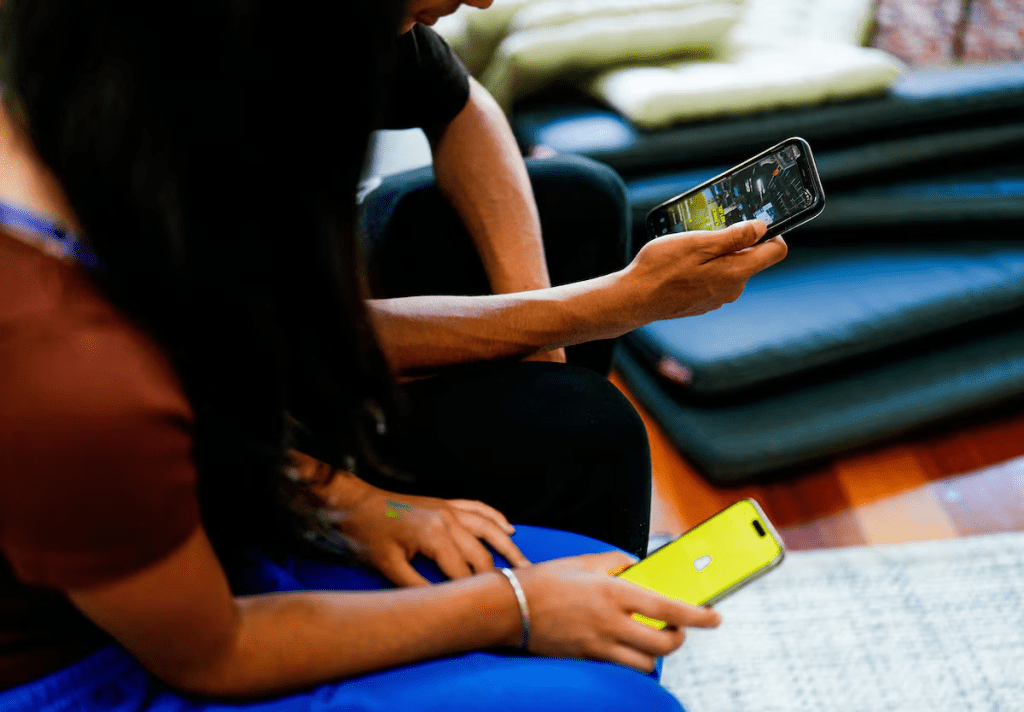
They then instructed the victim to activate screen-sharing functionality and log into their online banking account - giving the criminals a real-time view of the victim's financial information and activities.
Under the guise of assisting with service cancellation, the scammers convinced the victim to disclose one-time passwords and verification codes, ultimately enabling them to transfer out HK$5.5 million.
The Hong Kong Police Force's CyberDefender Facebook page has issued crucial advice to help residents identify and avoid such scams.
They emphasize that legitimate companies will never request sensitive information through unsolicited calls and that genuine bank employees would never ask customers to share security codes or passwords.
Authorities particularly warn against enabling screen-sharing with unknown parties, as this essentially provides fraudsters with complete access to one's device and sensitive data.
Police stress that scammers often use stolen personal details to appear credible, making their claims seem more convincing.
They advise residents to always verify suspicious calls by contacting companies directly using official phone numbers obtained from legitimate websites—never using contact details provided by the caller. The Scameter website and mobile app offer tools to help assess potential scams.