The University of Hong Kong unveiled the world’s first artificial intelligence model for diagnosing thyroid cancer, achieving over 90 percent accuracy and reducing pre-consultation preparation time by half.
Precision management of the disease often relies on the 8th edition of the American Joint Committee on Cancer (AJCC) and American Thyroid Association (ATA) risk classification system to determine cancer stage and risk. However, manually integrating complex clinical information into these systems can be time-consuming and inefficient.
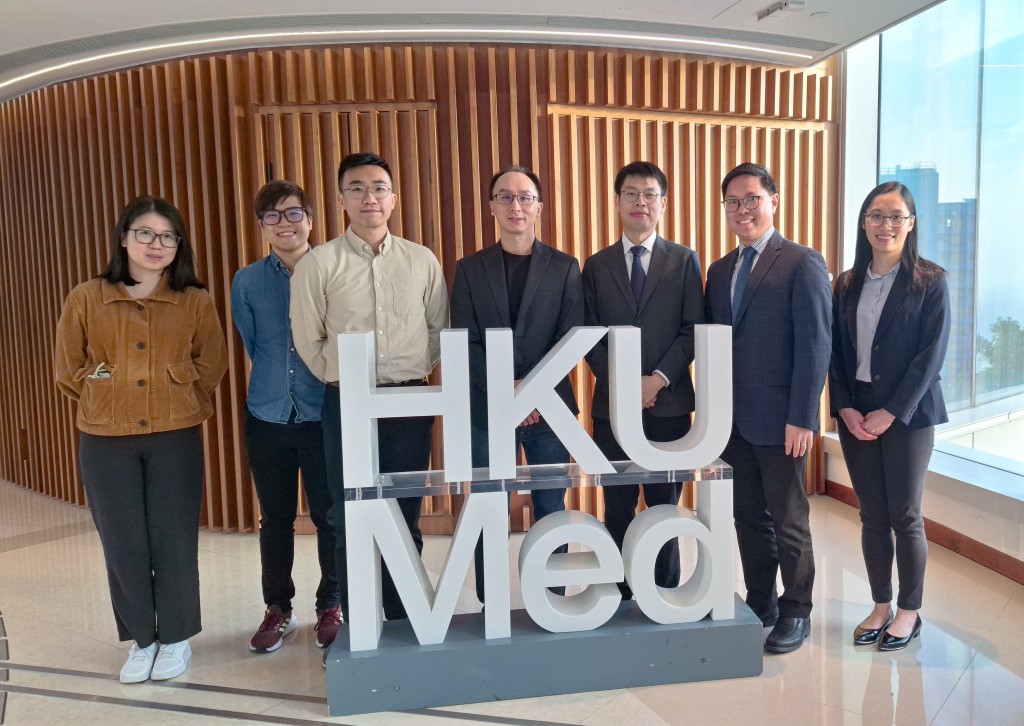
The AI model, developed by HKUMed, the InnoHK Laboratory of Data Discovery for Health (InnoHK D24H) and the London School of Hygiene & Tropical Medicine (LSHTM), leverages four offline open-source large language models -- Mistral (Mistral AI), Llama (Meta), Gemma (Google), and Qwen (Alibaba) -- to analyze free-text clinical documents.
HKUMed stated it was trained with US-based open-access data with pathology reports of 50 thyroid cancer patients from The Cancer Genome Atlas Programme (TCGA).
It was then validated using pathology reports from 289 TCGA patients and 35 pseudo-cases created by endocrine surgeons.
The team noted it achieved an overall accuracy rate of 88.5 percent to 100 percent in ATA risk classification and 92.9 percent to 98.1 percent in AJCC cancer staging.
“Our AI model also dramatically reduces doctors’ preparation time by almost half compared to human interpretation,” said Matrix Fung Man-him, Clinical Assistant Professor and Chief of Endocrine Surgery at HKUMed.
“It could simultaneously provide cancer staging and clinical risk stratification based on two internationally recognized clinical systems,” he said.
“A significant advantage of this model is its offline capability, which would allow local deployment without the need to share or upload sensitive patient information, thereby providing maximum patient privacy,” said Joseph Wu Tsz-kei, Sir Kotewall Professor in Public Health and Managing Director of InnoHK D24H at HKUMed.
Carlos Wong King-ho, Honorary Associate Professor in the Department of Family Medicine and Primary Care at HKUMed, indicated that the team’s next step is to assess the AI assistant’s performance using a large dataset of real-world patient data.
“Once validated, the AI model can be readily deployed in real clinical settings and hospitals to help clinicians improve operational and treatment efficiency,” said Wong.
(Cheng Wong)